
Vibrating Feeder Manufacturers in Indonesia for Grinding Mill Plants
We provide a wide range of mills — including Raymond mill, trapezoidal mill, vertical mill, ultrafine mill, and ball mill, obtained ISO9001 international quality certification, EU CE certification, and Customs Union CU-TR certification. Suitable for processing minerals such as limestone, phosphate, quicklime, kaolin, talc, barite, bentonite, calcium carbonate, dolomite, coal, gypsum, clay, carbon black, slag, cement raw materials, cement clinker, and more.
The discharge range of these mills can be adjusted to meet specific processing needs, typically from 80-400 mesh, 600-3250 mesh, and can achieve the finest particle size of up to 6000 mesh(D50).
If you are looking for a reliable grinding solution to turn stone or minerals into fine powder, please feel free to contact our online customer service.
Vibrating Feeder Manufacturers in Indonesia for Grinding Mill Plants
Indonesia’s rapidly growing industrial sector, particularly in mining, construction, and chemical processing, has created a substantial demand for efficient grinding mill plants. At the heart of these operations lies a critical component often overlooked: the vibrating feeder. This essential equipment ensures a consistent, controlled flow of raw materials into grinding mills, directly impacting productivity, particle size distribution, and overall system stability.
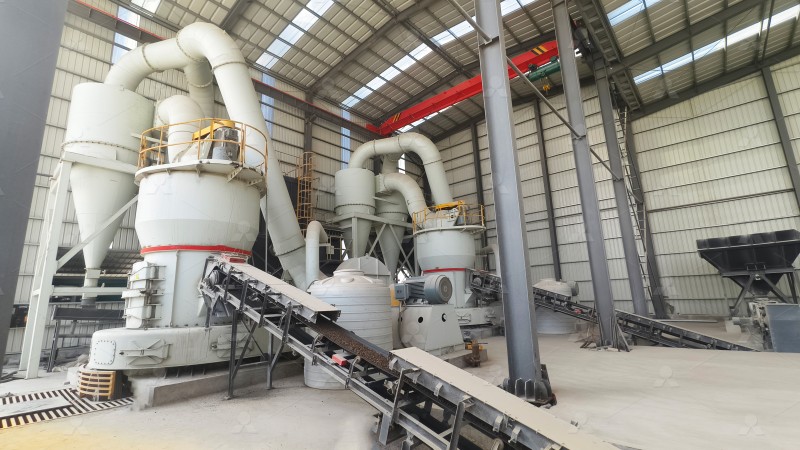
Selecting the right vibrating feeder manufacturer is paramount for plant managers and engineers. A high-quality feeder minimizes material blockages, reduces equipment wear and tear, and optimizes the grinding process. Key considerations include the feeder’s capacity to handle specific material characteristics (abrasiveness, moisture content, lump size), its durability in challenging environments, and its energy efficiency. Indonesian manufacturers and suppliers have risen to this challenge, offering robust solutions tailored to local conditions, from processing limestone for cement to grinding coal for power generation.
Integrating Advanced Grinding Technology
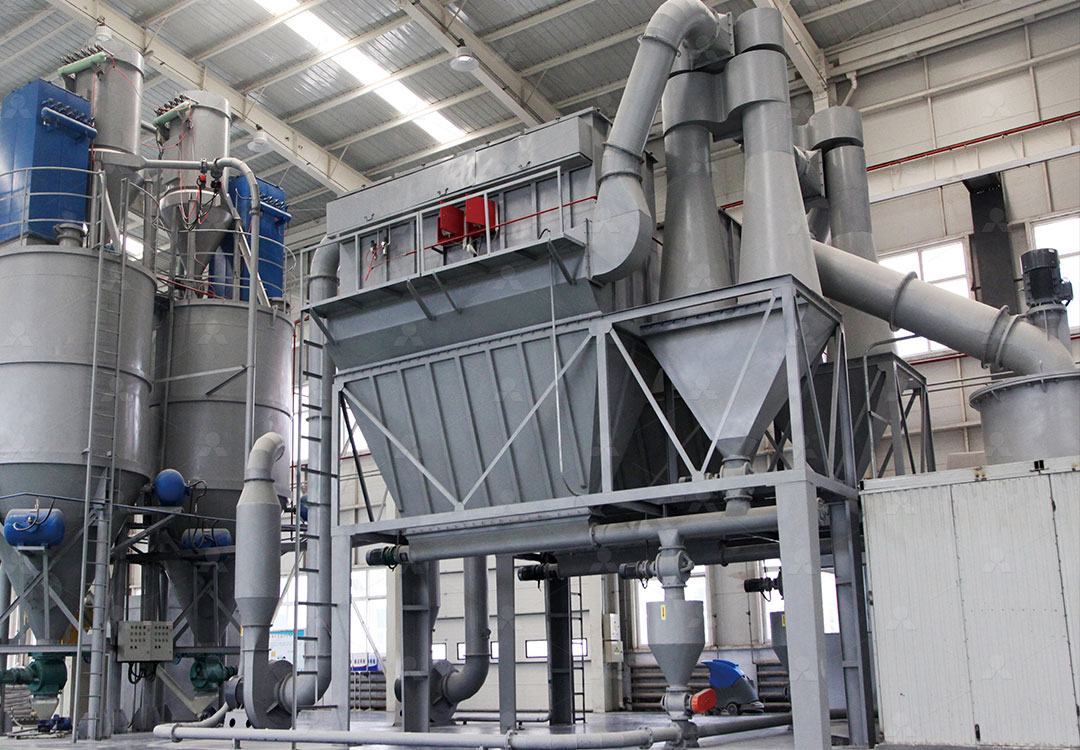
A vibrating feeder’s performance is intrinsically linked to the grinding mill it serves. For operations requiring ultra-fine powders with precision fineness, selecting an advanced mill is crucial. In this context, we highly recommend our MW Ultrafine Grinding Mill. Engineered for customers needing to produce ultra-fine powder between 325-2500 meshes, this mill is a perfect match for a precisely controlled feeding system.
The MW Mill boasts a production capacity of 0.5-25 tph and handles an input size of 0-20 mm. Its innovative design eliminates rolling bearings and screws in the grinding chamber, drastically reducing maintenance worries and the risk of machine damage from loose components. Furthermore, it is equipped with an efficient pulse dust collector and muffler, making the entire production process more environmentally friendly—a significant advantage for modern, responsible operations in Indonesia.
Beyond Feeding: The Complete Milling Solution
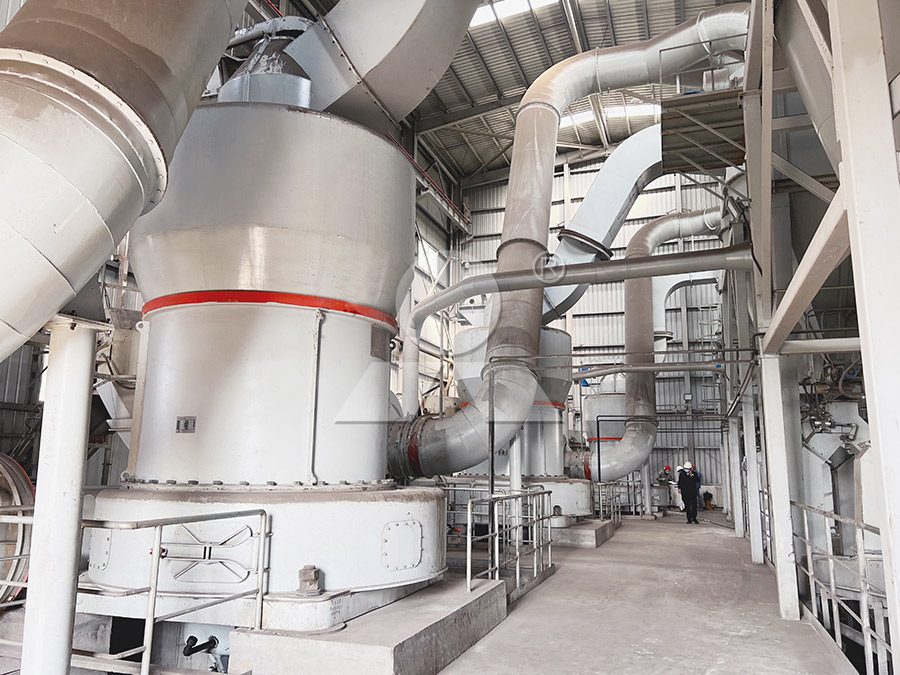
For larger scale operations processing non-metallic minerals, pulverized coal, or slag, a vertical grinding mill often presents a more comprehensive solution. Our LM Vertical Grinding Mill integrates crushing, drying, grinding, classifying, and conveying into a single, compact unit. With a massive capacity range of 3-340 tph and the ability to handle input sizes up to 70 mm, it reduces its footprint by 50% and energy consumption by 30%-40% compared to traditional ball mills.
The LM Vertical Mill’s stable operation, small vibration, and sealed negative-pressure system ensure no dust spillage, aligning perfectly with the feeding system’s goal of creating a clean, efficient, and automated production line. Its short grinding time also minimizes iron content in the final product, ensuring high whiteness and purity for premium applications.
Conclusion
Partnering with a knowledgeable vibrating feeder manufacturer in Indonesia is the first step toward optimizing your grinding circuit. The right feeder ensures your high-capacity grinding mills, like our MW Ultrafine or LM Vertical mills, operate at peak efficiency, maximizing yield and minimizing downtime. Investing in compatible, high-performance technology from a single trusted source guarantees seamless integration and long-term operational success.
Frequently Asked Questions (FAQ)
Why is a vibrating feeder important for a grinding mill plant?
A vibrating feeder provides a consistent and controlled rate of material feed into the grinding mill. This is critical to prevent overloading the mill, ensure optimal grinding efficiency, achieve a uniform product fineness, and protect the mill from damage caused by erratic feed rates.
What materials can the MW Ultrafine Grinding Mill process?
The MW Ultrafine Grinding Mill is highly versatile and suitable for a wide range of materials including limestone, calcite, dolomite, petroleum coal, gypsum, barite, marble, talc, and coal powder. It is also extensively used in the chemical industry for products like paint, cosmetics, medicine, and food additives.
What are the main advantages of the LM Vertical Grinding Mill?
The LM Vertical Grinding Mill offers several key advantages: a 50% smaller footprint than ball mills, 30%-40% lower energy consumption, integration of multiple processes (drying, grinding, classifying), stable and eco-friendly operation with no dust spillage, and lower iron content in the final product due to minimal mechanical wear.
How do I choose the right feeder and mill combination for my operation in Indonesia?
The selection depends on your raw material properties (hardness, moisture, input size), desired production capacity, and required final product fineness. Consulting with a experienced manufacturer who can provide test milling and tailor a complete system, including the compatible feeder and mill, is the most effective approach.