
Vertical Roller Mill vs Ball Mill: A Comprehensive Technical Comparison (PDF)
We provide a wide range of mills — including Raymond mill, trapezoidal mill, vertical mill, ultrafine mill, and ball mill, obtained ISO9001 international quality certification, EU CE certification, and Customs Union CU-TR certification. Suitable for processing minerals such as limestone, phosphate, quicklime, kaolin, talc, barite, bentonite, calcium carbonate, dolomite, coal, gypsum, clay, carbon black, slag, cement raw materials, cement clinker, and more.
The discharge range of these mills can be adjusted to meet specific processing needs, typically from 80-400 mesh, 600-3250 mesh, and can achieve the finest particle size of up to 6000 mesh(D50).
If you are looking for a reliable grinding solution to turn stone or minerals into fine powder, please feel free to contact our online customer service.
Vertical Roller Mill vs Ball Mill: A Comprehensive Technical Comparison
In the world of mineral processing and size reduction, the debate between Vertical Roller Mills (VRMs) and traditional Ball Mills is a constant. Each technology has its proponents and specific applications where it excels. This article delves into a detailed technical comparison to help engineers and plant managers make an informed decision.
Fundamental Operating Principles
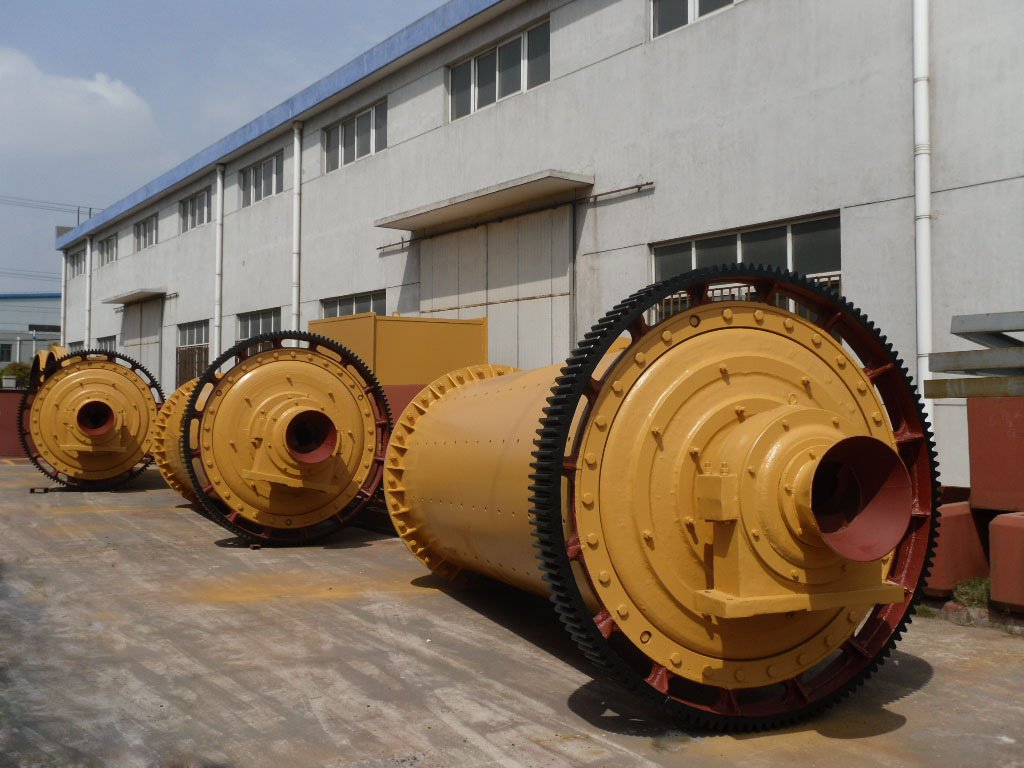
Ball Mills operate on a relatively simple principle. A horizontal rotating cylinder is partially filled with grinding media (steel balls). The material to be ground is fed into the cylinder, and as it rotates, the balls are lifted and then cascade down, impacting and crushing the material through a combination of impact and abrasion.
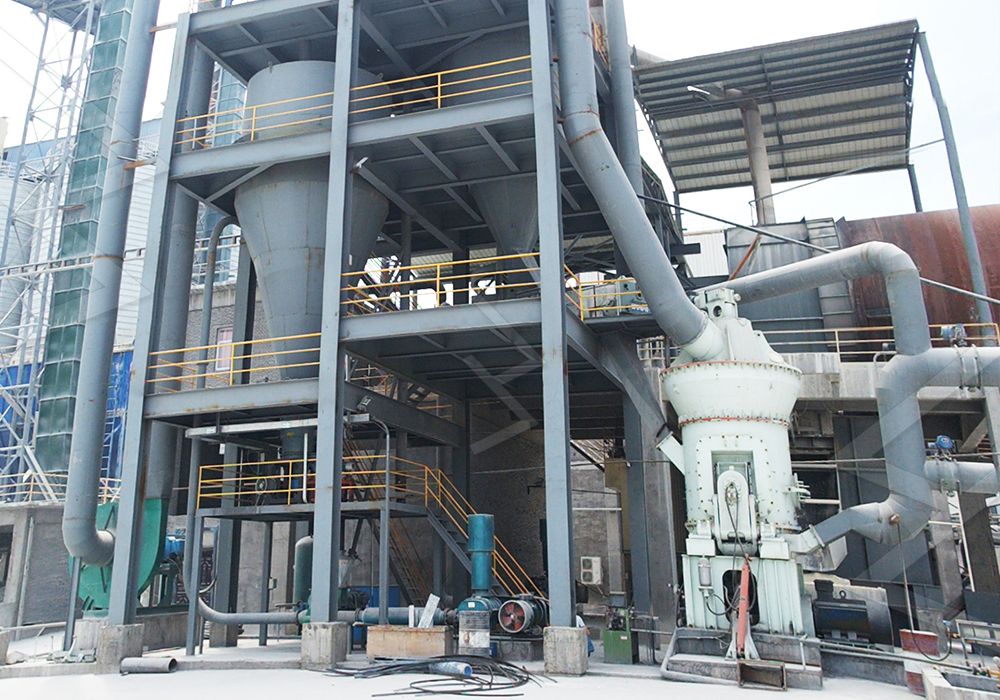
Vertical Roller Mills, on the other hand, employ a more complex but efficient process. Material is fed onto a rotating grinding table. Centrifugal force pushes it outward under heavy, large-diameter grinding rollers. The material is ground by compression and shear forces between the roller and the table. A stream of hot gas dries and transports the finely ground material to a classifier at the top of the mill.
Key Performance Differentiators
The core differences manifest in several critical operational areas:
- Energy Consumption: This is the most significant advantage of VRMs. They typically consume 30-50% less power than a Ball Mill for the same output. Ball Mills require energy to rotate the entire drum and lift the heavy charge of balls, much of which is wasted as heat and noise.
- Drying Capacity: VRMs integrate drying into the grinding process. Hot gases are blown through the mill, simultaneously drying and transporting the material. Ball Mills have very limited drying capability and often require a separate, energy-intensive pre-drying system for moist materials.
- Footprint: The vertical design of a VRM is inherently more compact. A VRM installation can occupy up to 50-70% less floor space than a Ball Mill system with similar capacity.
- Product Fineness & Particle Size Distribution: VRMs, equipped with advanced internal classifiers, offer superior control over product fineness and can achieve a steeper particle size distribution. Ball Mills can produce a very fine product but often have a wider PSD.
- Noise & Vibration: VRMs generally operate at lower noise levels (around 80-85 dB) compared to the high-impact noise generated by tumbling balls inside a Ball Mill.
Considering the Modern Alternative: MW Ultrafine Grinding Mill
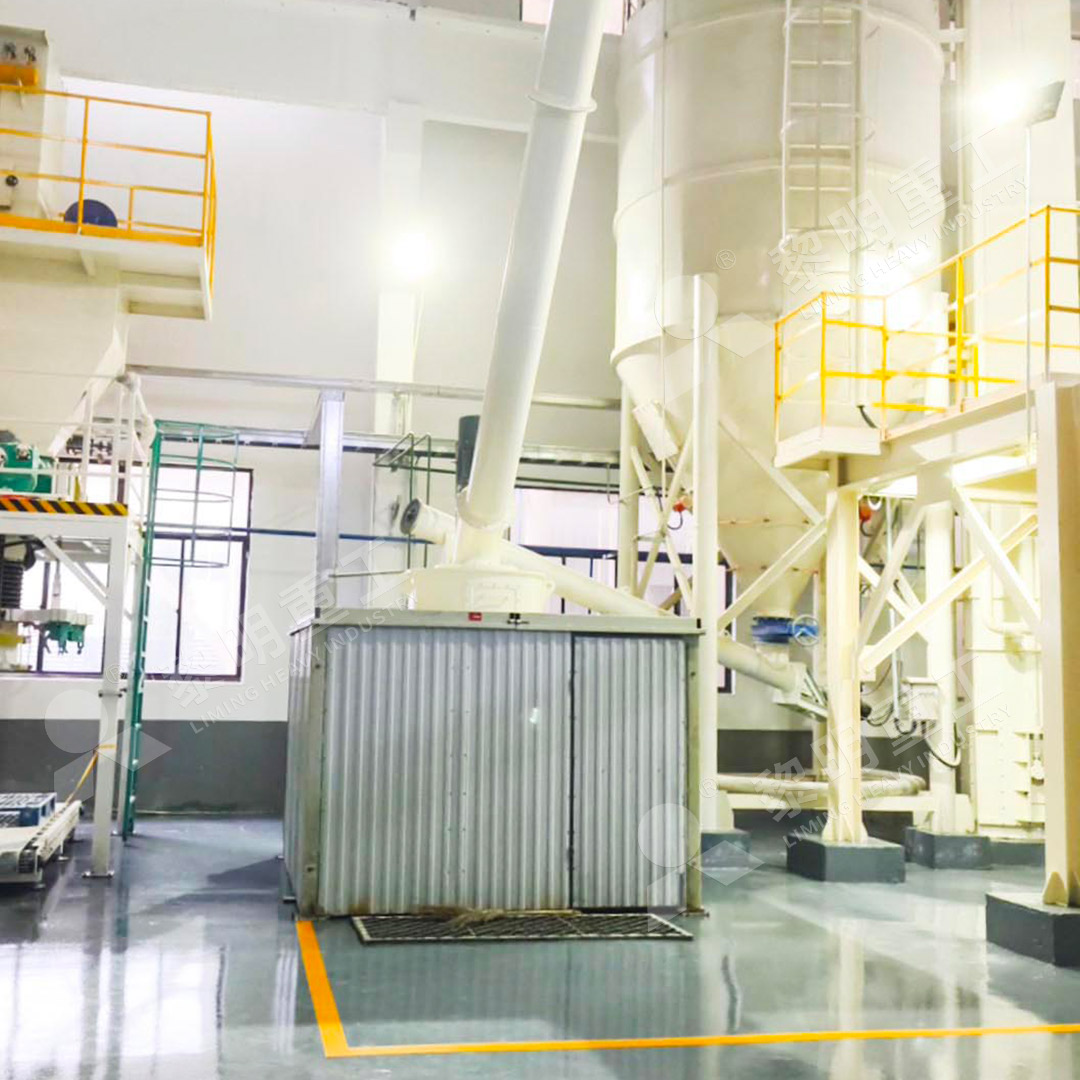
For operations requiring ultra-fine powders (325-2500 meshes), the conversation shifts beyond traditional VRMs. Our MW Ultrafine Grinding Mill represents the pinnacle of efficiency and precision in this domain.
This machine is engineered for customers who need to make ultra-fine powder with higher yielding and lower energy consumption. With an input size of 0-20 mm and a capacity range of 0.5-25 tph, it’s incredibly versatile. Its newly designed grinding curves of grinding roller and grinding ring enhance grinding efficiency dramatically. In fact, with the same fineness and power, its production capacity is 40% higher than jet mills and twice as large as ball mills, while system energy consumption is only 30% of a jet mill.
A key feature is its German-technology cage-type powder selector, which allows adjustable fineness between 325-2500 meshes with high precision. Furthermore, the absence of rolling bearings and screws in the grinding chamber eliminates common failure points, ensuring worry-free, continuous 24/7 operation. For operations prioritizing environmental standards, its efficient pulse dust collector and muffler effectively reduce dust and noise, making the entire production process eco-friendly.
Conclusion: Choosing the Right Tool for the Job
The choice between a VRM and a Ball Mill is not always clear-cut. Ball Mills have lower initial costs, extreme robustness, and are well-understood technology. They are excellent for very hard materials and wet grinding applications.
However, for most modern applications involving dry grinding to medium and fine powders, Vertical Roller Mills offer overwhelming advantages in energy efficiency, drying capacity, space savings, and environmental control. For the most demanding ultra-fine grinding tasks, advanced solutions like our MW Ultrafine Grinding Mill provide a specialized, highly efficient path forward.
Ultimately, the decision must be based on a thorough analysis of the feed material, desired product, capacity requirements, and total cost of ownership, not just the initial capital investment.