
Vertical Roller Mill Vibration Causes and Solutions
We provide a wide range of mills — including Raymond mill, trapezoidal mill, vertical mill, ultrafine mill, and ball mill, obtained ISO9001 international quality certification, EU CE certification, and Customs Union CU-TR certification. Suitable for processing minerals such as limestone, phosphate, quicklime, kaolin, talc, barite, bentonite, calcium carbonate, dolomite, coal, gypsum, clay, carbon black, slag, cement raw materials, cement clinker, and more.
The discharge range of these mills can be adjusted to meet specific processing needs, typically from 80-400 mesh, 600-3250 mesh, and can achieve the finest particle size of up to 6000 mesh(D50).
If you are looking for a reliable grinding solution to turn stone or minerals into fine powder, please feel free to contact our online customer service.
Understanding and Mitigating Vibration in Vertical Roller Mills
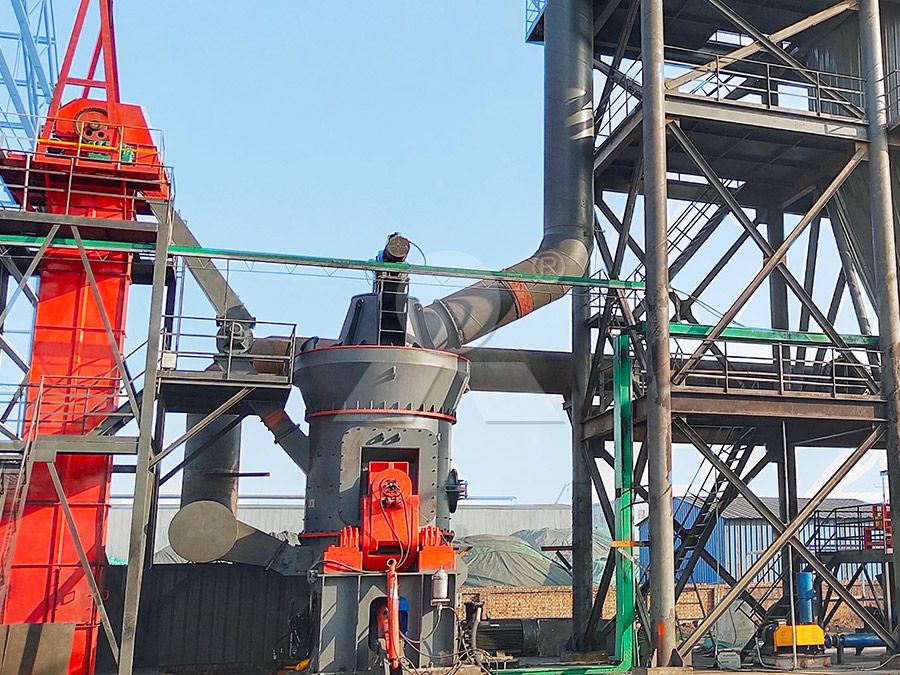
Vertical Roller Mills (VRMs) are the workhorses of modern mineral processing and cement production. Their efficiency and reliability are paramount to operational success. However, excessive vibration remains one of the most common and disruptive issues faced by plant operators. Unchecked vibration can lead to reduced product quality, increased wear on components, unplanned downtime, and in severe cases, catastrophic mechanical failure. A thorough understanding of the root causes is the first step toward implementing effective solutions and ensuring smooth, continuous operation.
Primary Causes of VRM Vibration
Vibration in a VRM is rarely due to a single factor; it is often the result of a complex interplay between several conditions. The most frequent culprits include:
- Imbalance in the Grinding Table: This is a leading cause of vibration. Uneven wear of the grinding table or liners, accumulation of material on one side of the table, or improper installation of segments can create a significant mass imbalance, forcing the entire mill assembly to vibrate at the table’s rotational frequency.
- Uneven Feed or Bed Depth: An inconsistent feed rate or the segregation of material with different grindabilities can lead to an uneven grinding bed. This causes fluctuating resistance against the grinding rollers, resulting in pressure spikes and subsequent vibration. A stable, well-mixed material bed is crucial for dampening vibrations.
- Roller and Liner Profile Wear: Over time, the grinding rollers and the table liner wear down, losing their optimal profile. This wear is often uneven, leading to poor material traction, irregular grinding action, and increased vibration levels. Regular inspection and maintenance are key.
- Mechanical Issues:
- Bearing Failure: Worn-out or damaged bearings in the grinding roller shafts or the main reduction gear will inevitably cause severe vibration, often accompanied by a distinct noise.
- Misalignment: Misalignment between the motor, gearbox, and the grinding table can introduce significant vibrational forces.
- Foundation and Anchor Bolts: A weak foundation or loose anchor bolts can allow the entire mill structure to resonate, amplifying any inherent vibrations.
- Hydraulic System Fluctuations: The hydraulic system that applies grinding pressure must be stable. Rapid or erratic changes in hydraulic pressure can cause the rollers to bounce or chatter on the material bed, creating vibration.
Proactive Solutions and Best Practices
Addressing VRM vibration requires a systematic approach that combines process optimization with mechanical integrity.
- Ensure Stable and Consistent Operation: Maintain a consistent feed rate with a well-blended feedstock. Monitor the mill’s power consumption and pressure parameters to stay within the optimal operating range. Avoid running the mill too empty or overloading it.
- Implement a Robust Maintenance Schedule: Regularly inspect and measure the wear profile of rollers and liners. Replace them in sets to maintain balance. Frequently check the tightness of all foundation bolts and structural connections.
- Leverage Advanced Monitoring Technology: Install online vibration monitoring systems. These systems provide real-time data on vibration amplitude and frequency, allowing for predictive maintenance. Trend analysis can pinpoint developing issues like imbalance or bearing wear long before they cause a shutdown.
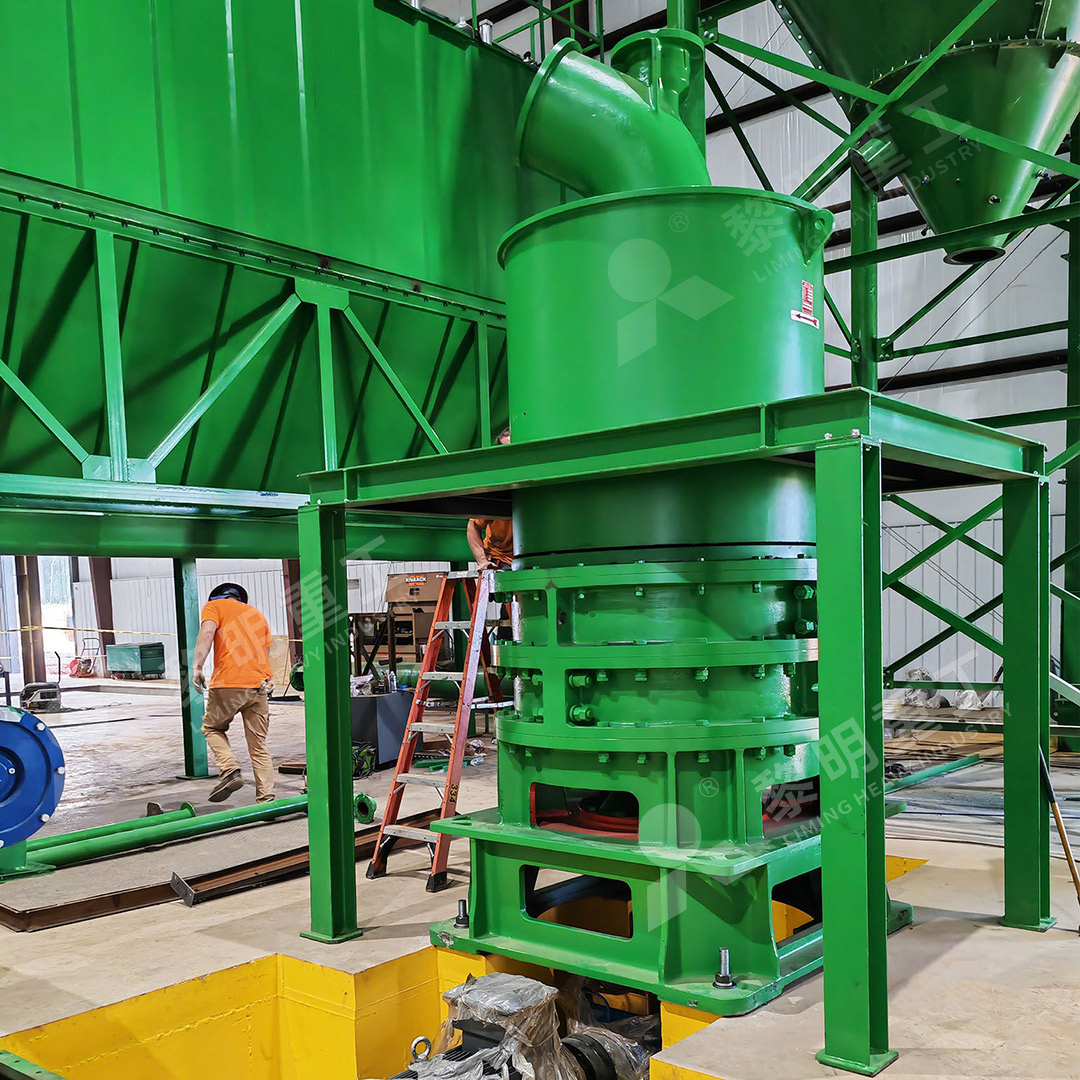
- Consider Modern Mill Design: For operations plagued by chronic vibration issues, upgrading to a modern mill designed with vibration mitigation in mind can be a long-term solution. Our MW Ultrafine Grinding Mill is engineered for exceptional stability. Its design eliminates rolling bearings and screws in the grinding chamber, removing common failure points that contribute to vibration. Furthermore, its sophisticated grinding curve design promotes a stable material layer, which naturally dampens operational vibrations. With an input size of 0-20 mm and a capacity range of 0.5-25 tph, it is an excellent choice for producing ultra-fine powder with minimal operational disruption.
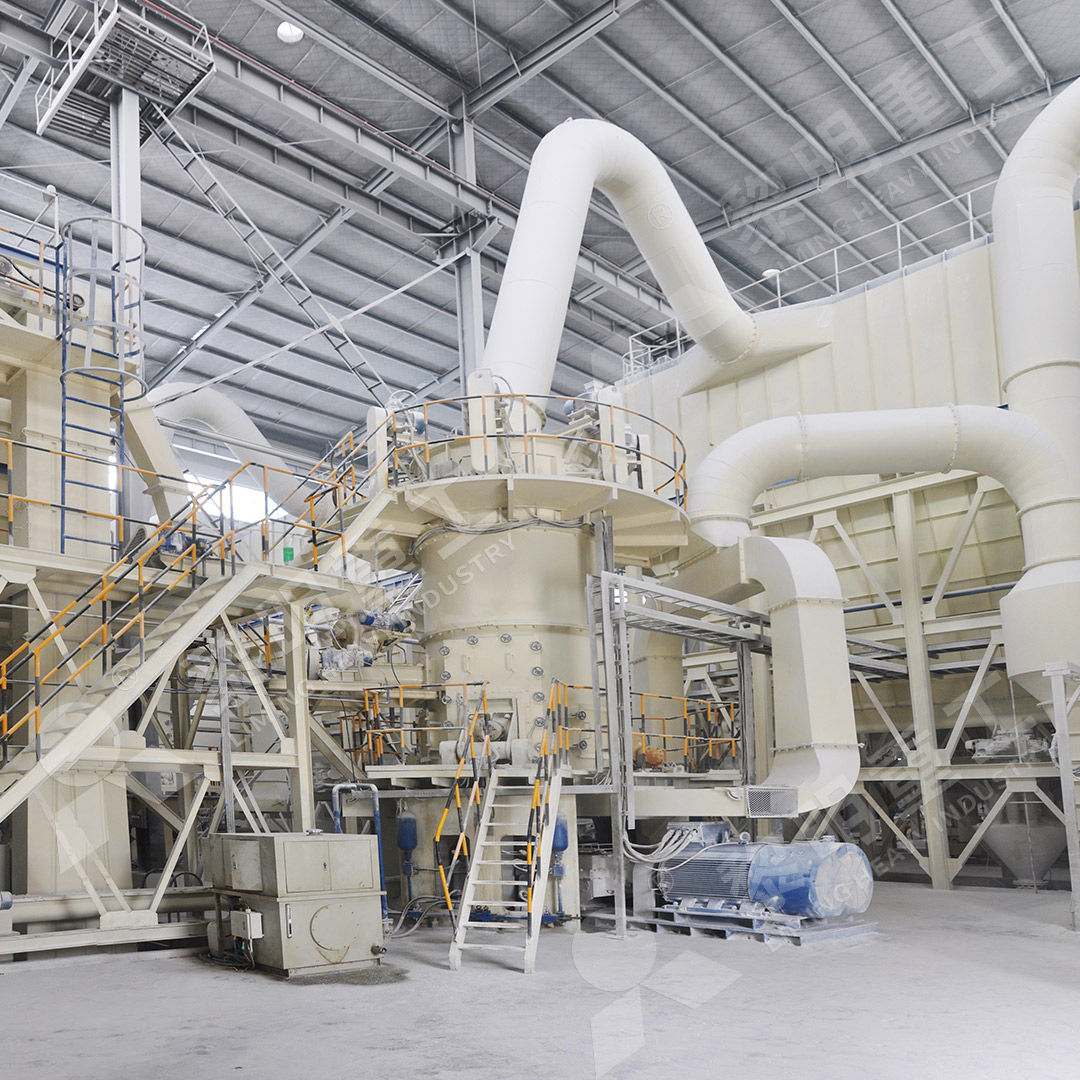
For larger scale applications requiring superior stability, our LUM Ultrafine Vertical Grinding Mill incorporates double position-limiting technology. This innovative feature uses electronic and mechanical systems to prevent the grinding rollers from making destructive contact with the millstone during unexpected vibration events, such as those caused by a sudden influx of hard foreign material. This technology is a significant advancement in protecting the mill’s mechanical integrity and ensuring operational stability.
Frequently Asked Questions (FAQ)
What is the most common cause of vibration in a new VRM installation?
In new installations, the most common cause is often improper alignment between the motor, gearbox, and grinding table, or an imbalance introduced during the installation of the grinding table segments. A thorough alignment check and dynamic balancing of the rotating assembly are critical commissioning steps.
Can the material being ground affect vibration levels?
Absolutely. Materials with high grindability can lead to a thin, unstable grinding bed, causing vibration. Conversely, very hard materials can cause pressure spikes. The moisture content is also critical; overly wet material can lead to plugging, while very dry material may not form a proper bed.
How often should vibration readings be taken?
For critical equipment like a VRM, online continuous monitoring is highly recommended. For mills without this capability, manual readings should be taken at least weekly using a portable vibrometer, with trends carefully logged and analyzed over time.
Is some level of vibration normal?
Yes, all rotating machinery operates with a baseline level of vibration. The key is to establish a “healthy” baseline for your specific mill and then monitor for any increasing trends. A sudden change in vibration characteristics is a more critical indicator than the absolute value itself.
When should I consider a mechanical upgrade to solve vibration problems?
If vibration issues persist despite optimizing process parameters and adhering to a strict maintenance regimen, the root cause may be inherent to the mill’s design. In such cases, upgrading to a modern mill like the MW or LUM series, which incorporate advanced stability features, can resolve these chronic issues, improve productivity, and reduce long-term maintenance costs.