
Vertical Roller Mill Specifications for Coal and Petcoke Grinding
We provide a wide range of mills — including Raymond mill, trapezoidal mill, vertical mill, ultrafine mill, and ball mill, obtained ISO9001 international quality certification, EU CE certification, and Customs Union CU-TR certification. Suitable for processing minerals such as limestone, phosphate, quicklime, kaolin, talc, barite, bentonite, calcium carbonate, dolomite, coal, gypsum, clay, carbon black, slag, cement raw materials, cement clinker, and more.
The discharge range of these mills can be adjusted to meet specific processing needs, typically from 80-400 mesh, 600-3250 mesh, and can achieve the finest particle size of up to 6000 mesh(D50).
If you are looking for a reliable grinding solution to turn stone or minerals into fine powder, please feel free to contact our online customer service.
Vertical Roller Mill Specifications for Coal and Petcoke Grinding
In the realm of industrial grinding, selecting the right equipment for processing coal and petroleum coke (petcoke) is paramount. These materials, known for their abrasive nature and varying moisture content, demand robust, efficient, and precise milling solutions. Vertical Roller Mills (VRMs) have emerged as the technology of choice, offering superior grinding efficiency, lower energy consumption, and a smaller footprint compared to traditional ball mills.
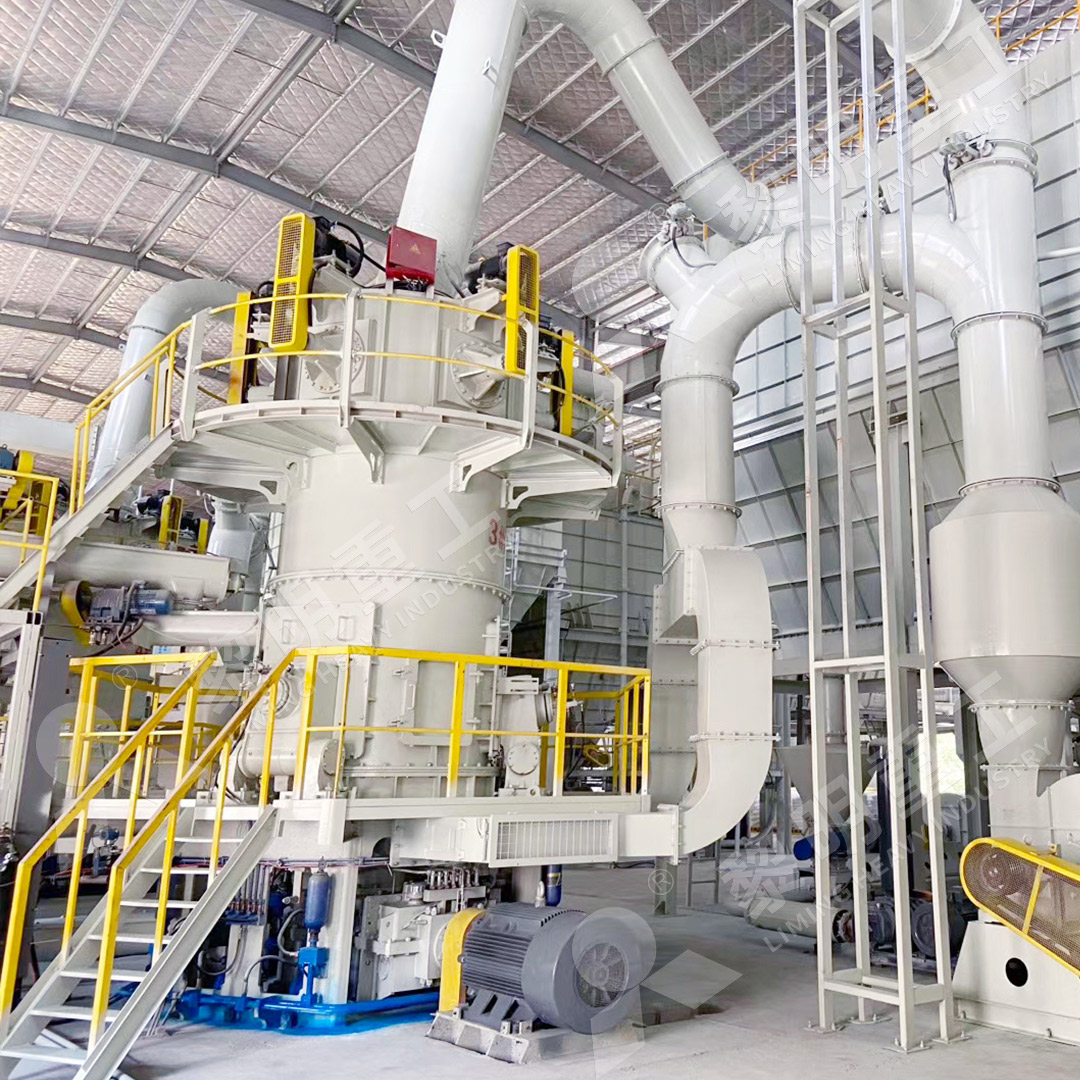 A VRM operates by applying size reduction force through multiple rollers pressing against a rotating grinding table. This mechanism, combined with integrated drying using hot gases, makes it exceptionally suited for coal and petcoke, which often require simultaneous grinding and drying. The ground material is then classified by an internal or external separator, ensuring a consistently fine product suitable for combustion in kilns or boilers.
Key Specifications to Consider
When evaluating a VRM for these applications, several technical specifications are critical:
- Grinding Capacity: Ranging from a few tons per hour (tph) to over 100 tph, depending on the raw material fineness requirements.
- Feed Size: Typically accepts material up to 50-70mm, reducing the need for extensive pre-crushing.
- Power Consumption: VRMs are significantly more energy-efficient, often consuming 30-50% less power than ball milling systems.
- Product Fineness: Capable of achieving very fine powders, often with a fineness of 1-3% residue on a 90-micron sieve for coal.
- Moisture Handling: Effective in grinding materials with moisture content up to 15-20%, utilizing waste heat gases for drying within the mill chamber.
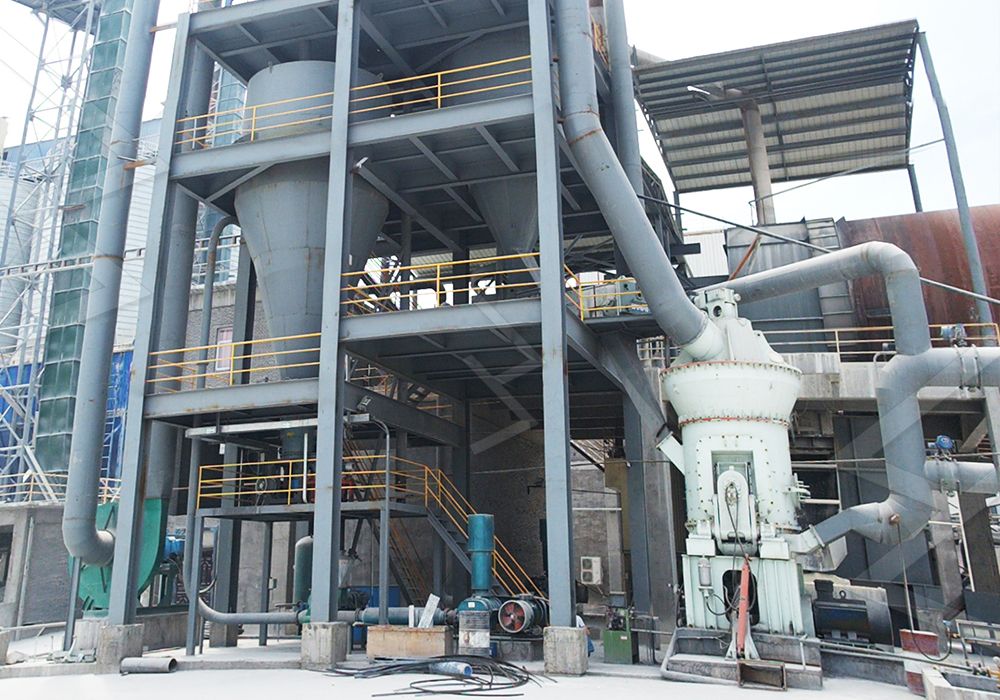 For operations requiring ultra-fine grinding or dealing with very specific fineness demands, specialized mills are necessary. Our MW Ultrafine Grinding Mill is engineered for such precision. With an input size of 0-20 mm and a capacity range of 0.5-25 tph, it is perfectly suited for producing high-purity coal and petcoke powders. Its advanced cage-type powder selector allows for precise fineness adjustment between 325-2500 meshes, ensuring your product meets the most stringent specifications. Furthermore, its unique design without rolling bearings or screws in the grinding chamber eliminates common failure points, enhancing reliability for continuous 24/7 operation.
Optimizing for Performance and Longevity
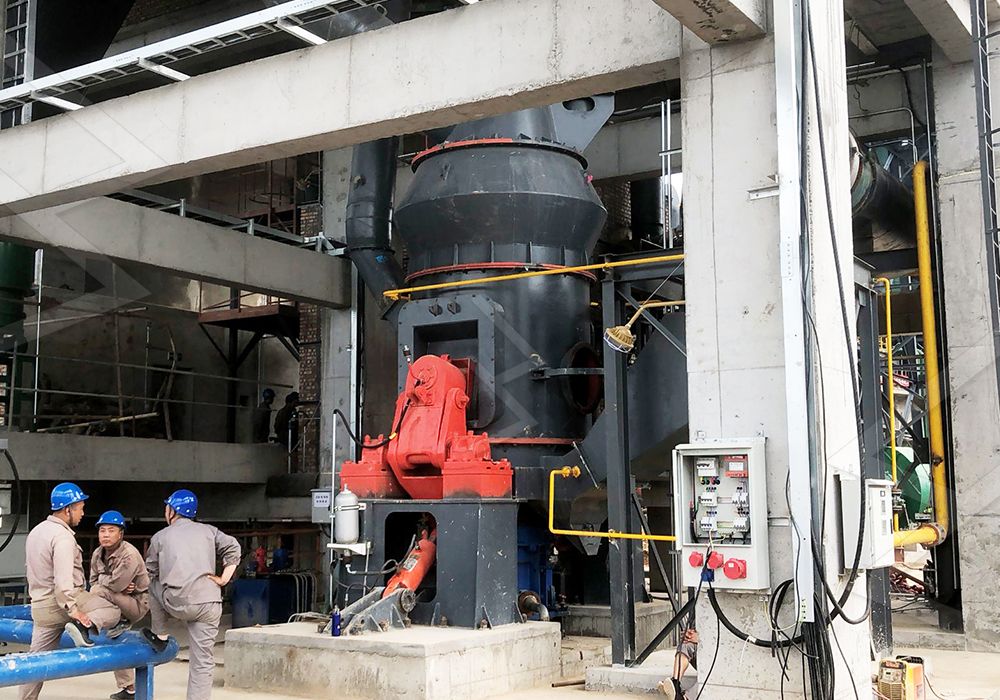
The abrasive nature of petcoke necessitates mills built with durability in mind. Features like wear-resistant alloy grinding rollers and tables, robust construction, and advanced material handling are non-negotiable. Another excellent option from our portfolio is the LM Vertical Coal Mill. Designed for high-capacity applications (5-100 T/H), it integrates crushing, drying, grinding, and conveying into a single, compact unit. Its hydraulic system allows for easy roller maintenance, and its operational stability ensures a consistent, high-quality product with minimal iron contamination, which is crucial for many industrial processes.
Frequently Asked Questions (FAQ)
What is the main advantage of a VRM over a ball mill for coal grinding?
The primary advantages are significantly lower specific energy consumption (30-50% less), a smaller physical footprint, integrated drying capability, and better control over product fineness.
Can VRMs handle high-moisture coal?
Yes, one of the key strengths of VRMs is their ability to dry and grind simultaneously. By introducing hot gases into the mill, they can effectively process coal with moisture content up to 15-20%.
How is product fineness controlled in a VRM?
Fineness is primarily controlled by adjusting the speed of the integral dynamic classifier. Increasing the classifier speed allows only finer particles to leave the grinding chamber, resulting in a finer product.
What maintenance is typical for a coal/petcoke VRM?
The main wear parts are the grinding rollers and the table liner. These are designed for long life with wear-resistant materials. Modern mills feature hydraulic systems that allow rollers to be easily swung out for maintenance, reducing downtime.
Is a VRM suitable for grinding petroleum coke?
Absolutely. VRMs are well-suited for petcoke grinding. Their ability to handle abrasive materials and their efficient grinding mechanism make them ideal for producing petcoke powder for various applications, including anode baking and combustion.