
Vertical Roller Mill Price Guide: Factors, Ranges & Tips
We provide a wide range of mills — including Raymond mill, trapezoidal mill, vertical mill, ultrafine mill, and ball mill, obtained ISO9001 international quality certification, EU CE certification, and Customs Union CU-TR certification. Suitable for processing minerals such as limestone, phosphate, quicklime, kaolin, talc, barite, bentonite, calcium carbonate, dolomite, coal, gypsum, clay, carbon black, slag, cement raw materials, cement clinker, and more.
The discharge range of these mills can be adjusted to meet specific processing needs, typically from 80-400 mesh, 600-3250 mesh, and can achieve the finest particle size of up to 6000 mesh(D50).
If you are looking for a reliable grinding solution to turn stone or minerals into fine powder, please feel free to contact our online customer service.
Vertical Roller Mill Price Guide: Factors, Ranges & Tips
Navigating the world of vertical roller mills can feel like traversing a complex industrial landscape. As a seasoned professional in mineral processing, I’ve seen firsthand how price variations can confuse even experienced buyers. The truth is, understanding what drives these costs is crucial for making an informed investment that delivers long-term value.
When clients ask me about pricing, I always emphasize that the initial purchase price represents just one piece of the total cost puzzle. The real value emerges when you consider operational efficiency, maintenance requirements, and production output over the equipment’s entire lifecycle.
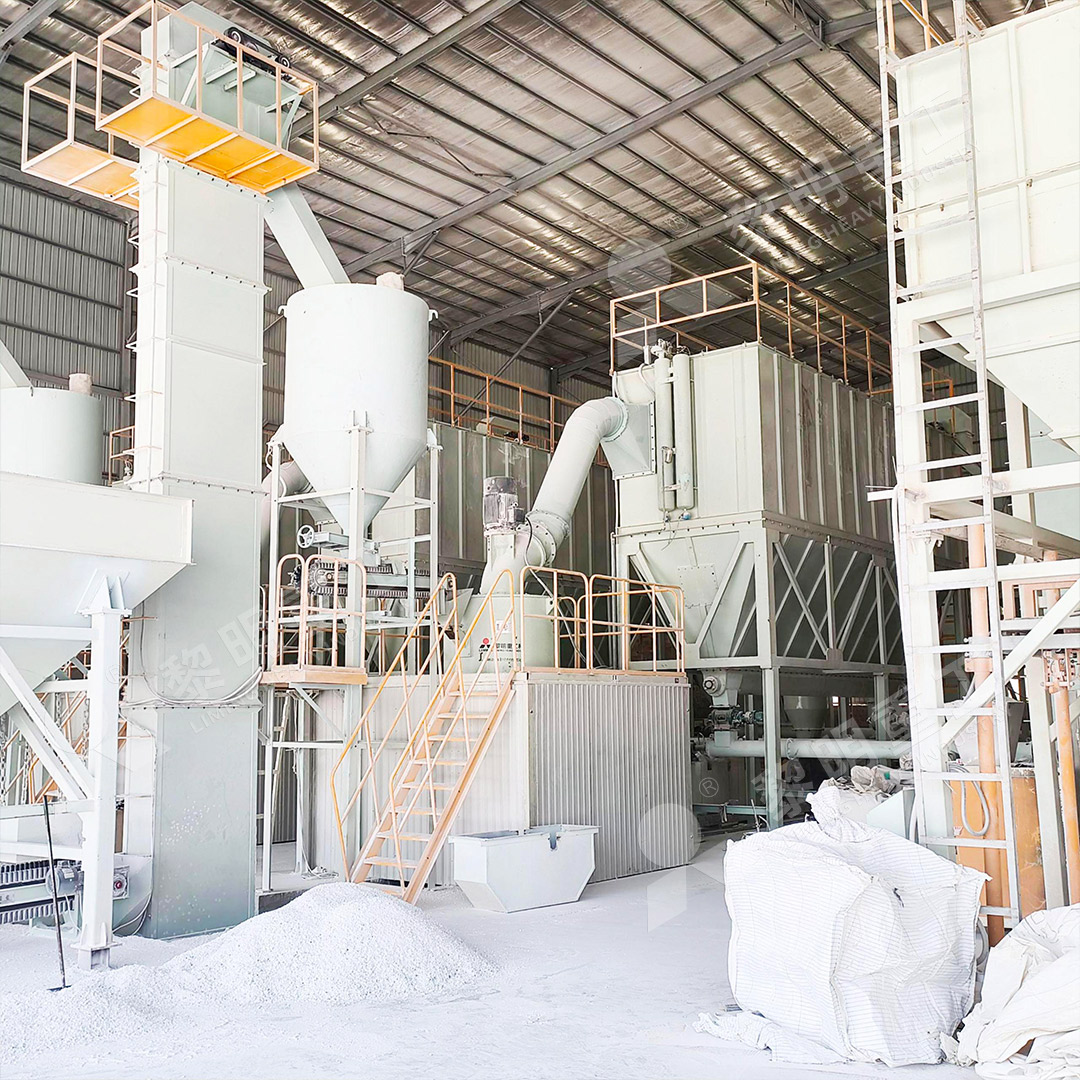
Key Factors Influencing Vertical Roller Mill Pricing
Production Capacity and Output Requirements
The throughput capacity significantly impacts pricing. Mills designed for higher production capacities naturally command higher prices due to larger components, more powerful motors, and robust construction. Consider not just your current needs but potential future expansion when evaluating capacity requirements.
Material Characteristics and Grinding Fineness
The hardness, abrasiveness, and moisture content of your raw materials directly affect mill selection and pricing. Materials requiring ultra-fine grinding (below 10μm) typically need specialized mills with advanced separation technology, increasing costs. For operations demanding precision in the 325-2500 mesh range, our MW Ultrafine Grinding Mill offers exceptional value with its German-designed cage-type powder selector that maintains consistent fineness while reducing energy consumption by up to 30% compared to conventional mills.
Technical Features and Innovation
Advanced features like automated control systems, specialized grinding curves, and innovative roller designs contribute to higher initial costs but deliver substantial operational savings. Mills with external lubrication systems, for instance, eliminate downtime for maintenance and prevent bearing failures—a common pain point in traditional designs.
Environmental Compliance and Dust Control
Modern regulatory requirements have made integrated dust collection and noise reduction systems essential. Equipment with comprehensive environmental protection features, including efficient pulse dust collectors and silencers, may carry a premium but avoids costly retrofitting and potential compliance issues.
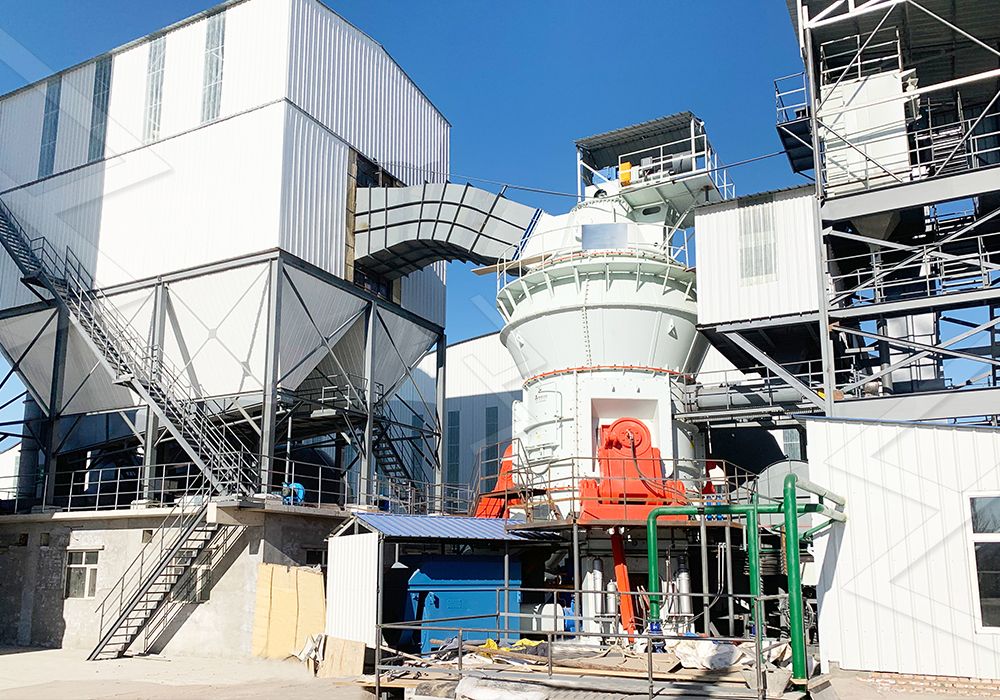
Price Range Expectations
Vertical roller mill prices vary widely based on specifications, but generally fall into these categories:
Entry-Level Systems ($50,000 – $150,000)
Suitable for small-scale operations or pilot plants with capacities under 5 tph. These systems typically handle common materials with standard fineness requirements.
Mid-Range Production Mills ($150,000 – $500,000)
The most common range for established processing facilities requiring capacities between 5-25 tph with advanced features like automated controls and specialized grinding capabilities.
High-Capacity Specialized Systems ($500,000 – $1,500,000+)
For large-scale industrial operations needing capacities exceeding 25 tph, ultra-fine grinding capabilities, or handling highly abrasive materials. These systems incorporate the latest technological innovations for maximum efficiency.
Maximizing Your Investment: Practical Tips
Consider Total Cost of Ownership
Look beyond the initial price tag. A mill costing 20% more upfront but reducing energy consumption by 30% and maintenance by 40% typically pays for itself within 18-24 months. Our LUM Ultrafine Vertical Grinding Mill exemplifies this approach with its double position-limiting technology that prevents destructive impacts and reversible structure that simplifies maintenance—features that dramatically reduce operating costs over time.
Evaluate Supplier Expertise and Support
Choose manufacturers with proven track records in your specific industry. Consider their technical support capabilities, spare parts availability, and installation expertise. A reliable partner can help optimize your milling process and quickly address any operational challenges.
Plan for Future Needs
Select equipment with some capacity headroom and modularity that allows for future upgrades. This approach prevents premature obsolescence and accommodates business growth without requiring complete system replacement.
Frequently Asked Questions
Q: How much does a typical vertical roller mill cost for a medium-sized mineral processing operation?
A: For operations requiring 10-20 tph capacity, expect to invest between $200,000-$400,000, depending on material characteristics, required fineness, and specific features. The MW Ultrafine Grinding Mill typically falls in this range while offering 40% higher production capacity compared to similar-sized jet mills.
Q: What ongoing operational costs should I budget for?
A: Beyond energy consumption (typically the largest operational cost), factor in wear part replacement, preventive maintenance, and potential downtime. Mills with external lubrication systems and reversible roller designs can reduce these costs by up to 50% compared to conventional designs.
Q: How long does installation and commissioning typically take?
A: For standard systems, allow 4-8 weeks from delivery to full operation. Complex installations or those requiring significant infrastructure modifications may require 12-16 weeks. Working with experienced suppliers who provide comprehensive project management can significantly reduce this timeline.
Q: What financing options are typically available?
A: Most reputable manufacturers offer flexible financing arrangements, including equipment leasing, installment plans, and trade-in options for existing machinery. These can help manage cash flow while acquiring the right equipment for your operational needs.