
Vertical Roller Mill Operation Process: Step-by-Step Guide
We provide a wide range of mills — including Raymond mill, trapezoidal mill, vertical mill, ultrafine mill, and ball mill, obtained ISO9001 international quality certification, EU CE certification, and Customs Union CU-TR certification. Suitable for processing minerals such as limestone, phosphate, quicklime, kaolin, talc, barite, bentonite, calcium carbonate, dolomite, coal, gypsum, clay, carbon black, slag, cement raw materials, cement clinker, and more.
The discharge range of these mills can be adjusted to meet specific processing needs, typically from 80-400 mesh, 600-3250 mesh, and can achieve the finest particle size of up to 6000 mesh(D50).
If you are looking for a reliable grinding solution to turn stone or minerals into fine powder, please feel free to contact our online customer service.
Vertical Roller Mill Operation Process: Step-by-Step Guide
Vertical Roller Mills (VRMs) are a cornerstone of modern industrial grinding operations. Their efficiency, reliability, and versatility make them prefered for a wide range of applications, from cement production to power generation and beyond. Understanding the operational process is key to maximizing productivity and ensuring a long equipment lifespan. This guide provides a comprehensive, step-by-step overview of the standard VRM operation procedure.
Step 1: Pre-Operation Checks & Preparation
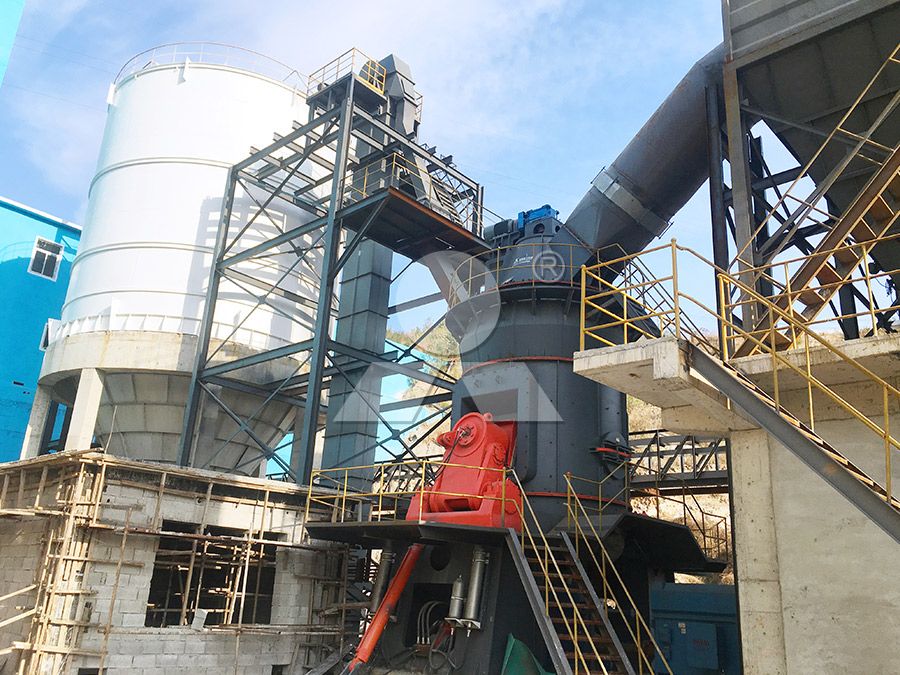
Before initiating startup, a thorough inspection is paramount. This includes checking the lubrication system to ensure all bearings and moving parts are properly lubricated with the correct grade of oil. Inspect the grinding rollers and the table liner for any signs of damage or excessive wear. Verify that all access doors are securely closed and that the hydraulic system pressure is within the specified range. Ensure the external material feeding system, such as the belt conveyor or rotary feeder, is clear and functional.
Step 2: System Startup Sequence
The startup sequence must be followed meticulously to avoid damaging the mill. The correct order is typically:
1. Start the product discharge system (e.g., screw conveyors, bucket elevator).
2. Start the main baghouse dust collector fan to establish negative pressure within the mill.
3. Start the main mill motor.
4. Start the raw material feed system gradually. Begin with a low feed rate to allow the grinding bed to form properly on the grinding table.
Step 3: The Grinding Process
As material is fed onto the center of the rotating grinding table, centrifugal force throws it outward under the rollers. The rollers, hydraulically pressed against the material bed, exert immense pressure to crush and grind the feed. The ground material is then carried by the incoming process gas (air or hot gas for drying) over the dam ring and up into the integral classifier.
Step 4: Classification & Product Collection
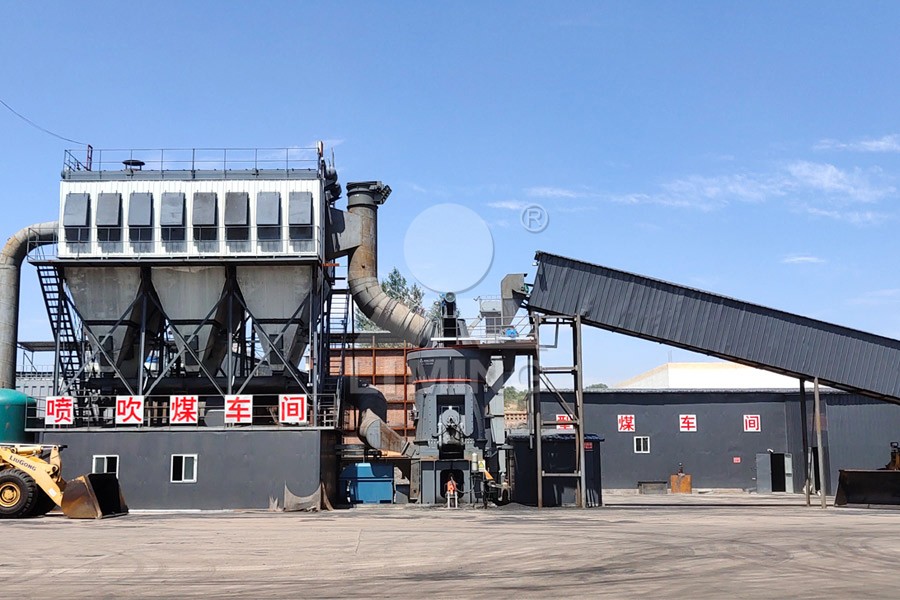
The classifier is a critical component. It uses rotating blades or a cage to create a centrifugal force field. Coarse particles are rejected and fall back onto the grinding table for further size reduction. The finely ground product, carried by the gas stream, exits the mill housing and enters the product collection cyclones or a baghouse. Here, the powder is separated from the gas stream and collected for storage or further processing. The cleaned gas is often recirculated back to the mill fan.
Step 5: Operational Monitoring & Adjustment
Constant monitoring is essential for stable operation. Key parameters to watch include:
– Mill Motor Power: Indicates the grinding effort and bed depth.
– Mill Differential Pressure: Reflects the load in the mill and airflow resistance.
– Bearing Temperatures: Must remain within safe limits.
– Product Fineness: Regularly checked via sieve analysis or laser particle analysis.
Adjustments to the feed rate, grinding pressure, classifier speed, and gas flow are made to maintain the desired product quality and output.
Step 6: System Shutdown
The shutdown sequence is essentially the reverse of startup. First, stop the raw material feed. Continue running the mill for several minutes to grind and clear most of the remaining material from the grinding table. Then, stop the main mill motor. Allow the dust collector fan to continue running for a set period to cool the system and remove any lingering dust before finally shutting it down.
Choosing the Right Mill for Your Application
Selecting the appropriate mill is crucial for achieving optimal results. For operations requiring ultra-fine powders with high precision, our MW Ultrafine Grinding Mill is an exceptional choice. Designed for customers who need to make ultra-fine powder, it boasts several advanced features. It offers higher yielding and lower energy consumption, with a production capacity 40% higher than jet mills. Its cage-type powder selector allows for adjustable fineness between 325-2500 meshes with high precision. A key design advantage is that there are no rolling bearings or screws in the grinding chamber, eliminating concerns about bearing damage or loose screws causing failure. Furthermore, its efficient pulse dust collector and muffler make the entire production process more eco-friendly, reducing both dust and noise pollution.
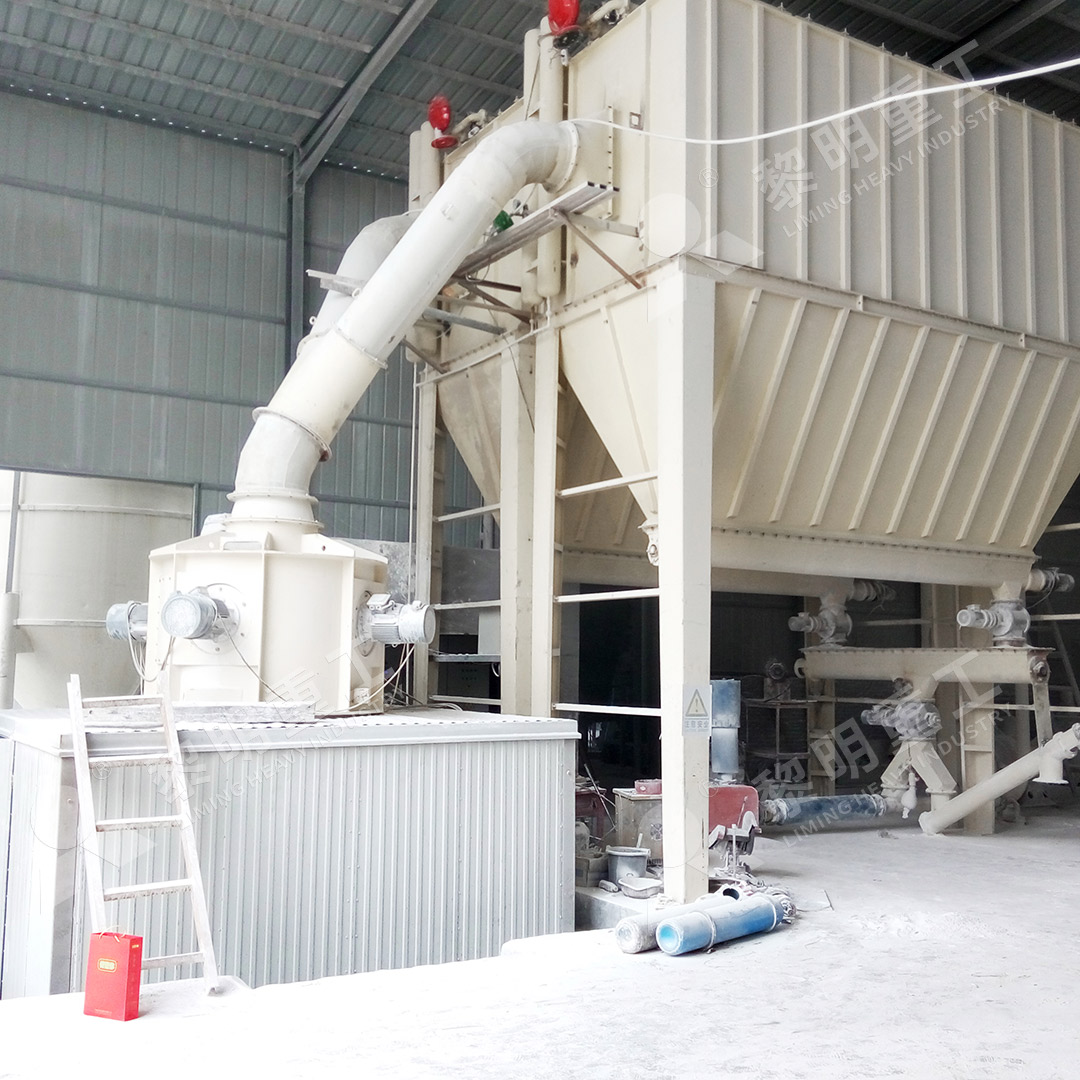
For another robust option, consider the LUM Ultrafine Vertical Grinding Mill. It integrates ultrafine powder grinding, grading, and transporting, and features advanced roller and powder separating technology for higher yield rates and better product quality. Its reversible structure makes maintenance significantly easier and faster.
Conclusion
Mastering the vertical roller mill operation process—from meticulous pre-checks to controlled shutdown—is fundamental to efficient and trouble-free grinding. By understanding each step and carefully monitoring key parameters, operators can ensure maximum productivity, product quality, and equipment longevity. Investing in the right technology, like our MW or LUM series mills, provides a solid foundation for success in any fine grinding application.