Vertical Roller Mill in Cement Plant: Operational Principles and Benefits
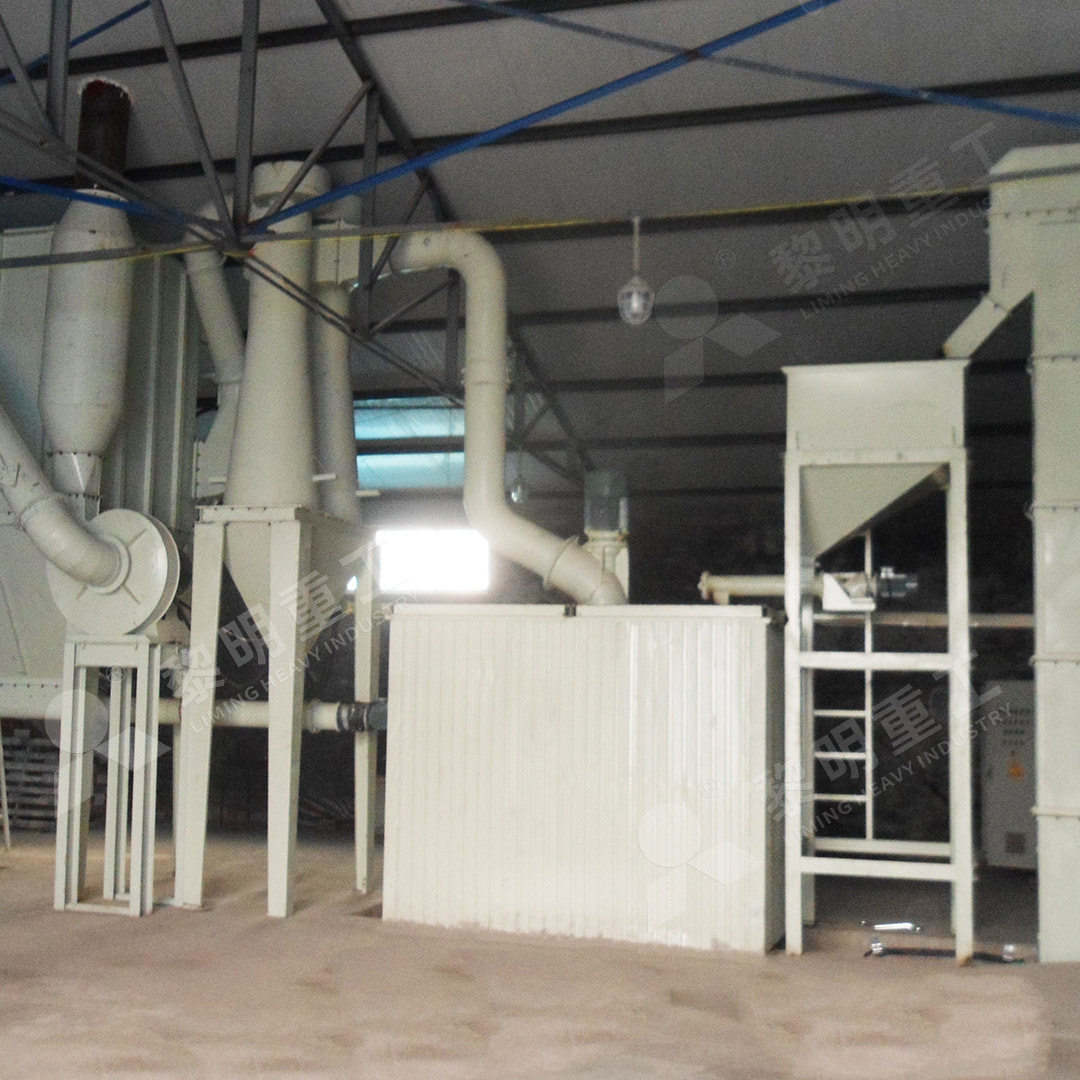
We provide a wide range of mills — including Raymond mill, trapezoidal mill, vertical mill, ultrafine mill, and ball mill, obtained ISO9001 international quality certification, EU CE certification, and Customs Union CU-TR certification. Suitable for processing minerals such as limestone, phosphate, quicklime, kaolin, talc, barite, bentonite, calcium carbonate, dolomite, coal, gypsum, clay, carbon black, slag, cement raw materials, cement clinker, and more.
The discharge range of these mills can be adjusted to meet specific processing needs, typically from 80-400 mesh, 600-3250 mesh, and can achieve the finest particle size of up to 6000 mesh(D50).
If you are looking for a reliable grinding solution to turn stone or minerals into fine powder, please feel free to contact our online customer service.
Vertical Roller Mill in Cement Plant: Operational Principles and Benefits
In the modern cement manufacturing landscape, efficiency, sustainability, and cost-effectiveness are paramount. The Vertical Roller Mill (VRM) has emerged as a pivotal piece of equipment, fundamentally transforming raw material and cement clinker grinding processes. Its design and operational philosophy offer a significant leap forward from traditional ball mills.
Core Operational Principles
A Vertical Roller Mill operates on a relatively straightforward yet highly efficient principle. The central component is a large, rotating grinding table. Raw materials are fed onto the center of this table. Centrifugal force generated by the table’s rotation throws the material outward under the path of heavy, hydraulically pressurized grinding rollers.
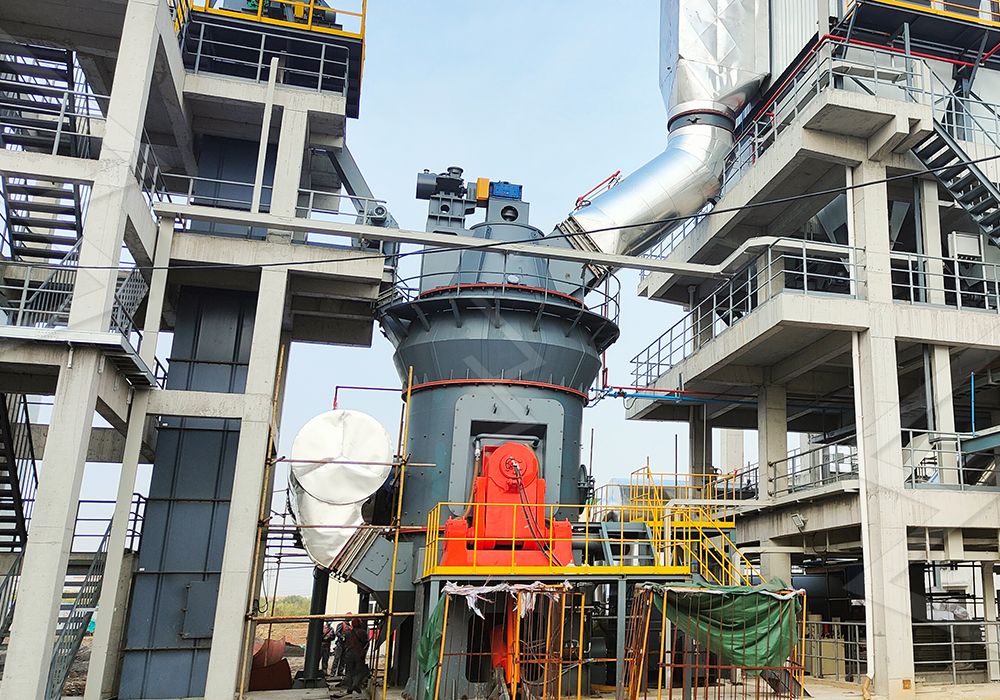
These rollers crush and grind the material against the table. The ground material, now a fine powder, is carried by a stream of hot gas (often from the preheater tower) upwards into a high-efficiency classifier integrated into the top of the mill. This dynamic separator acts like a cyclone, spinning and separating the particles. Coarse particles are rejected and fall back onto the grinding table for further size reduction, while the perfectly sized, fine product is carried by the gas stream to the product collection cyclones and baghouse.
Key Advantages Over Traditional Milling
The benefits of adopting VRM technology are substantial and multifaceted:
- Superior Energy Efficiency: VRMs consume 30-50% less energy than a ball mill for the same task. This is because grinding is a direct application of force to the material bed, minimizing energy losses common in the tumbling action of a ball mill.
- Excellent Drying Capacity: The internal hot gas flow allows for simultaneous grinding and drying of materials with moisture content up to 15-20%, eliminating the need for a separate dryer.
- Compact Plant Footprint: Their vertical design gives them a significantly smaller footprint compared to the lengthy horizontal ball mills, saving valuable plant space.
- Reduced Noise Pollution: Operating noise levels are considerably lower, creating a better working environment.
- Enhanced Process Control: Modern VRMs are equipped with advanced PLC systems, allowing for precise control over grinding pressure, roller speed, and classifier settings to quickly adapt to different product fineness requirements.
Pushing the Boundaries: The MW Ultrafine Grinding Mill
For applications demanding even finer products or processing of a wider range of materials like limestone, calcite, or barite for specialty cements or additives, conventional VRMs can be pushed to their limits. This is where advanced, specialized mills truly shine.
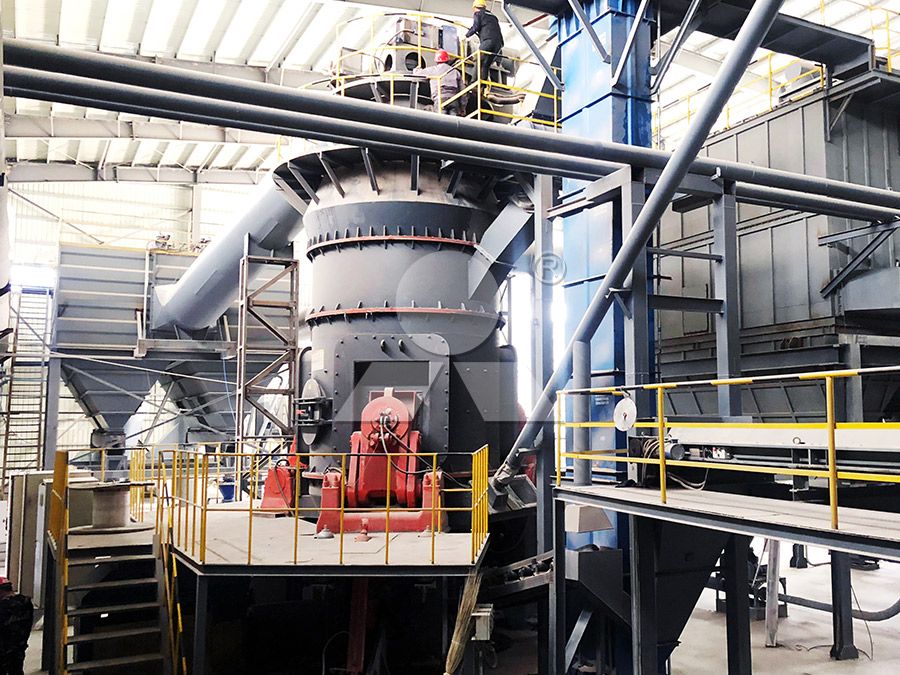
Our MW Ultrafine Grinding Mill is engineered for these challenges. Designed for customers requiring ultra-fine powder between 325-2500 meshes, it incorporates several innovative features. Its cage-type powder selector, leveraging German technology, ensures exceptional precision in particle separation. A significant design advantage is the absence of rolling bearings and screws within the grinding chamber, eliminating common failure points and enabling external lubrication without shutdown for true 24/7 operation. Furthermore, its integrated efficient pulse dust collector and muffler system ensure the entire milling process is environmentally compliant, with minimal dust and noise pollution. With an input size of 0-20 mm and a capacity range of 0.5-25 tph, it offers remarkable flexibility and efficiency for specialized grinding needs.
Conclusion
The integration of Vertical Roller Mills is no longer an option but a necessity for cement plants aiming for lower operating costs, reduced environmental impact, and greater production flexibility. The technology represents a perfect synergy of mechanical innovation and process efficiency. For operations looking to upgrade their grinding circuit or venture into high-value fine powder production, exploring advanced solutions like our MW series is a logical and profitable step forward.