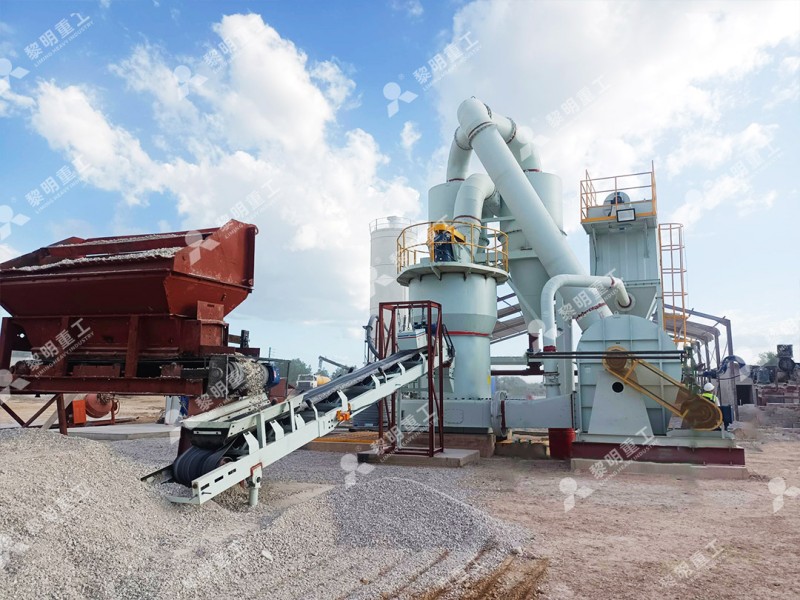
Vertical Roller Mill for Cement Grinding in Indonesia: Cost and Benefits
We provide a wide range of mills — including Raymond mill, trapezoidal mill, vertical mill, ultrafine mill, and ball mill, obtained ISO9001 international quality certification, EU CE certification, and Customs Union CU-TR certification. Suitable for processing minerals such as limestone, phosphate, quicklime, kaolin, talc, barite, bentonite, calcium carbonate, dolomite, coal, gypsum, clay, carbon black, slag, cement raw materials, cement clinker, and more.
The discharge range of these mills can be adjusted to meet specific processing needs, typically from 80-400 mesh, 600-3250 mesh, and can achieve the finest particle size of up to 6000 mesh(D50).
If you are looking for a reliable grinding solution to turn stone or minerals into fine powder, please feel free to contact our online customer service.
Vertical Roller Mill for Cement Grinding in Indonesia: Cost and Benefits
The Indonesian cement industry is experiencing robust growth, driven by infrastructure development and urbanization. In this competitive landscape, optimizing grinding operations is crucial for profitability and sustainability. Vertical Roller Mills (VRMs) have emerged as the technology of choice for modern cement plants, offering significant advantages over traditional ball mills. For Indonesian producers, understanding the cost structure and benefits of VRMs is key to making informed investment decisions.
Why Vertical Roller Mills?
VRMs integrate crushing, grinding, drying, classification, and conveying into a single compact unit. This integrated approach slashes energy consumption by 30-40% compared to ball mills, a critical factor in a country where energy costs can be volatile. The footprint of a VRM system is also about 50% smaller, reducing construction and land costs – a significant advantage in crowded industrial areas.
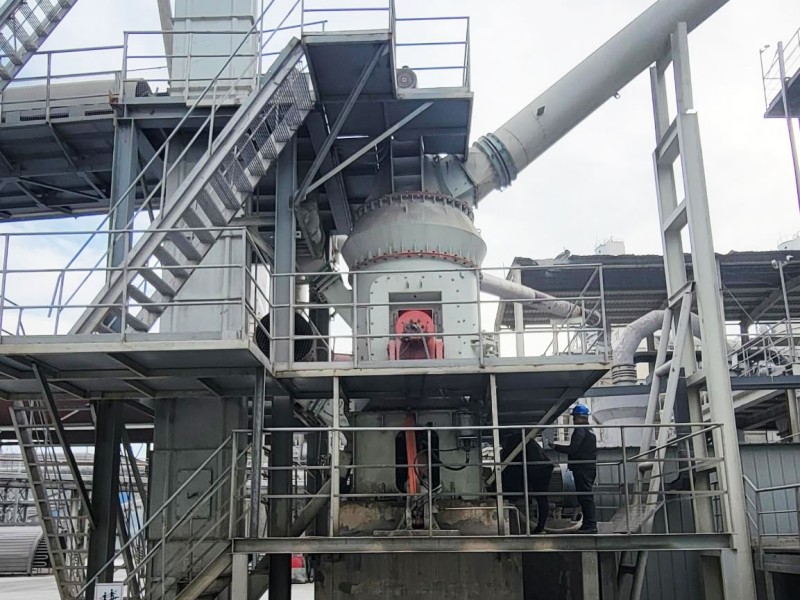
For Indonesian-specific conditions, such as high humidity, the built-in drying capability of VRMs is a major benefit. They can effectively handle raw materials with moisture content up to 20% using waste heat from the kiln, eliminating the need for separate drying equipment and further reducing operational expenses.
Analyzing the Cost Structure
The initial investment in a VRM is generally higher than a traditional ball mill. However, the Total Cost of Ownership (TCO) tells a different story. The dramatic reduction in power consumption leads to substantial savings on electricity bills. Wear part costs are also lower due to the more efficient grinding principle and the availability of high-quality, wear-resistant alloys for rollers and tables.
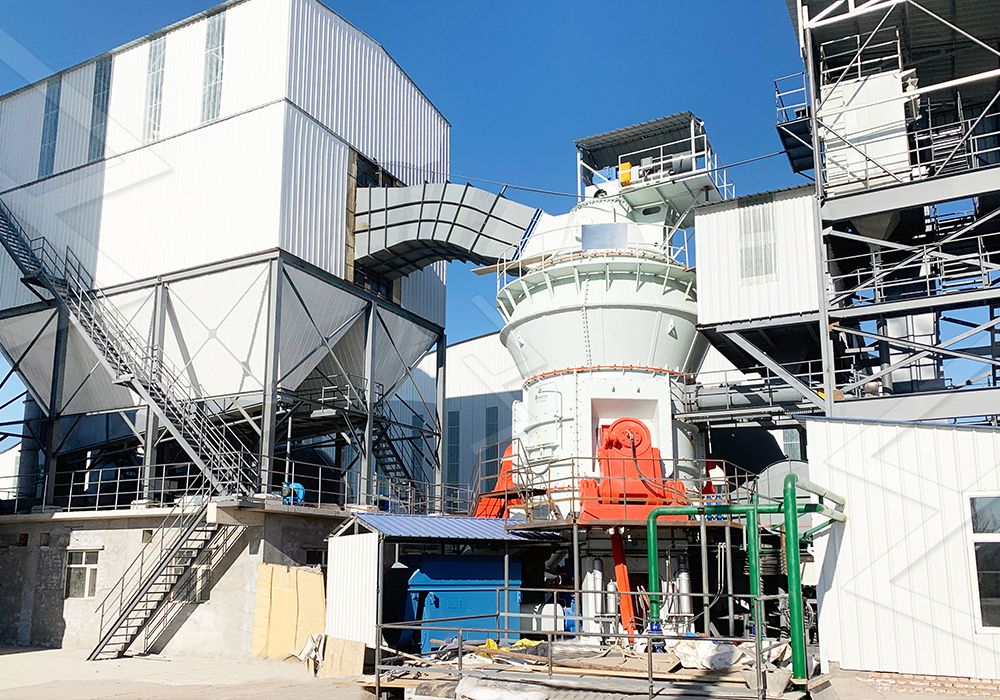
Maintenance is simplified. For instance, our LM Vertical Grinding Mill is designed for easy access and maintenance. Its modular design allows for quick replacement of wear parts, minimizing downtime. With a capacity range of 3-340 tph and the ability to handle feed sizes up to 70mm, it’s a versatile and robust solution for large-scale cement production across the Indonesian archipelago.
Beyond Cost: Operational and Environmental Benefits
The benefits extend beyond mere cost savings. VRMs produce a product with a narrower particle size distribution and superior particle shape, enhancing cement quality and strength. The operating noise level is significantly lower, improving working conditions.
Environmental compliance is increasingly important. VRMs operate under negative pressure, preventing dust emissions. Furthermore, for producers looking to grind slag or other supplementary cementitious materials (SCMs), a specialized mill like our LUM Ultrafine Vertical Grinding Mill is ideal. It produces high-quality ultrafine powders (fineness adjustable between 325-2500 meshes) with higher yielding rate and better product cleanliness, perfect for value-added products.
Conclusion
For cement producers in Indonesia, the shift to Vertical Roller Mill technology is not just a trend but a strategic move towards greater efficiency, lower production costs, and improved environmental performance. The higher initial investment is quickly offset by dramatic energy savings, lower maintenance costs, and superior product quality. By choosing a reliable supplier with a strong local presence and proven technology like our LM and LUM series mills, Indonesian cement plants can secure a competitive edge in a growing market.