
Vertical Roller Mill for Blast Furnace Slag Grinding: Efficiency and Innovation in Industrial Byproduct Processing
We provide a wide range of mills — including Raymond mill, trapezoidal mill, vertical mill, ultrafine mill, and ball mill, obtained ISO9001 international quality certification, EU CE certification, and Customs Union CU-TR certification. Suitable for processing minerals such as limestone, phosphate, quicklime, kaolin, talc, barite, bentonite, calcium carbonate, dolomite, coal, gypsum, clay, carbon black, slag, cement raw materials, cement clinker, and more.
The discharge range of these mills can be adjusted to meet specific processing needs, typically from 80-400 mesh, 600-3250 mesh, and can achieve the finest particle size of up to 6000 mesh(D50).
If you are looking for a reliable grinding solution to turn stone or minerals into fine powder, please feel free to contact our online customer service.
Vertical Roller Mill for Blast Furnace Slag Grinding
Blast furnace slag, a byproduct of iron production, presents both a disposal challenge and a valuable resource opportunity. When finely ground into granulated blast furnace slag (GBFS), it becomes a highly effective supplementary cementitious material (SCM), significantly enhancing the durability, workability, and sustainability of concrete. The key to unlocking this value lies in efficient, reliable, and precise grinding technology. Vertical Roller Mills (VRMs) have emerged as the superior solution for this demanding application, outperforming traditional ball mills in almost every critical metric.
The Slag Grinding Challenge
Grinding blast furnace slag to the required fineness (typically between 4000 to 6000 cm²/g Blaine) is energy-intensive. The material’s abrasive nature accelerates wear on grinding components, while the process must also often integrate drying if the slag moisture is high. Traditional ball mill systems, while robust, suffer from high specific energy consumption, significant noise, large footprint, and complex system layouts involving separate crushers, dryers, and classifiers.
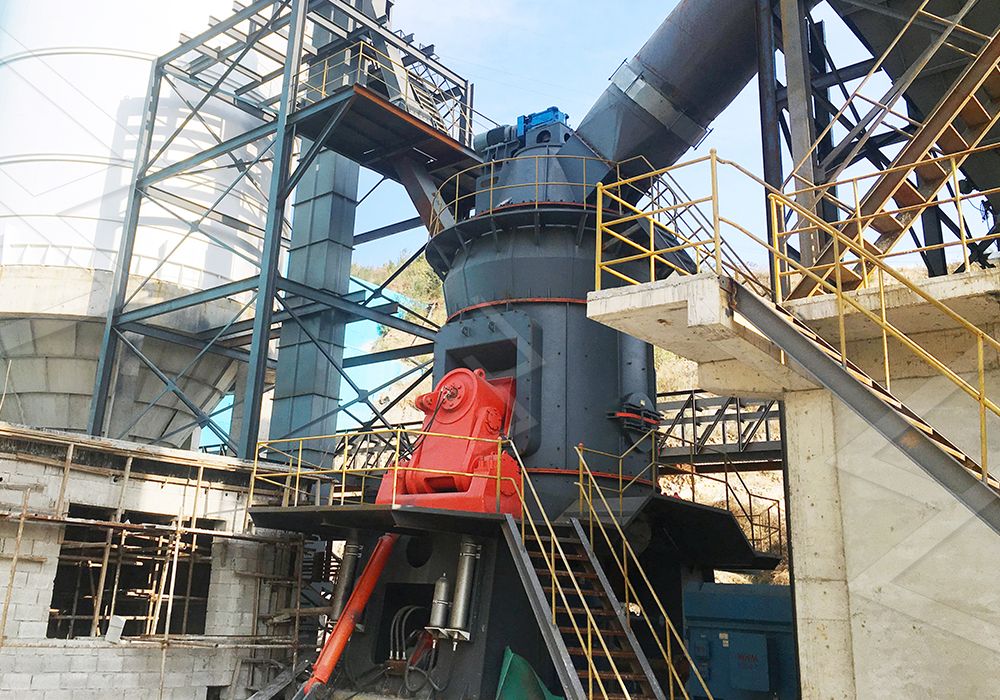
Why Vertical Roller Mills are the Optimal Choice
Vertical Roller Mills address the inherent drawbacks of ball mills through an integrated design. A VRM combines drying, grinding, classification, and conveying within a single, compact unit. The fundamental principle involves material being fed onto a rotating grinding table and ground under pressure by hydraulically loaded rollers. The ground material is then pneumatically conveyed to an integrated high-efficiency classifier, where finished product is separated and coarse material is returned for regrinding.
For slag processing, this translates to decisive advantages:
- Energy Efficiency: VRMs consume 30-50% less energy than ball mill systems, primarily because they utilize the efficient roller/table compression grinding mechanism rather than impact and attrition.
- Integrated Drying: Hot gas introduced into the mill simultaneously dries moist slag during grinding, eliminating the need for a separate dryer.
- Compact Footprint: The vertical design and integrated functions reduce the plant area requirement by approximately 50%.
- Lower Noise & Dust Emissions: Enclosed negative-pressure operation and advanced dust collection systems ensure environmentally friendly production.
- Product Quality: The short material residence time and efficient classification yield a product with consistent fineness, narrow particle size distribution, and low iron contamination.

Introducing the Ideal Solution: The LM Vertical Slag Mill
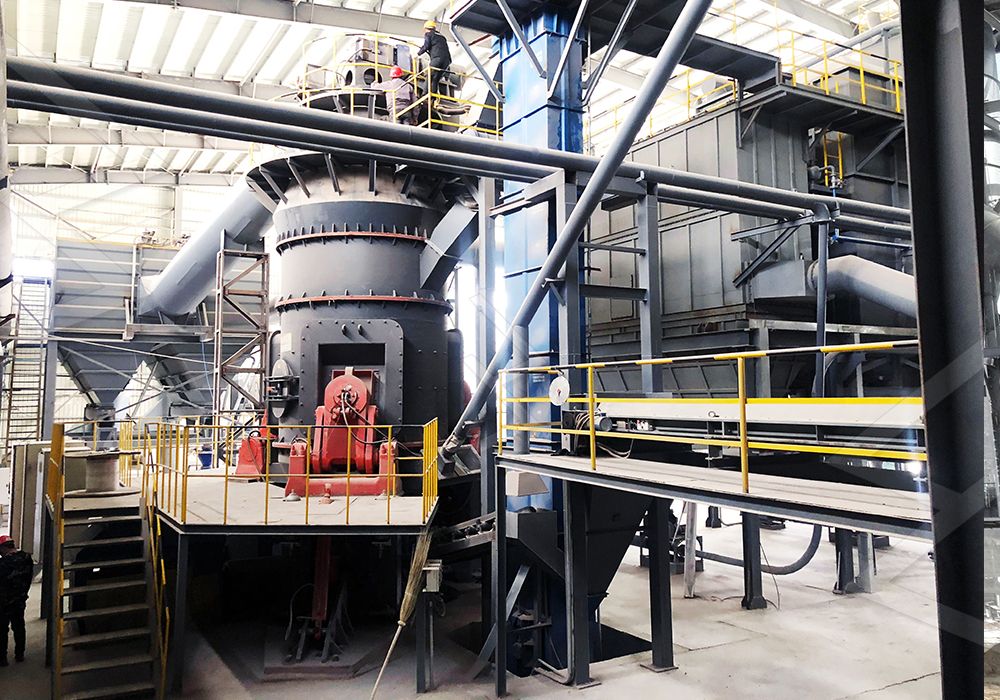
For operators seeking a purpose-built solution, the LM Vertical Slag Mill stands out. This mill is specifically engineered for grinding industrial wastes like blast furnace slag and steel slag. It integrates drying, grinding, powder selection, and conveying into one complete set, focusing squarely on the demands of slag milling. With an input size of 38-65mm and a capacity range of 7-100 T/H, it handles standard slag feed efficiently.
Its performance advantages are particularly relevant. The mill’s unique grinding device achieves the integration of grinding and powder selection, which simplifies the process flow. Important parts are constructed from high-quality, wear-resistant materials to withstand slag’s abrasiveness. Crucially, the system energy consumption is only 30% ~ 40% of a comparable ball milling system, offering dramatic operational cost savings. The fineness of the finished powder is uniform with a high screening rate, making it perfect for producing high-quality GBFS for the cement and concrete industries.
Pushing the Boundaries of Fineness: The LUM Ultrafine Vertical Grinding Mill
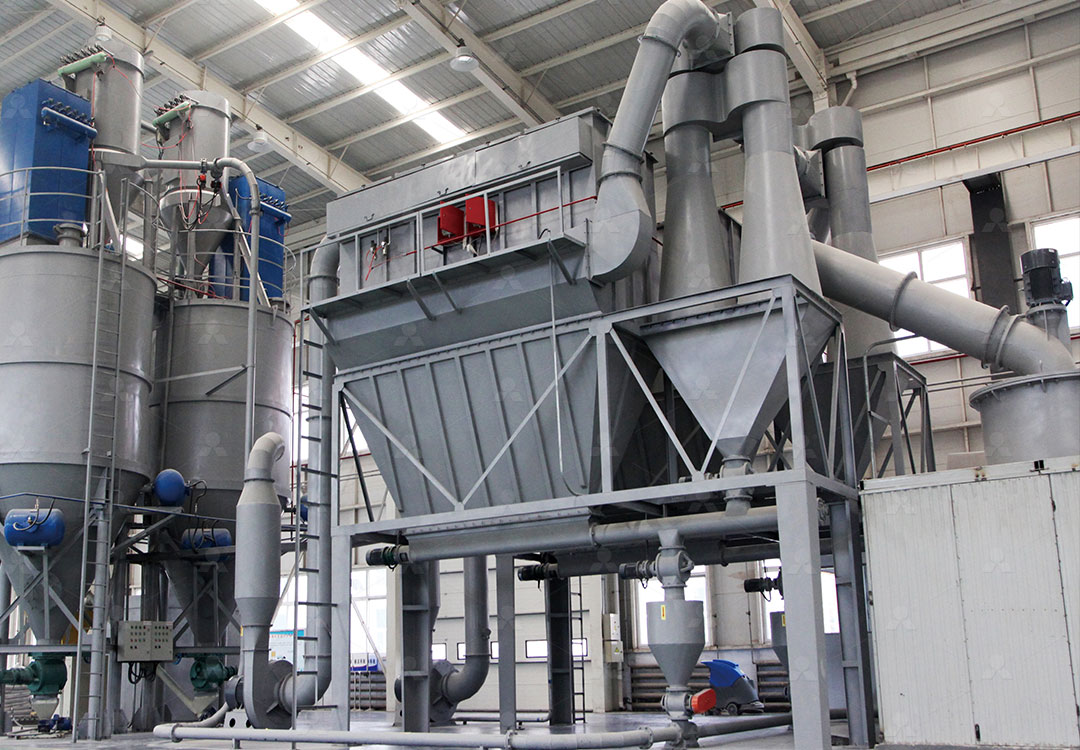
For applications requiring ultra-fine slag powder or where exceptional product whiteness and purity are paramount, the LUM Ultrafine Vertical Grinding Mill represents the cutting edge. Independently designed with the latest grinding roller and German powder separating technology, it excels at producing superfine dry powder. With an input size of 0-10mm and capacity of 5-18 TPH, it is a precision instrument for high-value slag products.
Its features directly tackle slag grinding’s pain points. The specially designed roller shell and lining plate grinding curve promote stable material layer formation and achieve a high rate of finished product in a single pass. The PLC-controlled multi-head powder separating technology allows for precise control over fineness and fast switching between product specifications. A standout feature is the double position-limiting technology, which uses electronic and mechanical limits to prevent destructive roller-to-table contact during unexpected vibration, guaranteeing exceptional operational stability and protecting the mill from damage.
Conclusion
The transition to Vertical Roller Mill technology for blast furnace slag grinding is not merely an upgrade; it’s a strategic shift towards lower operating costs, superior product quality, and sustainable industrial practice. By integrating multiple processes, drastically reducing energy use, and minimizing environmental impact, VRMs like the specialized LM Vertical Slag Mill and the high-precision LUM Ultrafine Vertical Grinding Mill provide the reliable, efficient, and advanced grinding solutions necessary to transform a metallurgical byproduct into a premium construction material. Investing in the right vertical mill technology is the definitive step for modern slag processing plants aiming for profitability and performance leadership.
Frequently Asked Questions (FAQ)
1. What is the main advantage of using a VRM over a ball mill for slag grinding?
The primary advantage is significantly lower energy consumption, typically 30-50% less. VRMs also offer a much smaller footprint, integrated drying capability, lower noise levels, and produce a product with more consistent fineness and lower iron content.
2. Can a Vertical Roller Mill handle wet slag?
Yes, one of the key strengths of VRMs is their ability to simultaneously dry and grind. Hot gases are introduced into the mill chamber, evaporating moisture from the slag during the grinding process, eliminating the need for a separate, energy-intensive drying step.
3. How abrasive is blast furnace slag on the mill’s wear parts?
Blast furnace slag is moderately abrasive. Modern VRMs designed for slag, like the LM Vertical Slag Mill, use high-performance wear-resistant materials for critical components such as grinding rollers, tables, and liners. These are specifically developed to extend service life and reduce maintenance frequency.
4. What fineness can be achieved for slag cement with your VRMs?
Our mills are capable of producing slag powder to meet standard cementitious requirements, typically in the range of 4000-6000 cm²/g Blaine. The LUM Ultrafine Vertical Grinding Mill can achieve even higher fineness levels for specialized applications, with precise control via its advanced classifier.
5. Is the system operation automated?
Yes. Our VRM systems feature expert-level automatic control systems. They allow for remote monitoring and control, automatic adjustment of grinding pressure and feed rates, and stable operation with minimal manual intervention, ensuring consistent product quality and operational safety.
6. How is dust emission controlled?
The entire milling system operates under negative pressure. Combined with high-efficiency pulse jet bag filters or other advanced dust collection systems, this ensures no dust spillage. Emissions are far below international environmental standards, making the operation clean and eco-friendly.