
Vertical Roller Mill: A Key Equipment for Efficient Mineral Grinding in Mining Operations
We provide a wide range of mills — including Raymond mill, trapezoidal mill, vertical mill, ultrafine mill, and ball mill, obtained ISO9001 international quality certification, EU CE certification, and Customs Union CU-TR certification. Suitable for processing minerals such as limestone, phosphate, quicklime, kaolin, talc, barite, bentonite, calcium carbonate, dolomite, coal, gypsum, clay, carbon black, slag, cement raw materials, cement clinker, and more.
The discharge range of these mills can be adjusted to meet specific processing needs, typically from 80-400 mesh, 600-3250 mesh, and can achieve the finest particle size of up to 6000 mesh(D50).
If you are looking for a reliable grinding solution to turn stone or minerals into fine powder, please feel free to contact our online customer service.
Vertical Roller Mill: A Key Equipment for Efficient Mineral Grinding in Mining Operations
In the demanding world of mining and mineral processing, efficiency, reliability, and environmental compliance are not just goals—they are necessities. The core of many operations lies in the grinding circuit, where raw ore is transformed into fine powders for further processing. Among the various grinding technologies available, the Vertical Roller Mill (VRM) has emerged as a superior solution, offering significant advantages over traditional ball mills and other horizontal grinding systems.
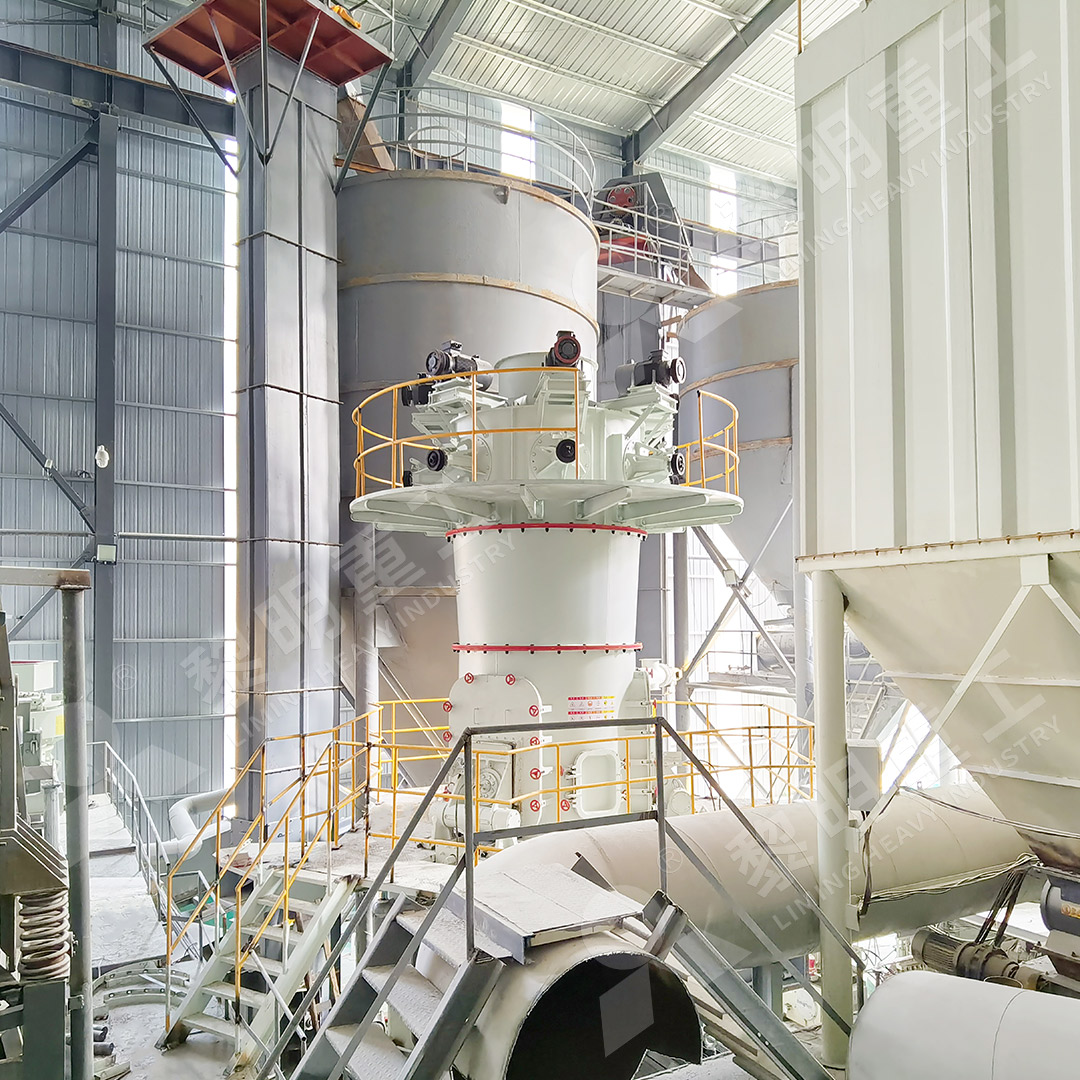
The fundamental design of a VRM incorporates a rotating grinding table onto which material is fed. Hydraulically loaded grinding rollers then compress and shear the material bed against this table, achieving comminution with remarkable efficiency. This direct grinding mechanism, combined with integrated drying, classifying, and conveying within a single, compact unit, results in a drastically smaller footprint—often up to 50% less than a comparable ball mill system. Furthermore, the specific grinding action of a VRM consumes significantly less energy, typically 30-50% less, making it a cornerstone for operations aiming to reduce their carbon footprint and operational costs.
Beyond Efficiency: The Technological Edge
Modern VRMs are feats of engineering, integrating advanced control systems and robust design features. Key innovations include sophisticated PLC controls that allow for precise adjustment of grinding pressure and separator speed to achieve the exact product fineness required. Multi-head powder separating technology ensures high-precision classification, delivering a consistent product with a narrow particle size distribution. For operations dealing with abrasive ores, the latest wear-resistant alloys for rollers and tables extend service life and reduce downtime for maintenance.
Environmental performance is another critical area where VRMs excel. The entire grinding process is enclosed and operates under negative pressure, preventing dust emissions. Integrated pulse jet baghouse dust collectors and silencers ensure that the plant meets the strictest international environmental standards for particulate matter and noise pollution.
Choosing the Right Mill for Your Application
Selecting the optimal grinding mill depends on the material characteristics and the desired final product. For operations requiring ultra-fine powders down to 2500 mesh, the MW Ultrafine Grinding Mill is an exceptional choice. Designed for customers who need to make ultra-fine powder, this machine is a standout. It handles an input size of 0-20 mm with a capacity ranging from 0.5 to 25 tph. A key feature is its higher yielding and lower energy consumption; its newly designed grinding curves enhance efficiency, offering production capacity 40% higher than jet mills while using only 30% of the energy. Its cage-type powder selector, employing German technology, allows adjustable fineness between 325-2500 meshes. Crucially, its design eliminates rolling bearings and screws in the grinding chamber, virtually eliminating worries about bearing damage or loose screws causing failure. Coupled with an efficient pulse dust collector, the MW Ultrafine Mill operates with minimal environmental impact, making it perfect for processing limestone, calcite, dolomite, and other minerals for industries like chemicals, paints, and cosmetics.
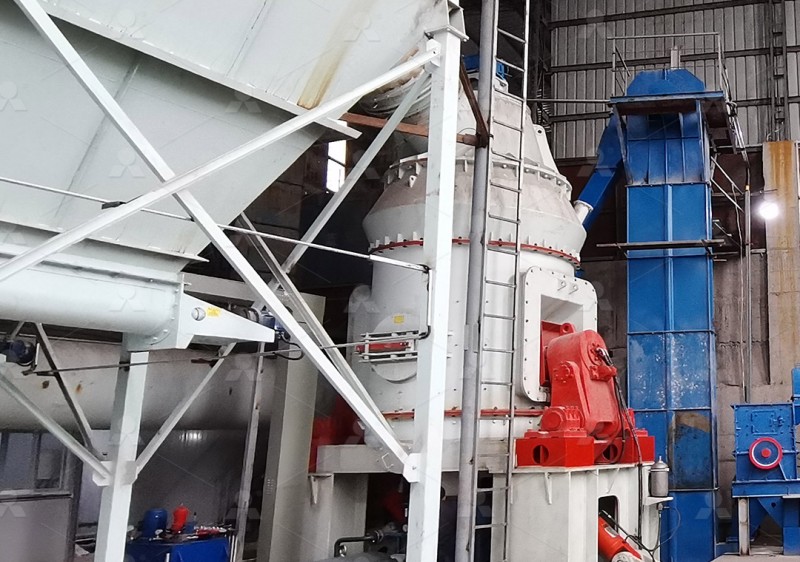
For another robust and versatile option, our LUM Ultrafine Vertical Grinding Mill is independently designed by LIMING and integrates the latest grinding roller and powder separating technology. It handles a slightly smaller feed size (0-10mm) with a capacity of 5-18 tph. Its unique roller shell and lining plate grinding curve design promotes easier material layer formation and a high rate of finished product in a single pass. It also boasts energy savings of 30%-50% and features double position-limiting technology for incredibly stable operation, even mitigating vibrations from events like mine explosions. Its reversible structure is a maintenance engineer’s dream, allowing grinding rollers to be easily moved out for inspection and part replacement, drastically reducing shutdown time.
Conclusion
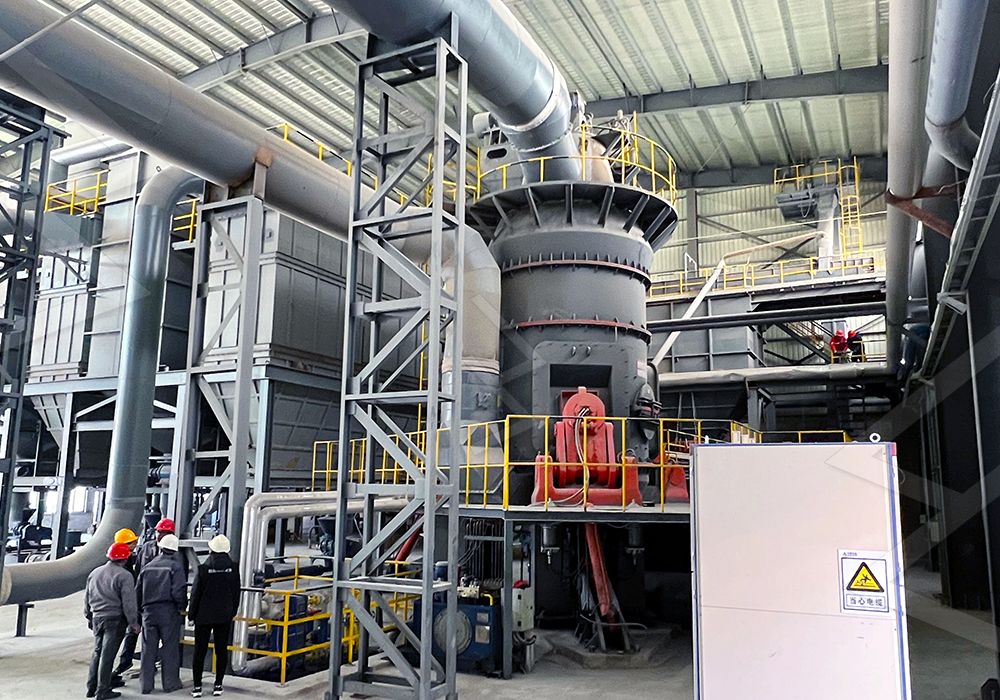
The evolution of grinding technology has firmly positioned the Vertical Roller Mill as the equipment of choice for modern, efficient, and sustainable mining operations. Its unparalleled combination of lower energy consumption, reduced operational costs, superior product quality, and excellent environmental performance makes it an indispensable asset. As the industry continues to focus on optimization and sustainability, embracing advanced VRM technology is not just an operational improvement—it’s a strategic imperative for long-term success.