
Vertical Raymond Mill: Working Principle and Industrial Applications
We provide a wide range of mills — including Raymond mill, trapezoidal mill, vertical mill, ultrafine mill, and ball mill, obtained ISO9001 international quality certification, EU CE certification, and Customs Union CU-TR certification. Suitable for processing minerals such as limestone, phosphate, quicklime, kaolin, talc, barite, bentonite, calcium carbonate, dolomite, coal, gypsum, clay, carbon black, slag, cement raw materials, cement clinker, and more.
The discharge range of these mills can be adjusted to meet specific processing needs, typically from 80-400 mesh, 600-3250 mesh, and can achieve the finest particle size of up to 6000 mesh(D50).
If you are looking for a reliable grinding solution to turn stone or minerals into fine powder, please feel free to contact our online customer service.
Vertical Raymond Mill: Working Principle and Industrial Applications
For over a century, the name “Raymond Mill” has been synonymous with reliable fine powder processing. While the classic pendulum-style Raymond mill laid the foundation, modern vertical roller mill (VRM) technology has evolved the core principles into more efficient, compact, and versatile systems. Today’s vertical Raymond-type mills are the workhorses of countless industries, transforming raw minerals into the fine powders that build our world.
The Core Working Principle: A Symphony of Grinding and Separation
At its heart, a vertical Raymond mill operates on a elegantly simple yet highly effective process integrating grinding, drying, classification, and conveying. The system is a closed-circuit, negative-pressure air-swept design.
The journey begins with raw material, pre-crushed to a specified size (typically 0-20mm), being fed evenly onto the center of a rotating grinding table. Centrifugal force slings the material outward under multiple heavy grinding rollers. These rollers, hydraulically loaded, apply immense pressure, crushing and pulverizing the material against the table. Simultaneously, hot air is introduced from the bottom of the mill, flowing upward through the “wind ring” surrounding the table. This air serves a dual purpose: it dries the material and carries the fine particles upward.
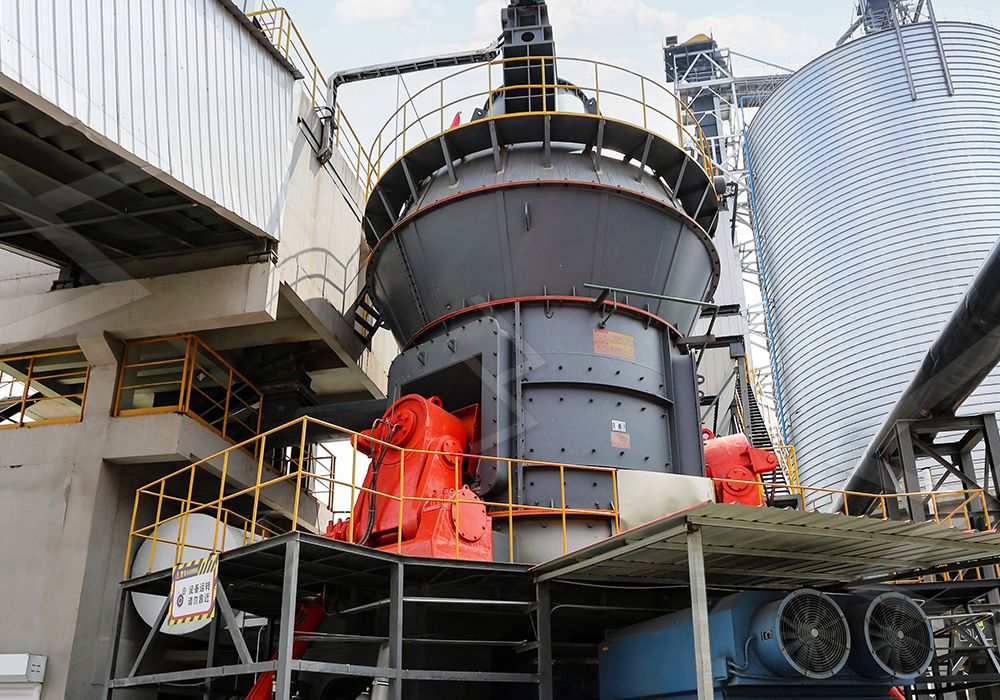
The air-borne powder-laden stream then enters the integral high-efficiency classifier, often a cage-type or rotor-type separator located at the top of the mill. Here, centrifugal force and adjustable rotor speeds come into play. Coarse particles are rejected and fall back onto the grinding table for further processing, while fine particles meeting the target fineness pass through with the air flow. This internal recirculation ensures maximum efficiency and consistent product quality.
The final product is separated from the air stream in a downstream cyclone collector or baghouse filter. The cleaned air is recirculated back into the mill by a system fan, making the entire operation dust-free and energy-conscious.
Industrial Applications: Powering Diverse Sectors
The versatility of vertical Raymond mills is demonstrated by their widespread adoption across numerous sectors. Their ability to handle non-metallic minerals with Mohs hardness below 7 and moisture content below 10% makes them indispensable for:
- Construction & Building Materials: Processing limestone, gypsum, and pozzolan for cement and concrete additives; grinding coal for kiln fuel.
- Industrial Minerals: Producing fine powders of calcite, marble, dolomite, barite, and talc used as fillers in paints, plastics, rubber, and paper.
- Energy & Environmental: Pulverizing coal for power plants and petroleum coke for fuel; preparing limestone powder for flue gas desulfurization (FGD) systems.
- Advanced Materials: Grinding high-purity quartz, feldspar, and ceramic raw materials for electronics, ceramics, and glass industries.
Modern Advancements: Elevating Performance and Sustainability
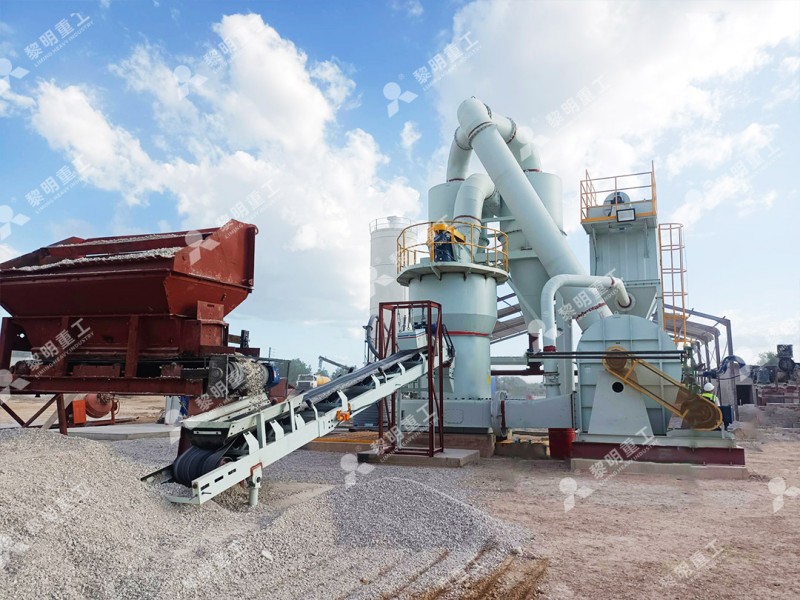
Contemporary vertical mills have transcended their predecessors by incorporating cutting-edge technologies. Features like PLC-based automated control systems allow for precise adjustment of grinding pressure, classifier speed, and feed rate, optimizing for both output and fineness. Innovations such as external mechanical limit stops prevent roller-to-table contact during start-up or sudden vibration, protecting the mill’s core components. Furthermore, the adoption of efficient pulse-jet baghouses and silencers ensures operations meet stringent environmental standards for dust and noise emissions.
For operations demanding ultra-fine powders in the range of 325 to 2500 meshes, advanced models like the MW Ultrafine Grinding Mill are engineered to excel. This mill is designed for customers who need to make ultra-fine powder. It features a highly efficient cage-type powder selector based on German technology for precise particle separation, achieving a screening rate of d97≤5μm in a single pass. Notably, its grinding chamber eliminates rolling bearings and screws, removing common failure points and enabling worry-free, continuous 24-hour operation. With an input size of 0-20 mm and a capacity ranging from 0.5 to 25 tph, it offers significantly higher yield and lower energy consumption—up to 40% higher output than jet mills and 30% lower system energy use.
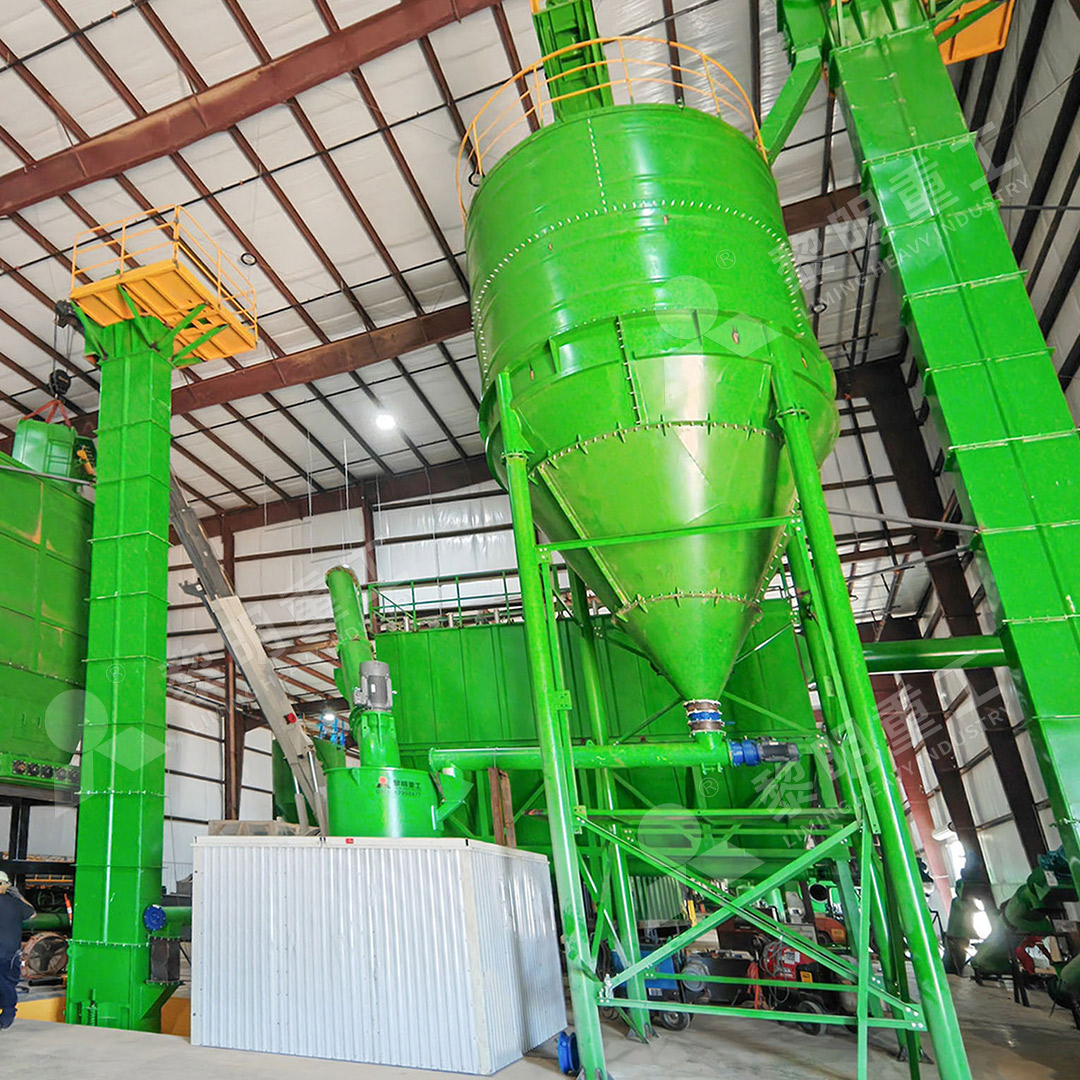
Another standout solution for high-end applications is the LUM Ultrafine Vertical Grinding Mill. It integrates the latest grinding roller and powder separating technologies, offering exceptional stability through its double position-limiting system. Its reversible roller structure is a maintenance engineer’s dream, allowing grinding rollers to be easily swung out of the mill body for inspection and liner replacement, drastically reducing downtime. Handling an input size of 0-10 mm with a capacity of 5-18 tph, it is a premier choice for producing superfine dry powder of non-metal ores with superior whiteness and cleanliness.
Conclusion
From its foundational principles to its modern, technologically advanced incarnations, the vertical Raymond mill remains a cornerstone of industrial powder processing. Its efficiency, adaptability, and continuous evolution towards greater automation and environmental friendliness secure its role in manufacturing the essential materials that underpin modern infrastructure and technology. Selecting the right mill, whether for high-volume coarse grinding or precision ultra-fine powder production, is a critical decision that directly impacts productivity and product quality.
Frequently Asked Questions (FAQs)
- What is the main difference between a traditional Raymond mill and a modern vertical roller mill (VRM)?
Traditional Raymond mills use a horizontal configuration with spring-loaded rollers swinging on a pendulum to grind against a stationary ring. Modern VRMs use a vertical configuration where material is ground between large hydraulically-loaded rollers and a rotating table, offering higher capacity, better energy efficiency, and integrated drying and classification. - What fineness range can a vertical Raymond mill typically achieve?
Standard vertical mills can produce powders from about 80 mesh (180μm) to 325 mesh (45μm). Advanced ultrafine models, like the MW series, can achieve much finer products, adjustable between 325 mesh (45μm) and 2500 mesh (5μm). - How is the final product fineness controlled in these mills?
Fineness is primarily controlled by adjusting the speed of the internal dynamic classifier (separator). A higher rotor speed allows only finer particles to pass, while a lower speed permits coarser material. Grinding pressure and air volume are secondary adjustment parameters. - Can these mills handle moist materials?
Yes, one of the key advantages of the air-swept vertical mill design is its ability to dry materials during grinding. By introducing hot air into the grinding chamber, materials with moisture content typically up to 10-15% can be processed simultaneously dried and ground. - What are the key maintenance points for a vertical Raymond mill?
Primary wear parts are the grinding rollers and the table liner, which require periodic inspection and replacement. Modern designs like the LUM mill feature reversible rollers and easy-out systems to make this maintenance faster. Regular checks of the lubrication system, classifier blades, and the baghouse/filter are also essential for reliable operation. - Why is the “no rolling bearing in the grinding chamber” design, as seen in the MW Mill, advantageous?
This design eliminates a major potential failure point. The high-temperature, high-dust environment of the grinding chamber is harsh for bearings. By placing bearings outside the chamber, the risk of bearing seizure or damage from dust ingress is removed, greatly enhancing reliability and enabling true 24/7 continuous operation.