
Vertical Ore Grinding Mill Images for Industrial Applications
We provide a wide range of mills — including Raymond mill, trapezoidal mill, vertical mill, ultrafine mill, and ball mill, obtained ISO9001 international quality certification, EU CE certification, and Customs Union CU-TR certification. Suitable for processing minerals such as limestone, phosphate, quicklime, kaolin, talc, barite, bentonite, calcium carbonate, dolomite, coal, gypsum, clay, carbon black, slag, cement raw materials, cement clinker, and more.
The discharge range of these mills can be adjusted to meet specific processing needs, typically from 80-400 mesh, 600-3250 mesh, and can achieve the finest particle size of up to 6000 mesh(D50).
If you are looking for a reliable grinding solution to turn stone or minerals into fine powder, please feel free to contact our online customer service.
Vertical Ore Grinding Mill Images for Industrial Applications
In the demanding world of industrial mineral processing, the quest for efficiency, precision, and environmental responsibility is relentless. The imagery associated with these processes is not merely illustrative; it is a testament to engineering prowess. High-resolution photographs of vertical ore grinding mills in operation reveal more than just machinery—they showcase the heart of a system designed to transform raw, coarse materials into fine, valuable powders with remarkable consistency. These images often capture the sheer scale of the equipment, the intricate network of classifiers and dust collectors, and the clean, controlled environment that defines modern milling operations.

The visual narrative of a vertical grinding mill is one of power and sophistication. Unlike the traditional ball mill with its horizontal, rotating drum, the vertical mill stands as a towering column of efficiency. Pictures highlighting its internal mechanics—such as the grinding rollers poised against the stationary grinding table—emphasize a direct and efficient size reduction method. This design is a key reason for its widespread adoption across sectors like cement production, mining, and the manufacture of industrial minerals. The absence of a horizontal ball charge eliminates a significant source of energy waste, a fact that is visually underscored by the mill’s streamlined profile and compact footprint.
The Engineering Behind the Image
Delving deeper, technical diagrams and cutaway images are crucial for understanding the operational superiority of vertical mills. They illustrate the integrated processes of drying, grinding, classification, and conveyance that occur within a single unit. The journey of material—from the central feed chute, spreading across the rotating table, to being ground by hydraulic pressure from the rollers, and finally being carried by an air stream to the high-efficiency separator—is a ballet of physics and engineering. These visuals help engineers appreciate the short material retention time, which minimizes over-grinding and reduces the iron content contamination that can plague other milling methods.

For operations requiring ultra-fine powders, the technology takes a significant leap forward. Consider the challenges in producing powders with fineness levels between 325 and 2500 meshes for advanced applications in chemicals, paints, and cosmetics. This demands not just grinding force, but exceptional precision in particle separation. Here, the MW Ultrafine Grinding Mill stands out. Engineered for customers dedicated to making ultra-fine powder, this machine is a marvel of modern design. It features a cage-type powder selector based on German technology, which ensures high precision in separating fine particles. A key design advantage visible in its schematic is the absence of rolling bearings and screws within the grinding chamber. This eliminates critical failure points, freeing operators from concerns about bearing damage or loose screws causing catastrophic failure. Furthermore, its external lubrication system allows for maintenance without shutdown, supporting continuous 24/7 production. With a capacity ranging from 0.5 to 25 tph and the ability to handle an input size of 0-20 mm, the MW Ultrafine Grinding Mill achieves higher yields with 40% greater efficiency than jet mills and double that of ball mills, all while reducing system energy consumption by up to 70%.
Eco-Efficiency in Focus
Modern industrial imagery also powerfully communicates a commitment to sustainability. Photographs of vertical mills are notably clean. This is not by accident but by design. Integrated pulse jet dust collectors are a standard feature, ensuring that the entire milling system operates without dust pollution. Accompanying images of silencers and noise reduction enclosures highlight the efforts to mitigate acoustic impact. This aligns perfectly with global environmental protection standards, making the vertical mill a responsible choice for new projects and plant upgrades. The visual of a clean, quiet, and automated milling station is a powerful marketing and operational tool.
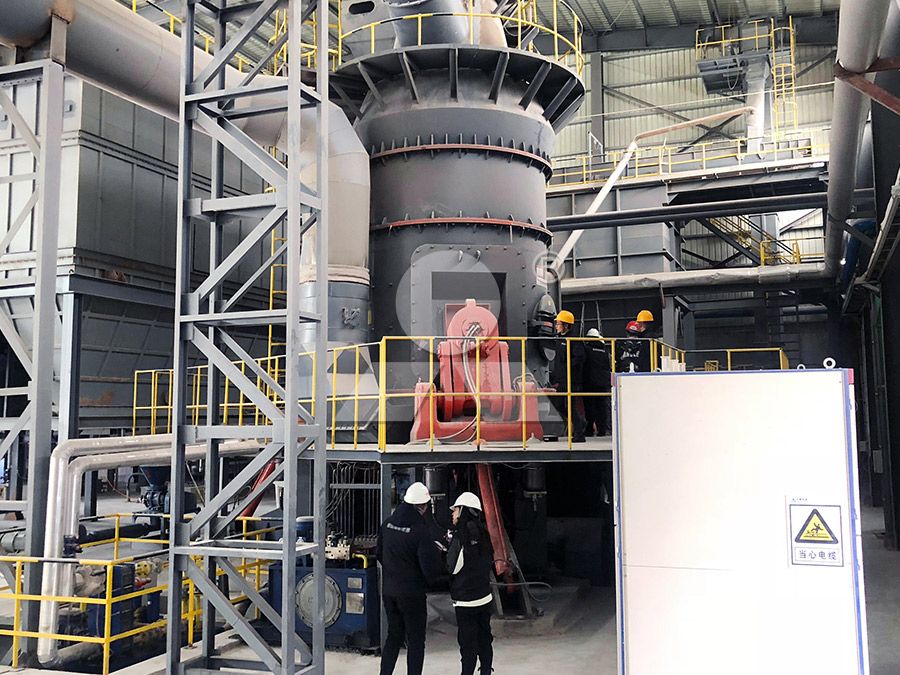
Another exemplary model that embodies this synergy of performance and eco-friendliness is the LUM Ultrafine Vertical Grinding Mill. This mill represents a pinnacle of independent design, incorporating advanced grinding roller technology from Taiwan and German powder separating technology. Its unique roller shell and lining plate grinding curve are designed to easily generate a stable material layer, enabling a high rate of finished product in a single pass. This not only boosts efficiency but also enhances the whiteness and cleanliness of the final powder—a critical factor for many industrial buyers. The LUM mill’s use of multi-head powder separating technology and a PLC control system allows for exact control over grinding parameters, resulting in energy savings of 30%-50% compared to common grinding mills. Its reversible structure, a feature that is clearly beneficial in maintenance planning visuals, allows grinding rollers to be easily moved out of the mill body for inspection and part replacement, drastically reducing downtime and associated losses.
Conclusion: A Picture of Modern Productivity
In conclusion, the visual and technical narrative of the vertical ore grinding mill is one of transformative power and intelligent design. From the broad capabilities of standard vertical mills to the specialized finesse of ultrafine grinders like the MW and LUM series, this technology offers a compelling solution. The images tell a story of higher yields, significantly lower energy consumption, unparalleled product quality control, and a minimal environmental footprint. For any industrial operation looking to optimize its size reduction process, the evidence is clear in both the performance data and the powerful imagery of these advanced grinding systems.
Frequently Asked Questions (FAQs)
What are the main advantages of a vertical mill over a traditional ball mill?
Vertical mills offer significantly higher energy efficiency (30-50% less power consumption), a smaller physical footprint, integrated drying and grinding capabilities, lower noise levels, and superior product quality with less iron contamination due to the absence of direct metal-to-metal contact in the grinding zone.
What materials can be processed with a vertical grinding mill?
Vertical mills are highly versatile and can process a wide range of non-metallic minerals and industrial materials, including limestone, calcite, dolomite, coal, gypsum, barite, slag, and talc. Specific models like the MW Ultrafine Mill are also ideal for advanced applications in chemicals, paints, and cosmetics.
How is the fineness of the final powder controlled?
Fineness is precisely controlled by a high-efficiency separator located at the top of the mill. By adjusting the speed of the separator’s rotor, operators can accurately determine the cut point, allowing for the production of powders with specific fineness requirements, often ranging from coarse (e.g., 325 mesh) to ultra-fine (e.g., 2500 mesh).
Are vertical grinding mills environmentally friendly?
Yes. Modern vertical mills are designed with environmental protection as a core principle. They are equipped with efficient pulse jet dust collectors that prevent dust emissions and silencers that reduce operational noise, ensuring compliance with strict national and international environmental standards.
What kind of maintenance do these mills require?
Maintenance is simplified through thoughtful design. Key wear parts like grinding rollers and tables are made from high-performance, wear-resistant alloys. Features like the external lubrication system on the MW Mill and the reversible roller structure on the LUM Mill allow for easier inspection and part replacement, minimizing downtime.
Can the mill handle moist materials?
Yes, one of the key advantages of many vertical mills is their integrated hot air system. This allows for simultaneous drying and grinding, making them suitable for processing materials with a certain moisture content without the need for a separate, pre-drying step.