Vertical Mill vs Ball Mill for Clinker Grinding in Cement Plants
We provide a wide range of mills — including Raymond mill, trapezoidal mill, vertical mill, ultrafine mill, and ball mill, obtained ISO9001 international quality certification, EU CE certification, and Customs Union CU-TR certification. Suitable for processing minerals such as limestone, phosphate, quicklime, kaolin, talc, barite, bentonite, calcium carbonate, dolomite, coal, gypsum, clay, carbon black, slag, cement raw materials, cement clinker, and more.
The discharge range of these mills can be adjusted to meet specific processing needs, typically from 80-400 mesh, 600-3250 mesh, and can achieve the finest particle size of up to 6000 mesh(D50).
If you are looking for a reliable grinding solution to turn stone or minerals into fine powder, please feel free to contact our online customer service.
Vertical Mill vs Ball Mill for Clinker Grinding in Cement Plants
In the heart of every cement plant lies the critical process of clinker grinding. The choice of grinding technology is not merely an equipment selection; it’s a fundamental decision impacting operational costs, product quality, and environmental footprint. For decades, the ball mill was the undisputed champion of this stage. However, the rise of vertical roller mills (VRMs) has sparked a significant shift in the industry. Let’s break down the key differences.
The Traditional Workhorse: Ball Mill
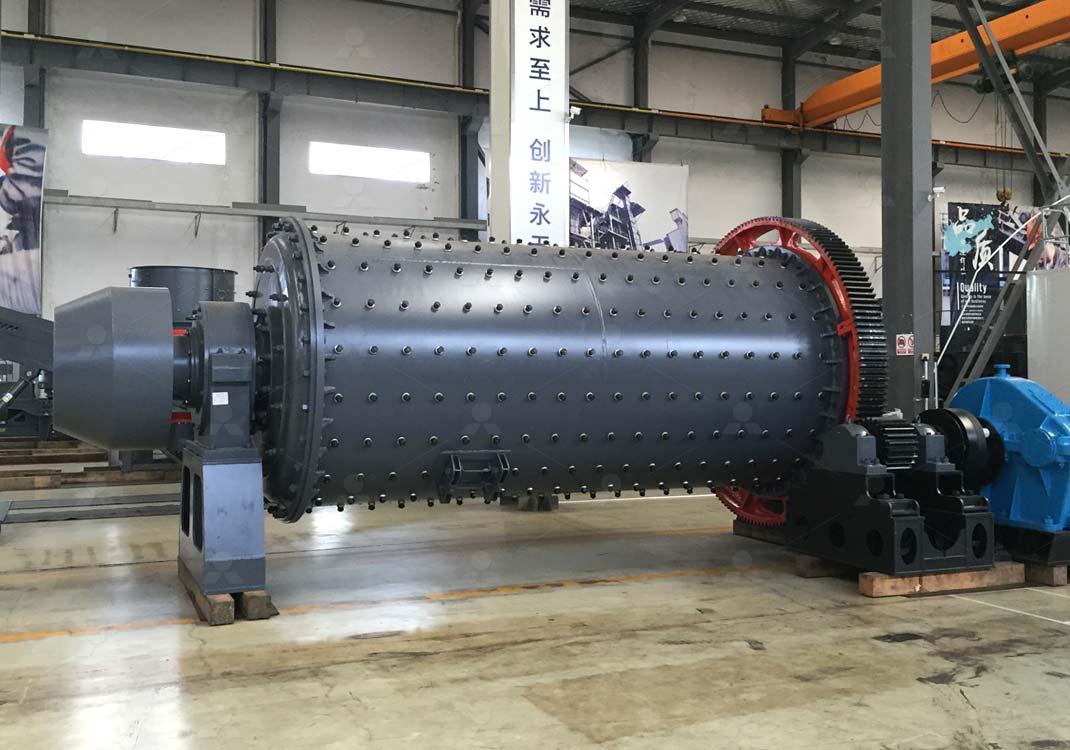
The ball mill is a robust, horizontal rotating cylinder filled with steel balls of various sizes. The clinker is fed into this drum, and as it rotates, the balls cascade and tumble, crushing and grinding the material through impact and attrition. It’s a simple, proven technology that many plant operators are deeply familiar with. Advantages include lower initial investment (in some cases) and the ability to handle a wide range of material feed sizes.
However, its drawbacks are becoming increasingly hard to ignore. Ball mills are notoriously energy-inefficient; a significant portion of the input energy is wasted on rotating the heavy drum and the grinding media itself, rather than on the actual grinding process. They also have a larger physical footprint, require more auxiliary equipment (like a complex air system for material transport and separation), and generate higher levels of noise and wear.
The Modern Challenger: Vertical Roller Mill
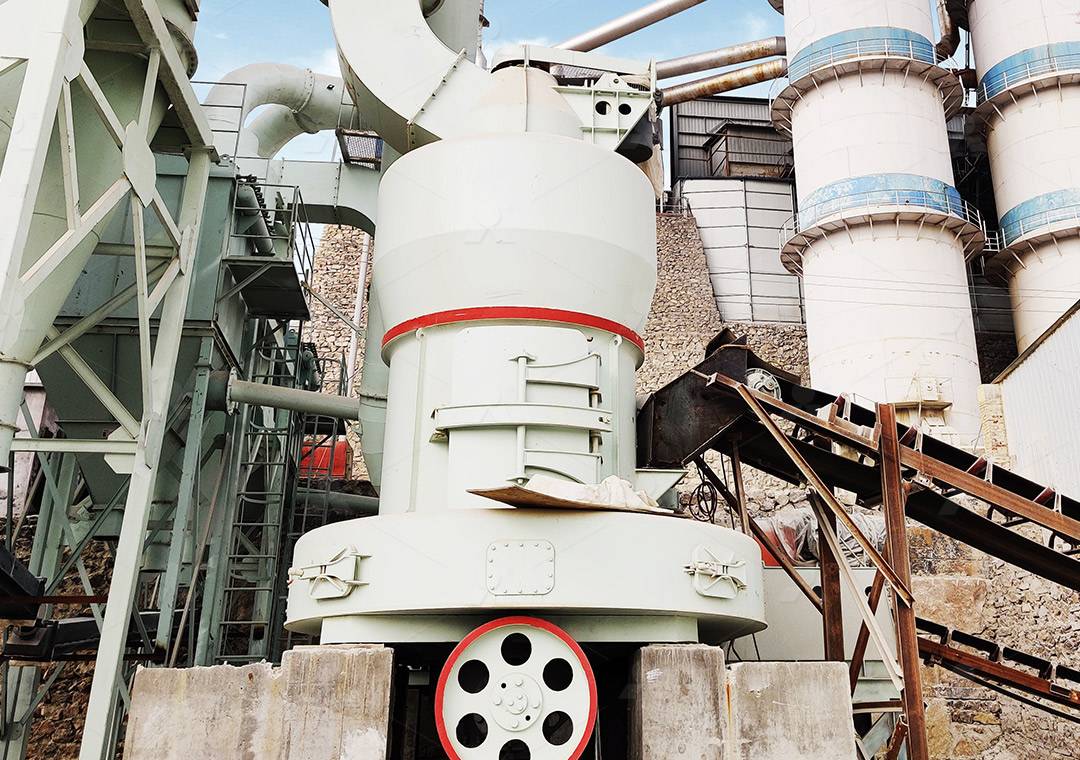
Vertical roller mills operate on a completely different principle. Material is fed onto a rotating grinding table and is ground under pressure by hydraulically loaded rollers. The ground material is then pneumatically transported by the process air into an integral classifier, where finished product is separated and coarse material is rejected back to the table.
The advantages here are substantial. VRMs are significantly more energy-efficient, typically consuming 30-50% less power than a ball mill for the same duty. Their compact design reduces the plant’s footprint dramatically. They also integrate drying, grinding, and classification into a single unit, simplifying the process flow. Furthermore, they operate with lower noise levels and, with no direct metal-to-metal contact between grinding parts, often experience lower wear rates.
The Verdict and a Superior Solution
While ball mills still have their place, the industry trend is decisively moving towards vertical mills for new installations and major upgrades due to their superior efficiency and lower operating costs. The key is selecting the right vertical mill for the specific application.
For operations focused on ultra-fine grinding and maximizing efficiency, our MW Ultrafine Grinding Mill stands out. It’s engineered for customers who need to make ultra-fine powder with remarkable efficiency. With an input size of 0-20 mm and a capacity range of 0.5-25 tph, it’s incredibly versatile. A key feature is its higher yielding and lower energy consumption – it offers 40% higher capacity than jet mills and double the yield of ball mills, while system energy consumption is just 30% of a jet mill. It also provides adjustable fineness between 325-2500 meshes, ensuring you hit your exact product specifications.
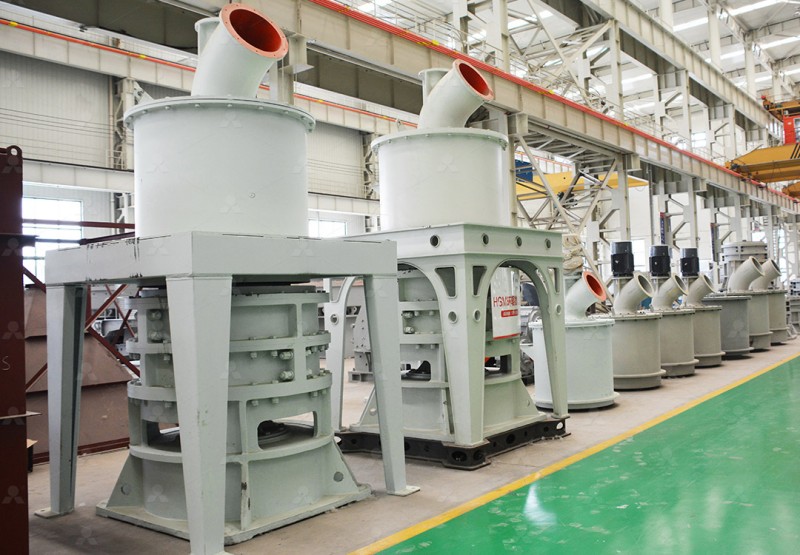
For those seeking the pinnacle of vertical grinding technology with integrated fine powder classification, we highly recommend the LUM Ultrafine Vertical Grinding Mill. It represents our latest innovation, incorporating advanced grinding roller and German powder separating technology. It excels in producing superfine dry powders with higher yielding rates and better quality finish. Its unique reversible structure makes maintenance easier and faster, minimizing costly downtime. This mill is the ideal choice for achieving exceptional product whiteness and cleanliness with maximum operational reliability.
In conclusion, the choice is clear for modern, cost-conscious, and environmentally responsible cement production. Vertical roller technology, particularly advanced models like our MW and LUM series, offers a compelling package of benefits that ball mills simply cannot match.