
Vertical Mill Grinding Machine – Shanghai Libang Industrial Applications
We provide a wide range of mills — including Raymond mill, trapezoidal mill, vertical mill, ultrafine mill, and ball mill, obtained ISO9001 international quality certification, EU CE certification, and Customs Union CU-TR certification. Suitable for processing minerals such as limestone, phosphate, quicklime, kaolin, talc, barite, bentonite, calcium carbonate, dolomite, coal, gypsum, clay, carbon black, slag, cement raw materials, cement clinker, and more.
The discharge range of these mills can be adjusted to meet specific processing needs, typically from 80-400 mesh, 600-3250 mesh, and can achieve the finest particle size of up to 6000 mesh(D50).
If you are looking for a reliable grinding solution to turn stone or minerals into fine powder, please feel free to contact our online customer service.
Vertical Mill Grinding Machine – Shanghai Libang Industrial Applications
In the demanding world of industrial mineral processing and powder production, the selection of grinding equipment is a critical decision that directly impacts operational efficiency, product quality, and the bottom line. For decades, the industry has relied on various milling technologies, each with its own set of advantages and limitations. However, the evolution towards vertical roller mill (VRM) technology represents a significant leap forward, offering a compelling combination of energy efficiency, compact design, and superior particle size control. Shanghai Libang, a leader in heavy industrial machinery, has been at the forefront of this evolution, developing advanced vertical grinding solutions that cater to a vast spectrum of industrial applications.
The Vertical Advantage: A Paradigm Shift in Grinding
Traditional grinding systems, such as ball mills and Raymond mills, have served industries well but often come with inherent drawbacks: high energy consumption, large physical footprints, complex material handling, and challenges in achieving consistent ultra-fine powders. The vertical mill architecture fundamentally rethinks this process. By integrating drying, grinding, classification, and conveying into a single, cohesive unit, VRMs streamline the entire production line. The material is ground between a rotating table and rollers under pressure, with a hot gas stream simultaneously drying and transporting the fine particles to an integrated classifier. This integrated approach is not just about saving space; it’s about creating a more controlled, efficient, and responsive grinding environment.
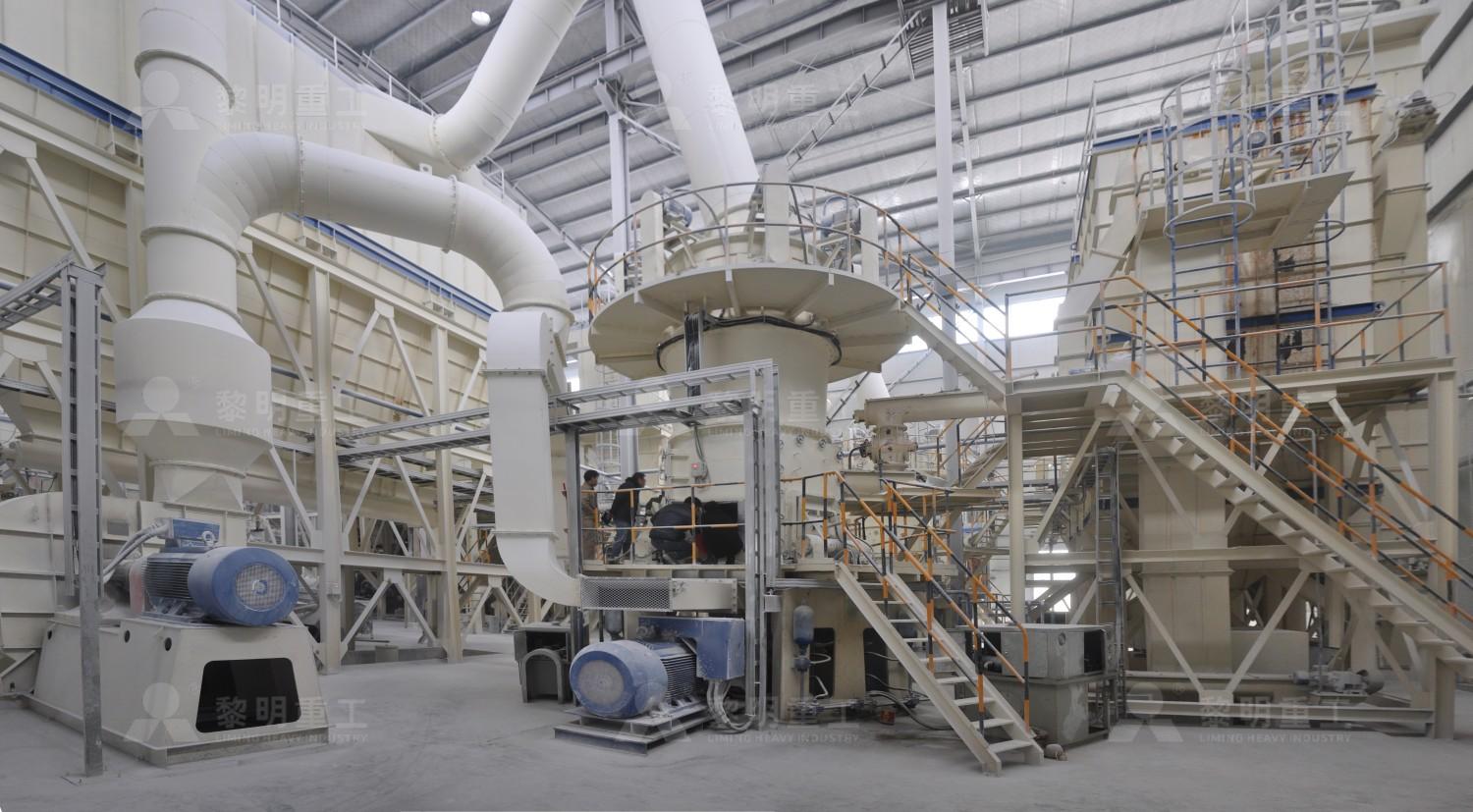
The benefits are tangible and multifaceted. Energy savings of 30% to 50% compared to traditional ball mills are commonly reported, a direct result of the more efficient grinding mechanism and reduced system resistance. The compact vertical design drastically reduces the required building area and civil engineering costs. Furthermore, the short material retention time within the grinding chamber minimizes over-grinding and allows for rapid adjustment of product fineness, which is crucial for modern, just-in-time production schedules.
Tailoring Technology to Application Needs
Shanghai Libang’s philosophy is that no single mill is optimal for every task. Their portfolio is engineered to address specific market segments and material characteristics. For high-volume processing of standard mineral powders like limestone, coal, or slag, the LM Vertical Grinding Mill series stands out. With capacities ranging from modest 3 tph to massive 340 tph and the ability to handle feed sizes up to 70mm, the LM series is a workhorse for cement plants, power station desulfurization, and metallurgical operations. Its robust design, featuring two pairs of grinding rollers, ensures reliable, continuous operation with minimal downtime for maintenance.
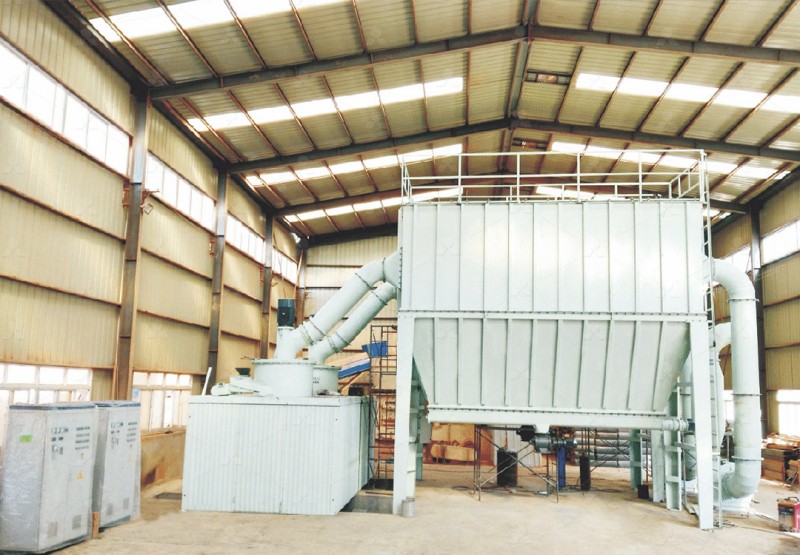
When the application demands exceptional fineness and purity—such as in the production of fillers for plastics, paints, cosmetics, or high-grade ceramics—conventional mills reach their limits. This is the domain of ultra-fine grinding, where particle size distribution and low contamination are paramount. For these critical applications, Shanghai Libang offers its advanced MW Ultrafine Grinding Mill. This machine is engineered specifically for customers who need to produce ultra-fine powder between 325 and 2500 meshes. A key innovation is its cage-type powder selector, which utilizes German technology to achieve precise particle separation with a screening rate capable of reaching d97≤5μm in a single pass. Remarkably, it delivers a production capacity up to 40% higher than jet or stirred mills at the same fineness, while consuming only about 30% of the energy of a jet mill. Its design eliminates rolling bearings and screws inside the grinding chamber, removing common failure points and enabling worry-free, 24-hour continuous operation, all while maintaining an eco-friendly profile with integrated pulse dust collection and noise reduction systems.
Beyond the Core: Innovations for Reliability and Control
Shanghai Libang’s expertise extends beyond raw grinding power. Their mills incorporate sophisticated features that enhance stability, simplify maintenance, and ensure product consistency. For instance, the LUM Ultrafine Vertical Grinding Mill incorporates double position-limiting technology—combining electronic and mechanical safeguards—to prevent destructive contact between the roller and millstone during unexpected vibration events. Its reversible roller structure, facilitated by a hydraulic system, allows operators to quickly swing grinding rollers out of the mill body for inspection or liner replacement, dramatically reducing maintenance time and associated production losses.
Digitalization is another cornerstone of their design philosophy. Across the product line, from the MTW European Trapezium Mill to the flagship vertical models, core components are manufactured using numerically controlled machine tools. This ensures high precision in critical parts like grinding curves, leading to better grinding efficiency, more stable operation, and longer service life for wear parts. This commitment to precision manufacturing is backed by a comprehensive supply chain for genuine spare parts and technical support, ensuring long-term, worry-free operation for clients worldwide.
A Partner for Sustainable Industrial Progress
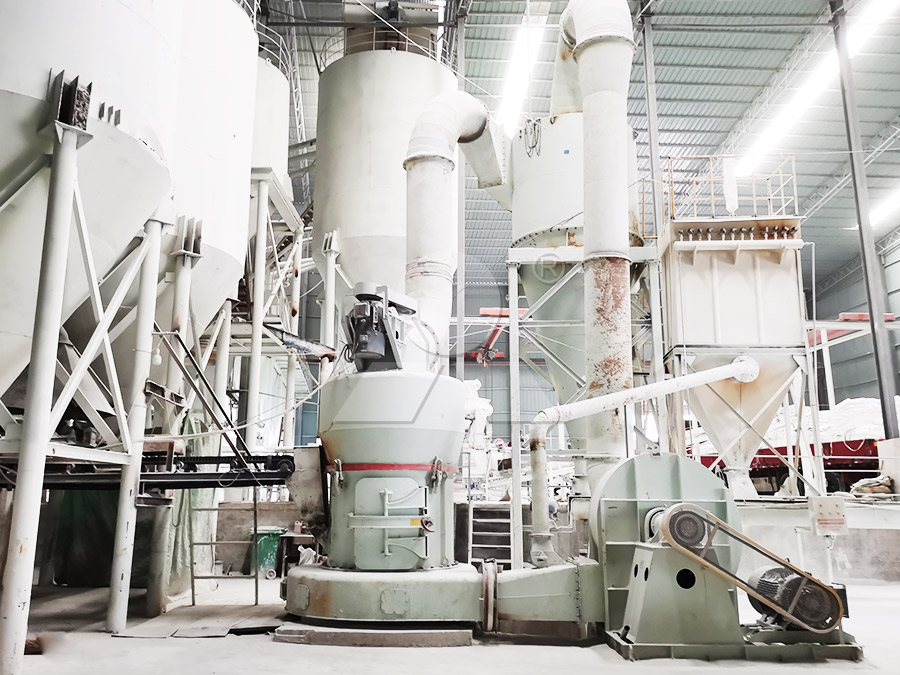
The modern industrial landscape demands more than just high output; it requires sustainable, clean, and intelligent production methods. Shanghai Libang’s vertical grinding mills are designed with this holistic view. The fully enclosed, negative-pressure operation virtually eliminates dust spillage. Advanced pulse-jet baghouse dust collectors and silencers ensure emissions and noise levels meet stringent international environmental standards. Furthermore, many models feature expert-level automatic control systems, allowing for remote monitoring and operation, which optimizes performance and reduces labor costs.
From grinding limestone for clean flue gas desulfurization, processing slag for sustainable cement substitutes, to creating ultra-fine talc for consumer products, Shanghai Libang’s vertical mill solutions provide the technological foundation. By offering a range of machines—from the high-capacity LM series to the precision-focused MW and LUM ultrafine mills—they empower industries to achieve their production goals with greater efficiency, superior product quality, and a significantly reduced environmental footprint. The vertical mill is no longer just an alternative; for a growing number of applications, it is the definitive choice for modern, responsible mineral processing.
Frequently Asked Questions (FAQ)
- What are the primary advantages of a vertical roller mill over a traditional ball mill?
Vertical roller mills offer significantly higher energy efficiency (30-50% savings), a much smaller physical footprint, integrated drying and grinding capabilities, shorter material retention time for quicker product adjustment, and generally lower maintenance requirements due to a simpler mechanical structure. - For producing very fine powders (e.g., over 800 mesh), which Shanghai Libang mill is most suitable?
The MW Ultrafine Grinding Mill is specifically designed for this purpose. It can adjust fineness between 325-2500 meshes and features a high-precision cage-type powder selector to achieve a fine and consistent product size distribution with high efficiency and low energy consumption compared to alternative fine-grinding technologies. - How does the vertical mill system control dust pollution?
The entire milling system operates under negative pressure. Combined with an efficient pulse-jet baghouse dust collector installed as part of the standard package, this ensures that all airborne particles are captured within the system. No dust is released into the workshop or environment during normal operation. - What materials can be processed with Shanghai Libang’s vertical mills?
The range is extensive, including non-metallic minerals like limestone, calcite, dolomite, gypsum, barite, talc, and marble. They are also highly effective for pulverized coal preparation, slag grinding (steel slag, granulated blast furnace slag), and desulfurization agents in power plants. - What kind of after-sales support and spare parts availability does Shanghai Libang provide?
As a manufacturer covering both production and sales, Shanghai Libang takes full responsibility for its equipment. They provide comprehensive technical services and guarantee the supply of original, high-quality spare parts to ensure long-term, reliable operation and minimize customer downtime. - Can the vertical mill handle moist feed materials?
Yes, one of the key features of integrated vertical mills is their ability to simultaneously dry and grind. A hot gas stream (generated by an integrated or separate hot air generator) is introduced into the mill, effectively drying moisture from the feed material during the grinding process.