
Vertical Mill for River Sand Grinding: Efficient Processing Solutions
We provide a wide range of mills — including Raymond mill, trapezoidal mill, vertical mill, ultrafine mill, and ball mill, obtained ISO9001 international quality certification, EU CE certification, and Customs Union CU-TR certification. Suitable for processing minerals such as limestone, phosphate, quicklime, kaolin, talc, barite, bentonite, calcium carbonate, dolomite, coal, gypsum, clay, carbon black, slag, cement raw materials, cement clinker, and more.
The discharge range of these mills can be adjusted to meet specific processing needs, typically from 80-400 mesh, 600-3250 mesh, and can achieve the finest particle size of up to 6000 mesh(D50).
If you are looking for a reliable grinding solution to turn stone or minerals into fine powder, please feel free to contact our online customer service.
Vertical Mill for River Sand Grinding: Efficient Processing Solutions
In the construction and industrial minerals sector, the processing of river sand into fine, consistent powders presents unique challenges. Traditional grinding methods often struggle with the abrasive nature of silica-based materials, leading to high wear rates, inconsistent product quality, and significant energy expenditure. The industry demands solutions that are not only robust but also efficient, precise, and environmentally responsible. This is where advanced vertical grinding mill technology steps in, offering a paradigm shift in how river sand is processed for applications in concrete production, glass manufacturing, foundry sands, and more.
The Challenges of River Sand Grinding
River sand is primarily composed of quartz (silica), a material known for its hardness and abrasiveness. Grinding it to fine or ultra-fine powders (often between 200 to 2500 mesh) for value-added applications requires equipment that can withstand severe wear while maintaining precise particle size distribution. Key challenges include:
- High Wear on Grinding Components: Direct contact between metal parts and silica leads to rapid degradation.
- Energy Intensity: Achieving fine fineness with traditional ball mills is notoriously energy-hungry.
- Dust Control: Silica dust poses serious health (silicosis) and environmental hazards, requiring impeccable containment.
- Product Contamination: Iron pollution from worn mechanical parts can affect the color and chemical purity of the final product.
Why Vertical Mill Technology is the Optimal Choice
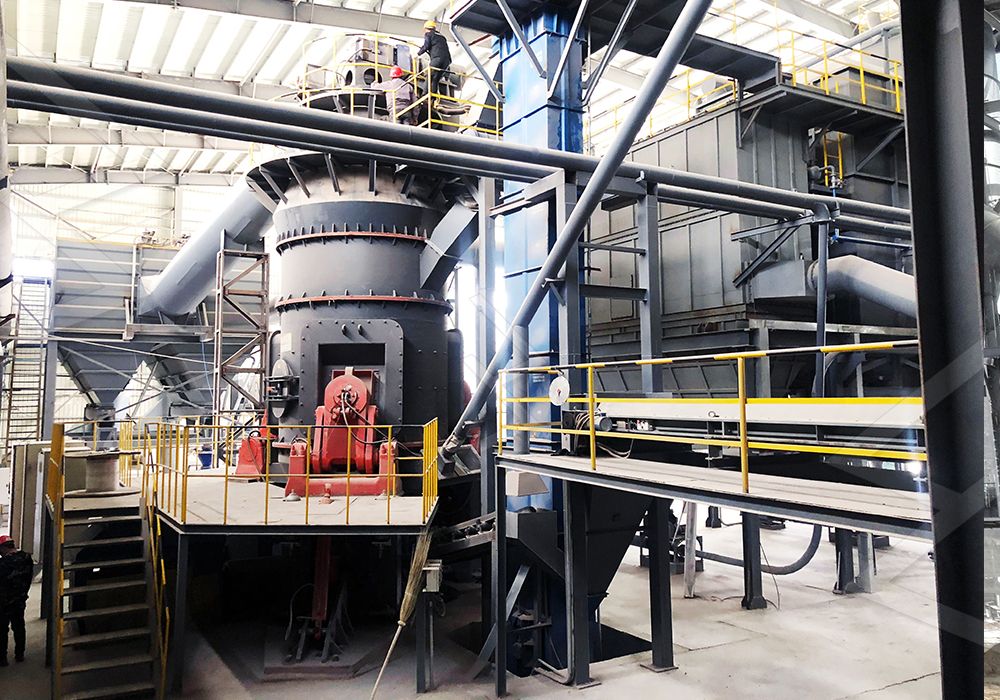
Vertical roller mills (VRMs) are engineered to address these very issues. Their design principle involves material being ground between a rotating table and stationary rollers under hydraulic pressure. For abrasive materials like river sand, this configuration offers distinct advantages:
- Reduced Metal-to-Metal Contact: The material forms a stable bed on the grinding table, cushioning the contact between roller and table liner, dramatically reducing wear.
- Integrated Drying & Grinding: Hot gas can be introduced simultaneously, efficiently removing moisture from wet sand without a separate dryer.
- Superior Energy Efficiency: VRMs consume 30-50% less energy than traditional ball mills for the same output, as grinding is achieved primarily by compression rather than impact.
- Advanced Classification: Internal, high-efficiency classifiers allow for immediate separation of fine product, preventing over-grinding and ensuring a sharp particle cut.
Tailored Solutions for Ultra-Fine Sand Powders
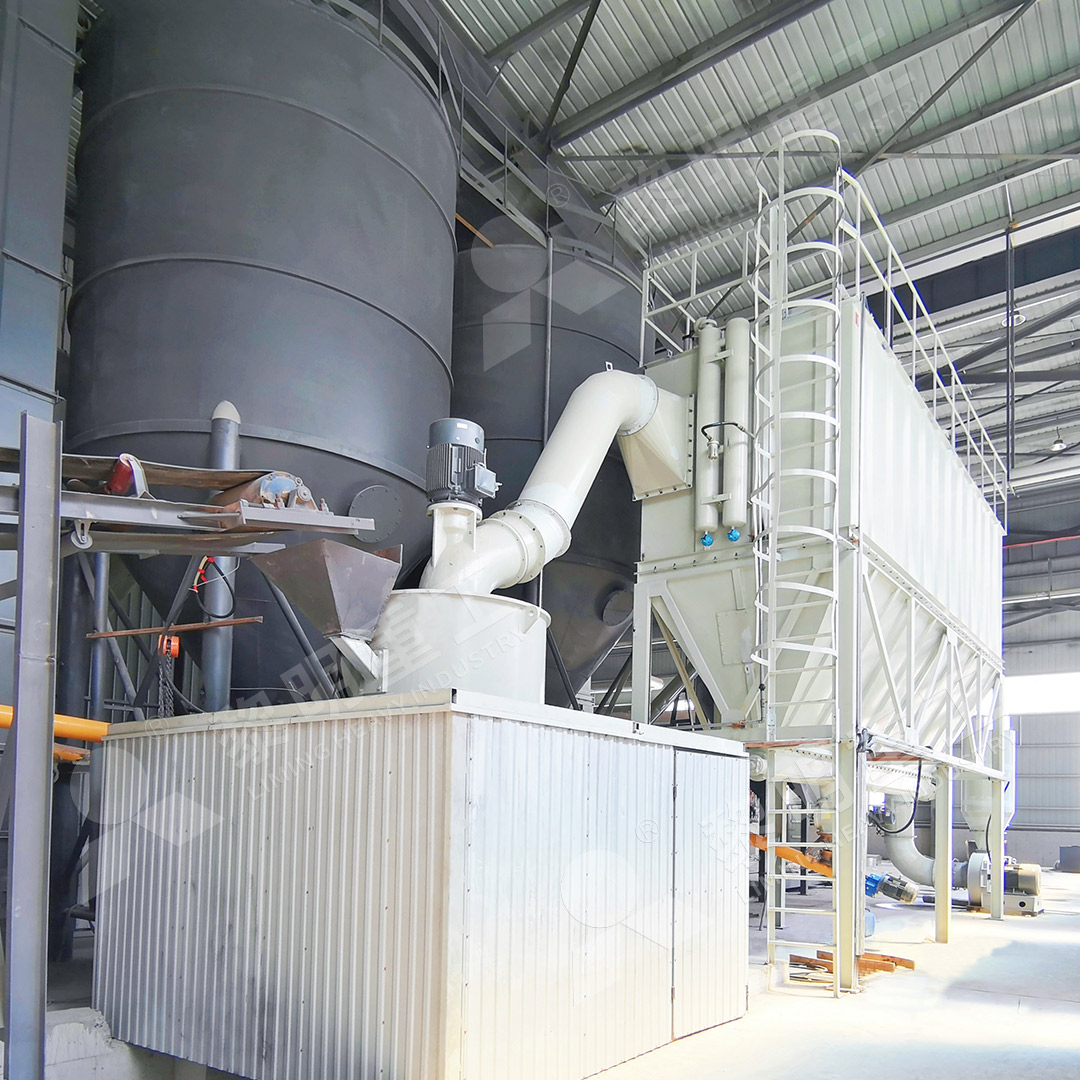
When the application demands ultra-fine silica powder beyond 325 mesh, specialized mills are required. For such high-value processing, our MW Ultrafine Grinding Mill stands out as a premier solution. Engineered for customers needing to produce ultra-fine powder from 325 to 2500 meshes, this mill is particularly effective for river sand. Its cage-type powder selector, incorporating German technology, ensures high-precision separation, achieving a screening rate of d97≤5μm in a single pass. Crucially, the grinding chamber contains no rolling bearings or screws, eliminating failure points prone to damage from abrasive silica dust. The mill is equipped with an efficient pulse dust collector and silencer, making the entire production process clean and quiet, with minimal environmental impact. With an input size of 0-20 mm and a capacity range of 0.5-25 tph, it offers remarkable flexibility for various project scales.
For operations requiring high capacity with exceptional stability for fine grinding, the LUM Ultrafine Vertical Grinding Mill is another exemplary choice. It integrates the latest grinding roller and powder separating technologies. Its unique roller shell and lining plate grinding curve are designed to easily generate a material layer, enabling a high rate of finished product from a single pass. This is critical for maintaining the whiteness and cleanliness of processed silica sand. The mill features double position-limiting technology, which protects against destructive vibration—a key consideration for consistent, long-term operation with abrasive materials. With an input size of 0-10 mm and capacity of 5-18 tph, it delivers reliable, high-quality output for demanding industrial applications.
Key Benefits for Your Operation
Implementing a modern vertical mill for river sand grinding translates to tangible operational benefits:
- Lower Total Cost of Ownership: Reduced energy consumption, lower wear rates on consumables, and minimal maintenance downtime significantly cut operational costs.
- Enhanced Product Quality: Precise particle size control, low iron contamination, and consistent gradation improve the marketability of your sand powder.
- Operational Simplicity & Safety: Fully automated control systems allow for remote operation and easy adjustment of parameters. Comprehensive sealing and negative pressure operation ensure a dust-free workplace.
- Sustainability Compliance: Low noise emissions, efficient dust collection, and reduced carbon footprint align with stringent environmental regulations and corporate sustainability goals.
Conclusion
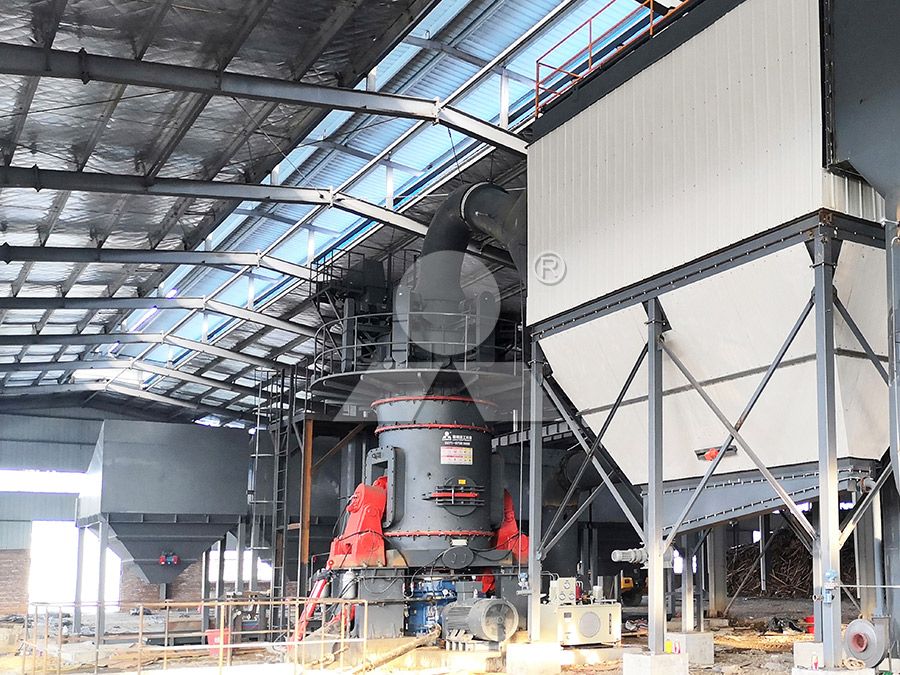
The shift to vertical mill technology for river sand grinding is no longer just an option but a strategic necessity for producers aiming for efficiency, quality, and sustainability. By leveraging the mechanical advantages of the grinding bed principle and incorporating advanced classification and control systems, these mills turn an abrasive, challenging material into a high-value, consistent product. Investing in the right grinding technology, such as the MW or LUM series mills, is an investment in the future competitiveness and environmental stewardship of your operation.
Frequently Asked Questions (FAQs)
- What is the main advantage of a vertical mill over a ball mill for grinding abrasive river sand?
The primary advantage is significantly lower wear and energy consumption. Vertical mills grind by compression on a material bed, reducing direct metal-to-abrasive contact. They typically use 30-50% less energy than ball mills for the same output. - Can vertical mills handle wet river sand?
Yes, many vertical mills, including the LM series, are designed for integrated drying and grinding. Hot gas is introduced into the mill chamber alongside the feed material, effectively drying it during the grinding process. - How fine can river sand be ground using your ultrafine mills?
Our MW Ultrafine Grinding Mill can process river sand to a fineness between 325 and 2500 meshes, with the ability to achieve a product where 97% of particles are 5 microns or smaller (d97 ≤5μm). - How is iron contamination prevented during grinding?
Our mills use several strategies: wear parts made of high-performance alloys, designs that minimize direct contact, and external lubrication systems. The LUM mill’s double position-limiting technology also prevents metal-to-metal impact that can generate contamination. - What dust control measures are integrated into the milling system?
The systems are equipped with high-efficiency pulse jet baghouse dust collectors, ensuring the entire circuit operates under negative pressure. This contains silica dust completely, meeting strict environmental and workplace safety standards. - What is the typical maintenance requirement for the grinding rollers?
Maintenance is simplified. For example, the LUM mill features a reversible structure with a hydraulic system, allowing grinding rollers to be easily swung out of the mill body for inspection or liner replacement, minimizing downtime.