
Vertical Mill for Lead Processing: Efficient Grinding Solutions
We provide a wide range of mills — including Raymond mill, trapezoidal mill, vertical mill, ultrafine mill, and ball mill, obtained ISO9001 international quality certification, EU CE certification, and Customs Union CU-TR certification. Suitable for processing minerals such as limestone, phosphate, quicklime, kaolin, talc, barite, bentonite, calcium carbonate, dolomite, coal, gypsum, clay, carbon black, slag, cement raw materials, cement clinker, and more.
The discharge range of these mills can be adjusted to meet specific processing needs, typically from 80-400 mesh, 600-3250 mesh, and can achieve the finest particle size of up to 6000 mesh(D50).
If you are looking for a reliable grinding solution to turn stone or minerals into fine powder, please feel free to contact our online customer service.
Vertical Mill for Lead Processing: Efficient Grinding Solutions
In the demanding field of lead processing and refining, achieving consistent, high-quality powder fineness is paramount for downstream applications in batteries, alloys, and radiation shielding. The grinding stage is critical, directly impacting product purity, reactivity, and overall process efficiency. Traditional grinding methods often fall short, plagued by issues of contamination, high energy consumption, and inconsistent particle size distribution. This is where advanced vertical grinding technology steps in, offering a transformative solution tailored to the specific needs of modern lead processing plants.
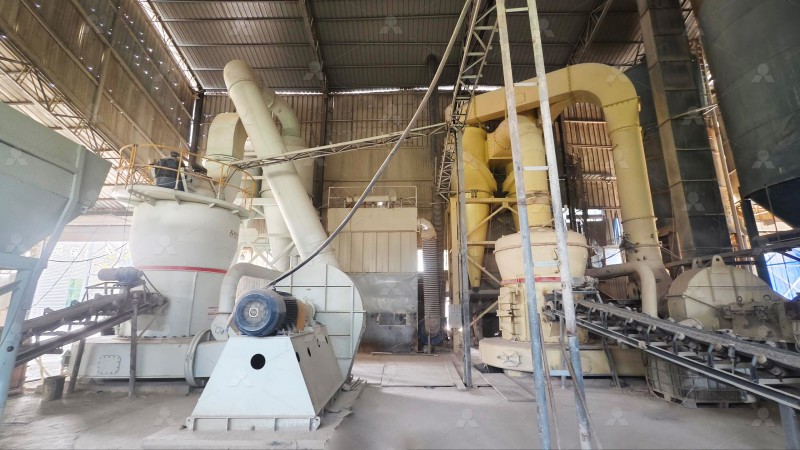
Vertical roller mills (VRMs) have revolutionized mineral processing with their compact design and integrated drying, grinding, classifying, and conveying functions. For lead-bearing materials, whether it’s lead oxide, lead concentrate, or secondary lead compounds, the vertical mill’s principle of material bed comminution between rollers and a rotating table offers distinct advantages. The process minimizes direct metal-to-metal contact, significantly reducing iron contamination—a crucial factor for maintaining lead purity. Furthermore, the ability to operate under negative pressure with integrated high-efficiency dust collectors ensures a cleaner, safer working environment by containing lead dust, a major occupational health concern.
Key Advantages of Vertical Mill Technology in Lead Processing
The core benefits of deploying a vertical mill system in a lead processing circuit are multifaceted. First and foremost is superior energy efficiency. By utilizing a material bed grinding mechanism rather than impact or attrition alone, VRMs can achieve the same fineness with 30% to 50% less energy compared to traditional ball mills. This translates to substantial operational cost savings. Secondly, precise particle size control is achieved through advanced, externally adjustable separator systems. Operators can fine-tune the fineness from coarse grind to ultra-fine powder (ranging from 325 to 2500 meshes) to meet exact product specifications without stopping the mill.
Thirdly, enhanced environmental and safety control is inherent. The closed-system design, coupled with pulse-jet baghouse filters, ensures near-zero dust emissions. This is non-negotiable in lead handling. Modern mills also feature significantly lower noise levels due to insulated mill housings and optimized mechanical design. Lastly, operational stability and low maintenance are key. Features like hydraulic roller systems for easy maintenance access, automatic lubrication, and wear-resistant alloys for grinding components extend service intervals and maximize uptime.
Selecting the Right Mill for Your Application
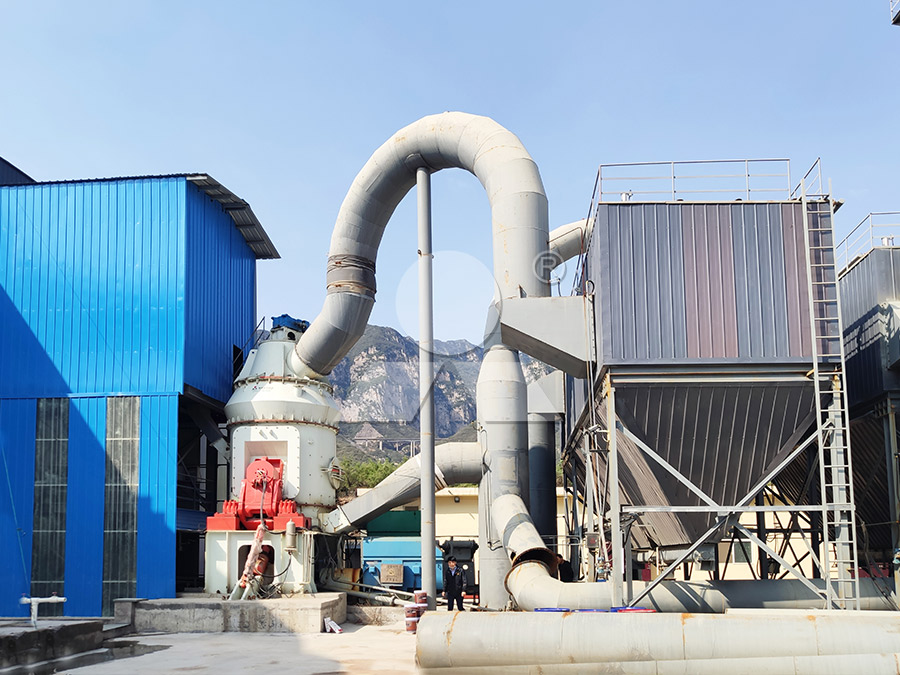
Not all vertical mills are created equal, and the choice depends heavily on the specific lead compound, required capacity, and target fineness. For high-capacity production of lead oxide or coarse lead concentrates, a robust mill like the LM Vertical Grinding Mill is an excellent choice. It handles input sizes up to 70mm and offers capacities from 3 to over 300 tph, integrating all processes in one unit with a footprint 50% smaller than a ball mill system. Its stability and strong drying capability make it suitable for various feed conditions.
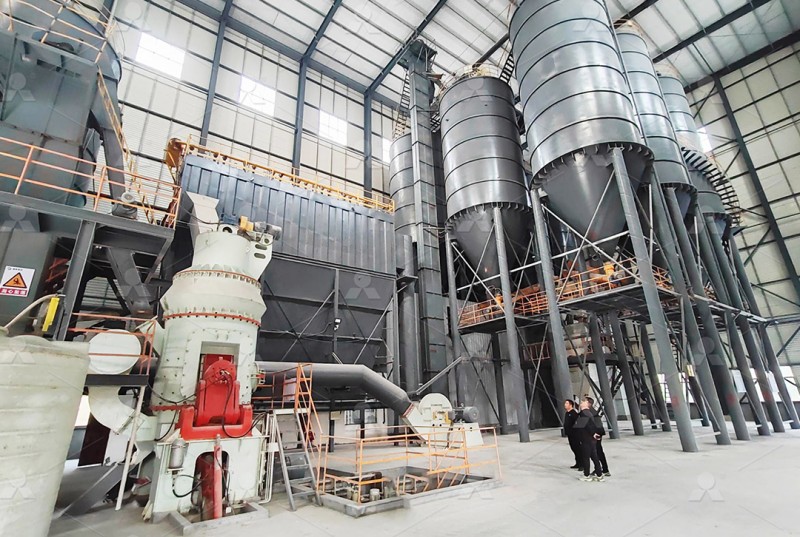
For operations demanding ultra-fine powders for specialized battery or chemical applications, the focus shifts to precision and ultra-fine grinding capability. Here, we highly recommend our LUM Ultrafine Vertical Grinding Mill. Engineered for the most demanding fine-grinding tasks, the LUM mill represents the pinnacle of our technology. It incorporates advanced features such as a multi-head powder separator with PLC control for precise cut-point adjustment and unique grinding curves for higher yield rates. Its reversible roller design allows for quick maintenance, while double position-limiting technology guarantees operational stability against vibration. With an input size of 0-10mm and a capacity range of 5-18 tph, it is perfectly suited for producing superfine, high-purity lead powders with exceptional whiteness and cleanliness.
Ensuring Long-Term Performance and Support
Investing in grinding technology is a long-term commitment. Beyond the machine itself, reliable technical support and a guaranteed supply of genuine spare parts are essential for worry-free operation. Our philosophy is to take full responsibility for every unit we produce. From initial design using digitalized, high-precision CNC machining for core parts to providing comprehensive after-sales service and original spare parts, we ensure your vertical mill continues to deliver optimal performance throughout its lifecycle, maximizing your return on investment in the competitive lead processing industry.
Frequently Asked Questions (FAQ)
1. How does a vertical mill minimize iron contamination in lead powder?
Vertical mills utilize a grinding principle where the roller and table do not make direct metal-to-metal contact during operation; they grind the material bed that forms between them. This, combined with the use of wear-resistant alloys and the absence of grinding media like steel balls, drastically reduces iron wear and contamination, preserving the purity of the lead product.
2. What is the typical fineness range achievable for lead processing with your mills?
Our mills offer a wide range. Standard vertical mills like the LM series can reliably produce powders from 80 to 325 mesh. For ultra-fine requirements, our specialized mills like the LUM Ultrafine Vertical Grinding Mill and MW Ultrafine Grinding Mill can achieve fineness between 325 and 2500 meshes (d97 ≤5μm), which is essential for advanced battery material applications.
3. How do you handle the dust control for toxic lead dust?
Our mill systems are designed as closed-circuit, negative-pressure systems. They are integrally equipped with high-efficiency pulse-jet baghouse dust collectors (like the one featured on our MW Ultrafine Grinding Mill) that capture over 99.9% of process dust. This ensures no lead dust escapes into the workshop or environment, meeting strict international environmental and safety standards.
4. What are the main maintenance points for a vertical mill in this application?
Key maintenance focuses on wear parts inspection (roller tires, table liners), the lubrication system, and the separator’s moving parts. Our designs, such as the reversible roller structure in the LUM mill and external lubrication points, are specifically made to simplify these checks and reduce downtime. Regular monitoring of vibration and bearing temperature is also part of standard preventive maintenance.
5. Can the mill handle both drying and grinding if my lead concentrate is damp?
Yes, absolutely. One of the core advantages of vertical roller mills is their integrated drying capability. Hot air is introduced into the grinding chamber, simultaneously drying and grinding the material. This eliminates the need for a separate dryer, simplifying the plant layout and reducing overall energy consumption.
6. How does the energy consumption compare to a traditional ball mill circuit?
Vertical mills are significantly more energy-efficient. Due to the efficient material bed grinding principle and integrated design, they typically consume 30% to 50% less energy than a ball mill system producing the same quantity and fineness of product, leading to substantial cost savings over time.