
Vertical Grinding Mill for Sandstone Processing: Efficiency, Precision, and Sustainability
We provide a wide range of mills — including Raymond mill, trapezoidal mill, vertical mill, ultrafine mill, and ball mill, obtained ISO9001 international quality certification, EU CE certification, and Customs Union CU-TR certification. Suitable for processing minerals such as limestone, phosphate, quicklime, kaolin, talc, barite, bentonite, calcium carbonate, dolomite, coal, gypsum, clay, carbon black, slag, cement raw materials, cement clinker, and more.
The discharge range of these mills can be adjusted to meet specific processing needs, typically from 80-400 mesh, 600-3250 mesh, and can achieve the finest particle size of up to 6000 mesh(D50).
If you are looking for a reliable grinding solution to turn stone or minerals into fine powder, please feel free to contact our online customer service.
Vertical Grinding Mill for Sandstone Processing: Efficiency, Precision, and Sustainability
In the realm of industrial mineral processing, sandstone presents a unique set of challenges. Its variable hardness, abrasive nature, and the stringent quality requirements for the final powder demand grinding equipment that is not only robust but also exceptionally precise and efficient. Traditional grinding methods often fall short, leading to high energy consumption, excessive wear, inconsistent product fineness, and significant environmental footprint. This is where modern vertical grinding mill technology steps in, offering a transformative solution specifically engineered to meet the rigorous demands of sandstone processing.
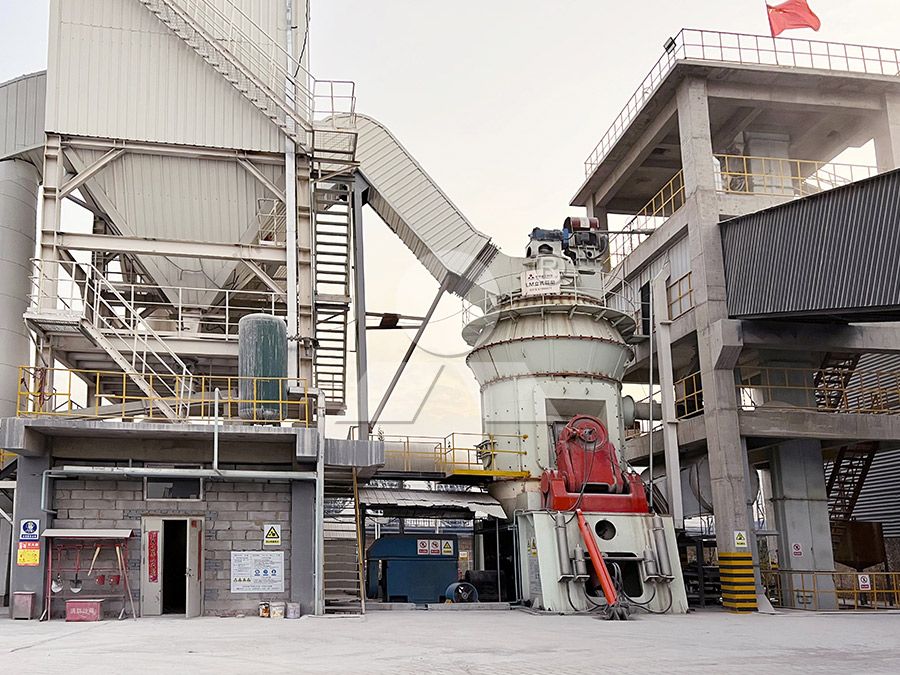
Vertical grinding mills, characterized by their compact footprint and integrated drying, grinding, classifying, and conveying functions, have revolutionized powder production. For sandstone, the advantages are particularly pronounced. The vertical design utilizes a grinding roller and table mechanism where material is ground under pressure. This method is inherently more energy-efficient than the tumbling action of ball mills, as it directly applies force to the material bed. Furthermore, the short material retention time within the grinding chamber minimizes over-grinding and reduces the iron contamination often caused by prolonged contact with metal parts—a critical factor for maintaining the purity and color of sandstone powder used in high-value applications like paints, ceramics, and polymers.
Key Technological Advancements for Superior Sandstone Milling
The evolution of vertical mill technology has been driven by several core innovations that directly address the pain points of sandstone processors. Advanced powder separators, often multi-head cage-type designs, allow for precise control over particle size distribution, enabling operators to achieve fineness ranging from coarse granules to ultra-fine powders exceeding 2500 meshes with high screening efficiency. This precision is paramount for sandstone products where particle size directly influences performance in downstream applications.
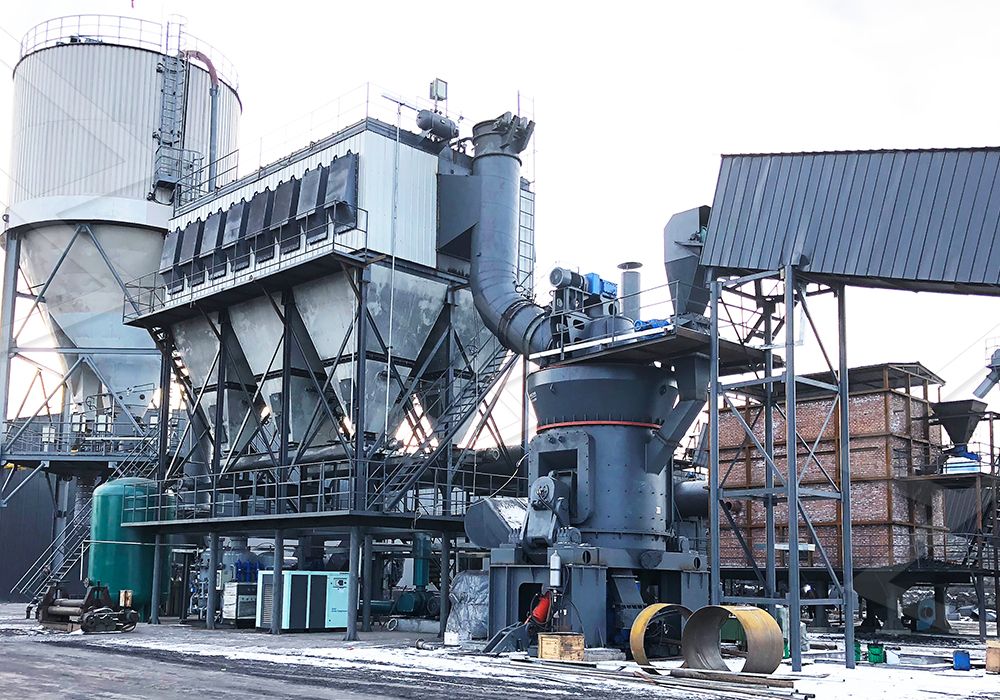
Modern systems also incorporate intelligent hydraulic systems that adjust grinding pressure in real-time, accommodating fluctuations in feed material hardness—a common occurrence with sandstone deposits. This ensures consistent product quality and protects the mill from shock loads. Perhaps most importantly, contemporary vertical mills are designed with sustainability at their core. Fully sealed negative-pressure operation, coupled with high-efficiency pulse jet baghouse dust collectors and integrated silencers, ensures that the entire milling process is virtually dust-free and operates within the strictest noise pollution standards. This eco-friendly operation is no longer a luxury but a necessity for responsible mineral processing.
Selecting the Right Mill for Your Sandstone Application
Not all sandstone processing projects are identical. The optimal vertical mill choice depends on the desired capacity, input size, and target fineness. For high-capacity production of fine sandstone powders where integrated drying is not the primary concern, the LM Vertical Grinding Mill stands out as a workhorse. It integrates crushing, drying, grinding, classifying, and conveying into a single unit, offering capacities up to 340 tph and handling input sizes as large as 70mm. Its simple, robust design and significantly lower energy consumption (30%-40% less than ball mills) make it an ideal choice for large-scale sandstone processing lines focused on efficiency and reliability.
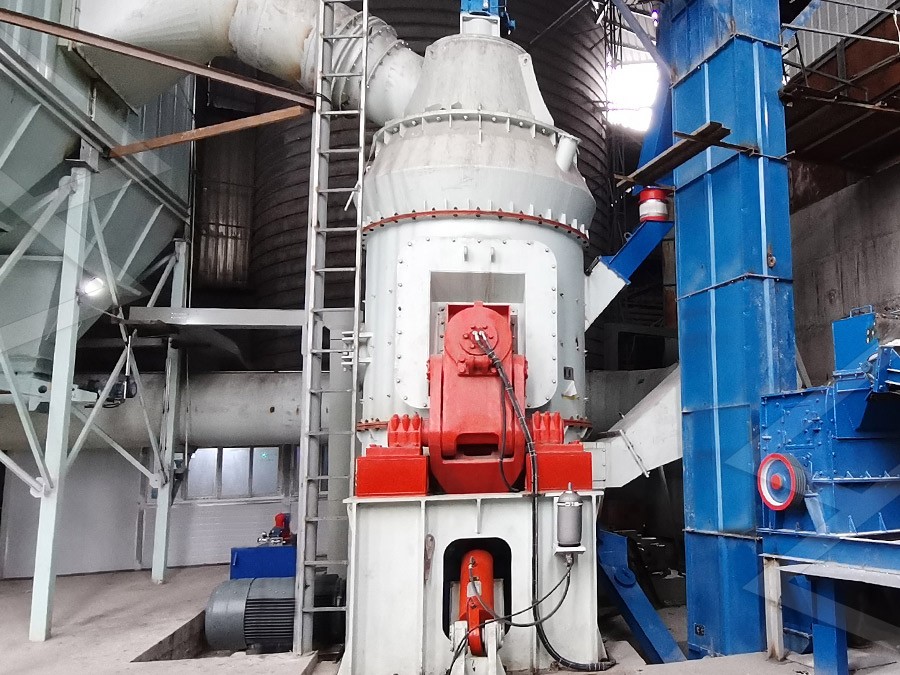
When the application calls for the production of ultra-fine, high-purity sandstone powders, the technological focus shifts to precision and product integrity. For these demanding requirements, the LUM Ultrafine Vertical Grinding Mill is engineered to excel. Independently designed with the latest grinding roller and German powder separating technology, it is a benchmark in the ultrafine powder industry. Its unique roller shell and lining plate grinding curve promotes stable material layer formation, enabling a high rate of finished product in a single pass. This minimizes repeated grinding, which is crucial for preserving the whiteness and low iron content of sandstone. The LUM mill’s reversible structure allows the heavy grinding rollers to be easily moved out for maintenance, drastically reducing downtime—a critical feature for maintaining continuous production of high-value powders.
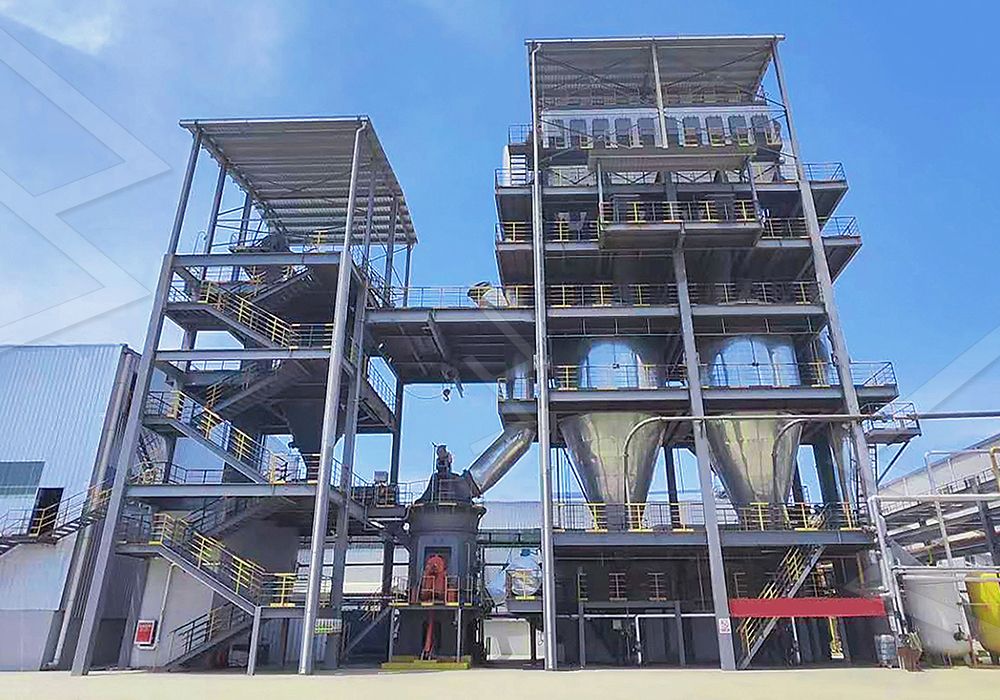
Beyond the machinery itself, successful sandstone processing hinges on a holistic partnership with the equipment supplier. This includes access to genuine spare parts, expert technical support, and comprehensive after-sales service to guarantee worry-free, long-term operation. A supplier with deep expertise in mill design and application can provide invaluable guidance, from initial plant layout to ongoing optimization, ensuring that the vertical grinding mill delivers on its promise of efficiency, quality, and environmental stewardship for your specific sandstone processing needs.
Conclusion
The transition to vertical grinding mill technology represents a strategic upgrade for sandstone processors aiming to enhance productivity, improve product quality, and reduce their operational and environmental costs. By leveraging innovations in grinding mechanics, precision classification, and automated control, these mills provide a controlled, efficient, and clean method of transforming raw sandstone into valuable, specification-grade powders. As industry standards for quality and sustainability continue to rise, investing in advanced vertical grinding technology is not merely an operational decision but a competitive imperative for the future.
Frequently Asked Questions (FAQs)
- What is the main advantage of a vertical grinding mill over a traditional ball mill for sandstone?
The primary advantages are significantly higher energy efficiency (30%-50% less power consumption), a much smaller footprint, integrated drying and classifying functions, shorter material retention time (reducing over-grinding and iron contamination), and more environmentally friendly operation with sealed, dust-free systems. - Can vertical mills handle the abrasive nature of sandstone?
Yes, modern vertical mills like the LM and LUM series are designed with this in mind. Critical wear parts such as grinding rollers and tables are made from advanced wear-resistant alloys, often with service lives 1.7-2.5 times longer than traditional materials. Their design also allows for easier maintenance and part replacement to manage wear. - What fineness range can be achieved for sandstone powder with these mills?
Depending on the model and configuration, vertical mills can produce sandstone powder across a wide spectrum. Standard models reliably achieve 325-2500 meshes. Advanced ultrafine models with high-precision separators can achieve even finer cuts, with screening rates up to d97 ≤ 5μm, suitable for the most demanding industrial applications. - How is dust control managed during the grinding process?
Vertical mills operate under negative pressure in a fully sealed system. They are equipped with high-efficiency pulse jet baghouse dust collectors that capture over 99.9% of airborne particles. This ensures no dust spillage into the workshop, making the operation clean and compliant with strict environmental regulations. - Is the automation level high for these grinding systems?
Absolutely. Contemporary vertical grinding mills feature expert-level automatic control systems (often PLC-based) that allow for remote and local control. Operators can accurately monitor and adjust parameters like grinding pressure, classifier speed, and feed rate to maintain consistent product quality and optimize performance with minimal manual intervention. - What kind of after-sales support is typically available?
Reputable manufacturers provide comprehensive support, including installation supervision, operator training, a guaranteed supply of original spare parts, and ongoing technical service. This ensures maximum uptime, optimal performance throughout the mill’s lifecycle, and genuine worry-free operation.