
Vertical Grinding Mill for Hematite Ore Processing
We provide a wide range of mills — including Raymond mill, trapezoidal mill, vertical mill, ultrafine mill, and ball mill, obtained ISO9001 international quality certification, EU CE certification, and Customs Union CU-TR certification. Suitable for processing minerals such as limestone, phosphate, quicklime, kaolin, talc, barite, bentonite, calcium carbonate, dolomite, coal, gypsum, clay, carbon black, slag, cement raw materials, cement clinker, and more.
The discharge range of these mills can be adjusted to meet specific processing needs, typically from 80-400 mesh, 600-3250 mesh, and can achieve the finest particle size of up to 6000 mesh(D50).
If you are looking for a reliable grinding solution to turn stone or minerals into fine powder, please feel free to contact our online customer service.
Vertical Grinding Mill for Hematite Ore Processing
Hematite ore, one of the most abundant iron minerals, demands precise processing to achieve the required fineness and liberation characteristics for downstream applications. Traditional grinding methods often fall short in efficiency and environmental compliance, making advanced vertical grinding technology increasingly essential in modern mineral processing operations.
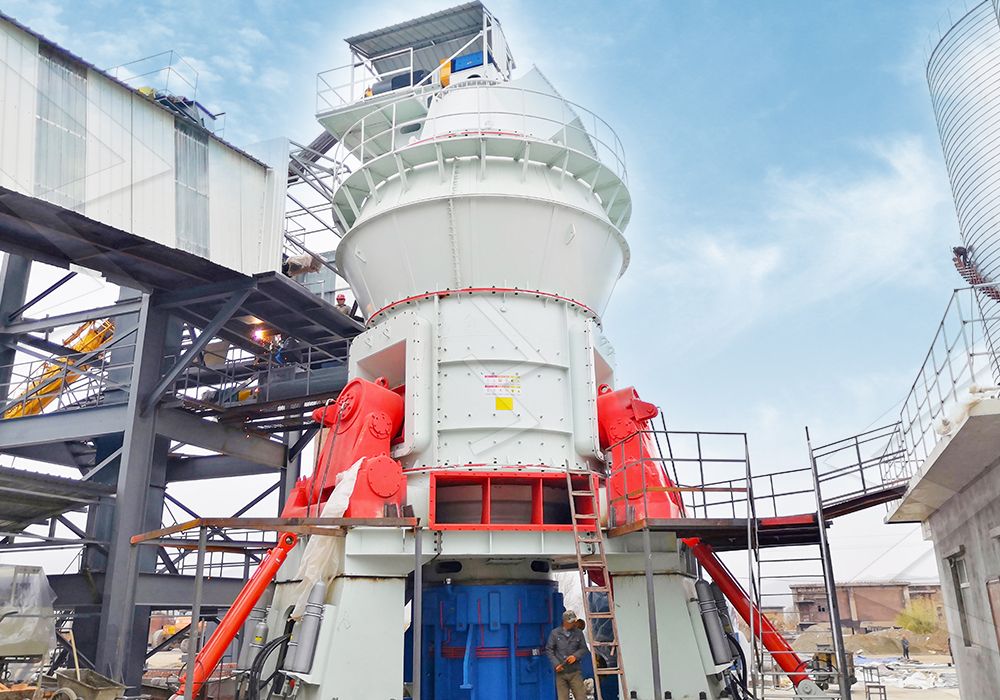
The unique physical properties of hematite – including its relatively high density and moderate hardness – present specific challenges for grinding operations. Conventional ball mills often result in overgrinding, high energy consumption, and excessive wear on grinding media. Vertical grinding mills address these issues through their innovative design and operating principles.
Technical Advantages for Hematite Applications
Vertical grinding technology offers several distinct benefits for hematite processing. The material bed grinding principle, where particles are crushed between the grinding rollers and the rotating table, provides more efficient size reduction with lower specific energy consumption. This method minimizes direct metal-to-metal contact, reducing iron contamination in the final product – a critical consideration for hematite concentrate quality.
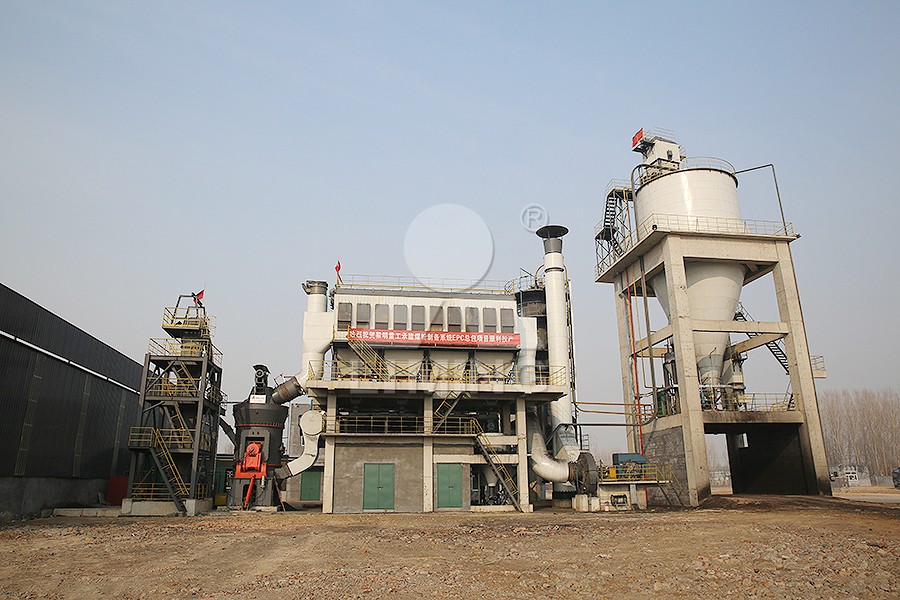
The integrated drying capability of vertical mills is particularly valuable for hematite operations, as many deposits require moisture reduction during processing. Hot gas introduced through the mill base simultaneously dries and transports the ground material, eliminating the need for separate drying equipment and reducing overall plant footprint.
Recommended Equipment for Hematite Processing
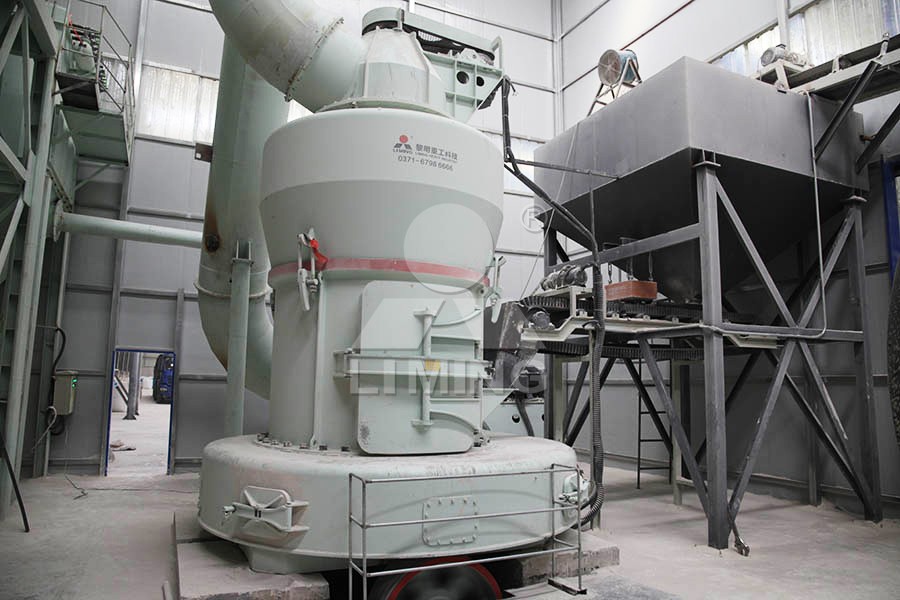
For operations requiring ultra-fine hematite powders for specialized applications, our MW Ultrafine Grinding Mill represents an optimal solution. With an input size capability of 0-20 mm and capacity ranging from 0.5-25 tph, this machine delivers exceptional performance for hematite processing. The MW series achieves adjustable fineness between 325-2500 meshes, making it suitable for various hematite product specifications.
The MW Ultrafine Grinding Mill incorporates several proprietary technologies that benefit hematite processing. The absence of rolling bearings and screws in the grinding chamber eliminates concerns about bearing damage or loose screw-related failures. The external lubrication system enables continuous 24-hour operation – crucial for maintaining consistent hematite processing operations.
Operational Efficiency and Environmental Compliance
Modern vertical grinding mills significantly reduce the environmental impact of hematite processing. Efficient pulse dust collectors ensure no dust pollution during operation, while silencers and noise elimination rooms maintain workplace noise at acceptable levels. The MW series specifically operates in full compliance with national environmental protection standards, addressing growing regulatory requirements in mining regions.
Energy efficiency represents another critical advantage. Compared to traditional jet grinding mills, the MW Ultrafine Grinding Mill reduces system energy consumption by approximately 30%, while achieving 40% higher production capacity at the same fineness and power levels. This efficiency translates directly to lower operating costs for hematite processing facilities.
FAQ
What makes vertical grinding mills superior to ball mills for hematite processing?
Vertical grinding mills offer 30-40% lower energy consumption, reduced iron contamination, integrated drying capability, and smaller footprint compared to traditional ball mills. The material bed grinding principle provides more efficient size reduction with less overgrinding.
Can vertical grinding mills handle varying hematite ore characteristics?
Yes, modern vertical mills like the MW series feature adjustable grinding pressure and separator speed, allowing operators to optimize performance for different hematite hardness, moisture content, and feed size variations.
What product fineness can be achieved with the MW Ultrafine Grinding Mill for hematite?
The MW series can produce hematite powders ranging from 325 to 2500 meshes, with the capability to achieve d97≤5μm in a single pass. The German-technology cage-type powder selector ensures precise particle size control.
How does the maintenance requirement compare between vertical and traditional grinding mills?
Vertical mills typically require less maintenance due to designs like the MW’s external lubrication system and absence of internal rolling bearings. The reversible structure of some models allows easy roller maintenance without major disassembly.
What environmental benefits do vertical grinding mills provide?
These mills operate under negative pressure with efficient dust collection systems, eliminating dust emissions. Noise reduction technologies and lower energy consumption further minimize environmental impact, supporting sustainable hematite processing operations.