
Vertical Coal Mill Supplier in China: A Comprehensive Guide
We provide a wide range of mills — including Raymond mill, trapezoidal mill, vertical mill, ultrafine mill, and ball mill, obtained ISO9001 international quality certification, EU CE certification, and Customs Union CU-TR certification. Suitable for processing minerals such as limestone, phosphate, quicklime, kaolin, talc, barite, bentonite, calcium carbonate, dolomite, coal, gypsum, clay, carbon black, slag, cement raw materials, cement clinker, and more.
The discharge range of these mills can be adjusted to meet specific processing needs, typically from 80-400 mesh, 600-3250 mesh, and can achieve the finest particle size of up to 6000 mesh(D50).
If you are looking for a reliable grinding solution to turn stone or minerals into fine powder, please feel free to contact our online customer service.
Vertical Coal Mill Supplier in China: A Comprehensive Guide
China’s industrial sector relies heavily on efficient and reliable grinding equipment, particularly for processing coal in power generation, cement production, and steel manufacturing. As a leading supplier in this field, we understand the critical need for mills that offer high productivity, energy efficiency, and environmental compliance. The right vertical coal mill can significantly impact your operational costs and product quality.
Why Choose a Vertical Coal Mill?
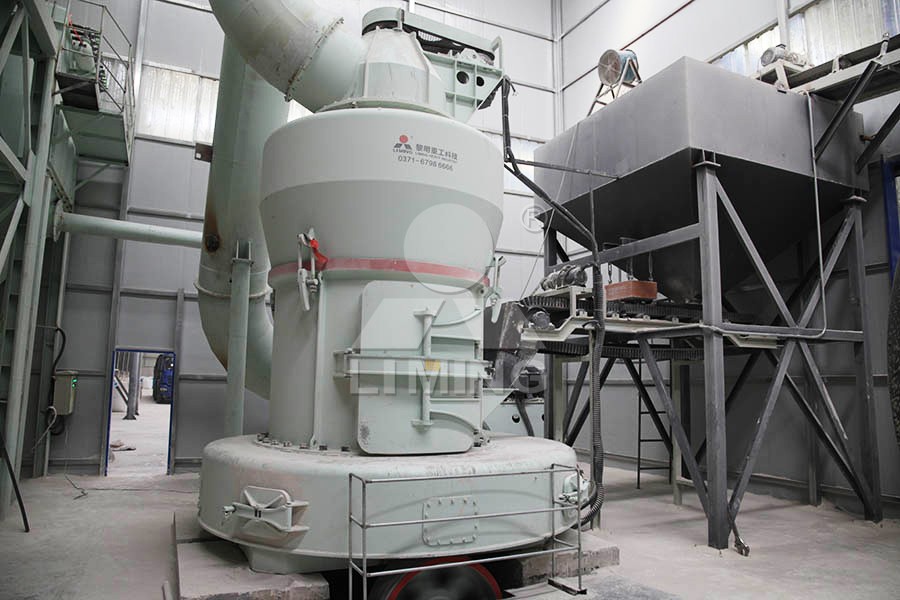
Vertical coal mills have become the preferred choice over traditional ball mills for several key reasons. They integrate crushing, drying, grinding, classification, and conveying into a single unit, resulting in a compact footprint—often 50% smaller than ball mill systems. This integration leads to lower overall investment costs. Furthermore, their design allows for operation under negative pressure, ensuring no dust spillage and a cleaner working environment. Energy consumption is another critical advantage, with vertical mills typically saving 30%-40% on power compared to ball mills, thanks to more efficient grinding principles and reduced mechanical losses.
Key Considerations When Selecting a Mill
Selecting the appropriate mill requires careful analysis of your specific needs. Key parameters include input size (typically ranging from 0-50mm for vertical mills), required capacity (from a few tons to over 100 tons per hour), and the desired fineness of the final coal powder. The moisture content of the raw coal is also crucial, as modern vertical mills can simultaneously dry and grind material, eliminating the need for a separate dryer. Other factors include the abrasiveness of the coal, which affects wear part life, and the level of automation desired for process control and operational ease.
Our Recommended Solution: The LM Vertical Coal Mill
Based on years of engineering expertise and feedback from the market, our LM Vertical Coal Mill stands out as a robust and intelligent solution for modern coal grinding applications. It is designed to handle capacities from 5 to 100 tons per hour with an input size of less than 50mm.
This mill is engineered for simple and reliable operation. It features a unique limiting device that prevents direct contact between the grinding roller and the grinding table, avoiding severe vibration and potential damage. For maintenance, a hydraulic roller turning-out device allows the grinding roller to be completely turned out of the machine, providing ample space for easy and quick replacement of wear parts like roller shells and liner plates, drastically reducing downtime.
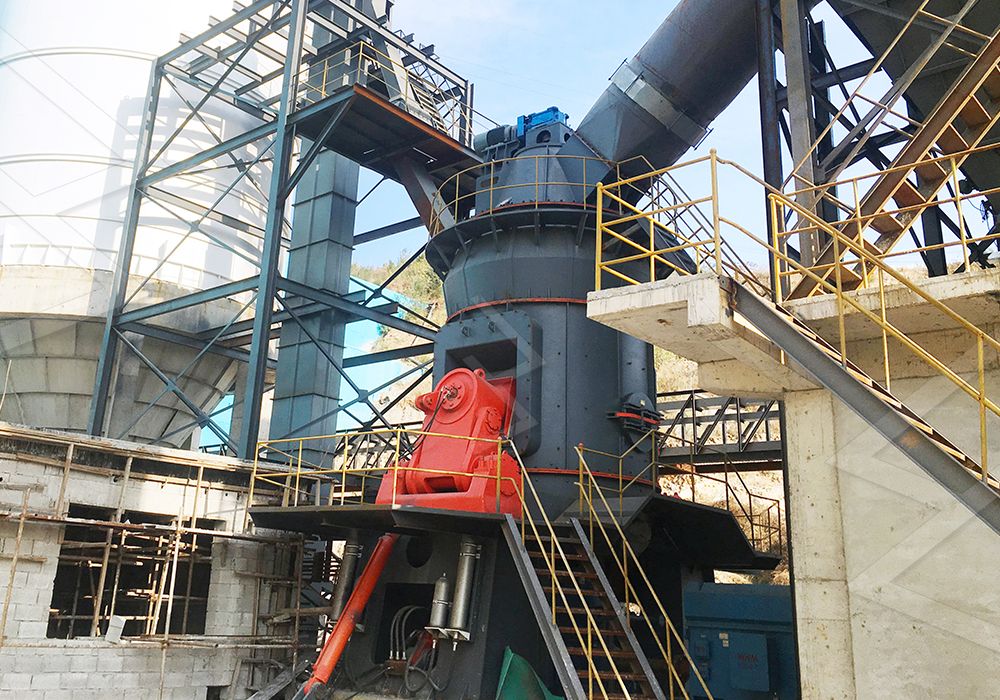
The LM Vertical Coal Mill boasts high grinding efficiency, saving 40%-50% in power consumption compared to traditional ball mills. Its special structure design, including large-diameter grinding rollers and a large grinding area, is complemented by a hydraulic automatic pressure system that optimizes the grinding force. This results in stable product quality with a narrow particle size distribution and uniform particle shape, which is essential for efficient combustion in kilns and boilers.
Furthermore, the entire system operates under negative pressure, ensuring no dust overflow and a clean plant environment. The grinding process is also notably quiet due to the non-contact operation of the roller and table. With a high degree of automation, the mill can be easily controlled remotely, making operation straightforward and energy-efficient.
Applications Beyond Coal
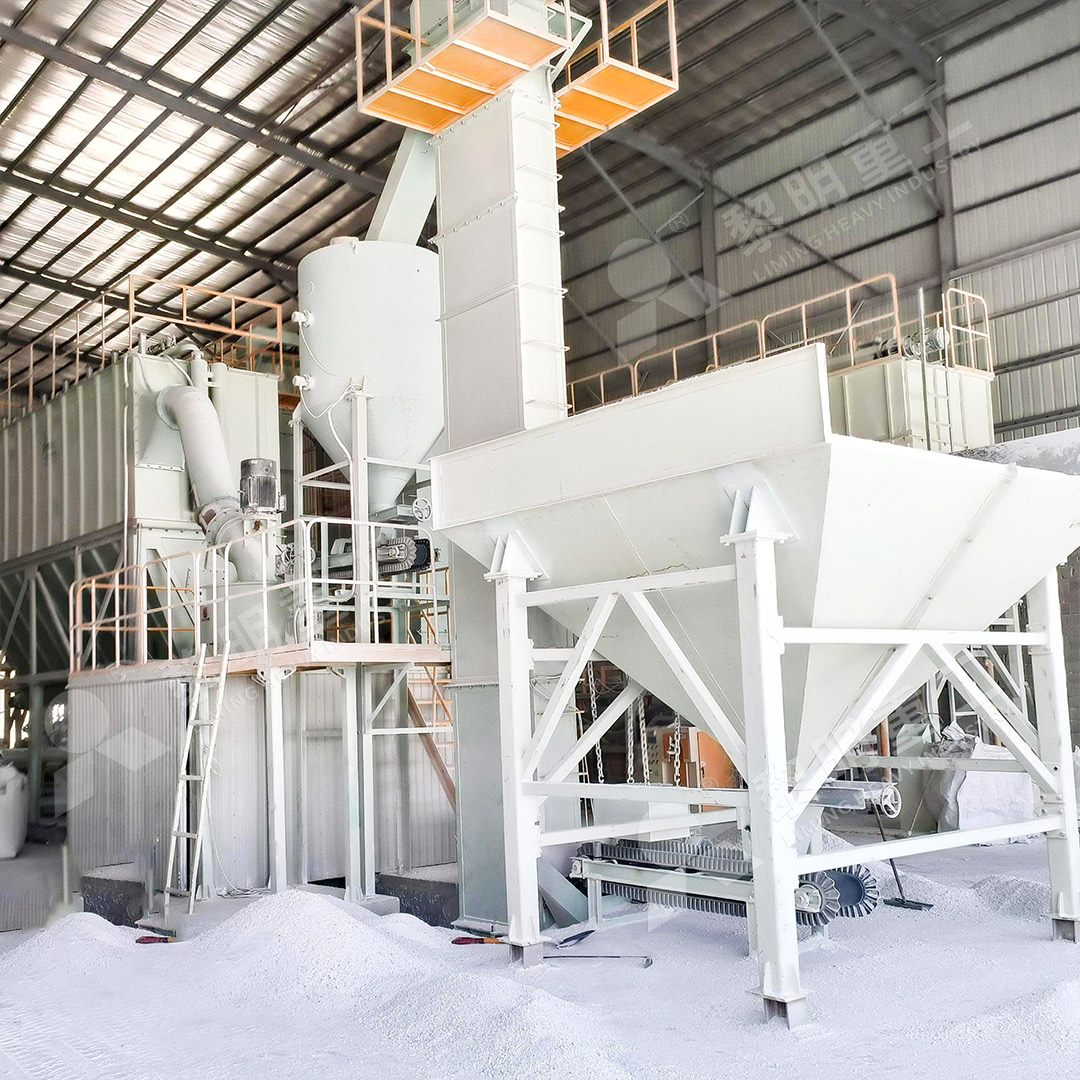
While excellling in coal grinding, the principles of vertical roller mills make them suitable for a wider range of materials. For operations requiring ultra-fine powders, our MW Ultrafine Grinding Mill is an exceptional choice. It is perfect for processing limestone, calcite, dolomite, petroleum coal, gypsum, and talc into powders ranging from 325 to 2500 meshes. Its higher yield and lower energy consumption—40% higher capacity than jet mills—make it ideal for chemical, paint, and cosmetics industries where fine, consistent powder is paramount.
Conclusion
Choosing the right vertical coal mill supplier is a strategic decision that affects your plant’s profitability and sustainability. By focusing on technology that offers energy savings, operational stability, and minimal environmental impact, you can future-proof your operations. We are committed to providing not just equipment, but comprehensive solutions backed by technical support and genuine spare parts, ensuring your grinding operations run smoothly and efficiently for years to come.