
Used Stone Mills for Gold Extraction: How Traditional Methods Still Work Today
We provide a wide range of mills — including Raymond mill, trapezoidal mill, vertical mill, ultrafine mill, and ball mill, obtained ISO9001 international quality certification, EU CE certification, and Customs Union CU-TR certification. Suitable for processing minerals such as limestone, phosphate, quicklime, kaolin, talc, barite, bentonite, calcium carbonate, dolomite, coal, gypsum, clay, carbon black, slag, cement raw materials, cement clinker, and more.
The discharge range of these mills can be adjusted to meet specific processing needs, typically from 80-400 mesh, 600-3250 mesh, and can achieve the finest particle size of up to 6000 mesh(D50).
If you are looking for a reliable grinding solution to turn stone or minerals into fine powder, please feel free to contact our online customer service.
Used Stone Mills for Gold Extraction: How Traditional Methods Still Work Today
For centuries, the quest for gold has driven innovation in mineral processing. Long before the advent of modern machinery, civilizations relied on robust, simple, and effective stone mills to liberate the precious metal from ore. These traditional methods, often seen as relics of the past, continue to hold relevance today, particularly in artisanal and small-scale mining operations across the globe. The fundamental principle remains unchanged: crushing and grinding rock to a fine powder to expose gold particles for subsequent recovery.
The Enduring Legacy of the Arrastra and Chilean Mill
The most iconic traditional mills are the Arrastra and the Chilean (Edge) Mill. The Arrastra, of Spanish origin, used a drag stone attached to a central pole that was rotated by animal or human power, grinding ore against a flat stone floor. The Chilean Mill improved on this design by utilizing two or more large, heavy stone wheels attached to a central vertical post, which rolled in a circular stone basin. The sheer weight of the stones did the crushing. 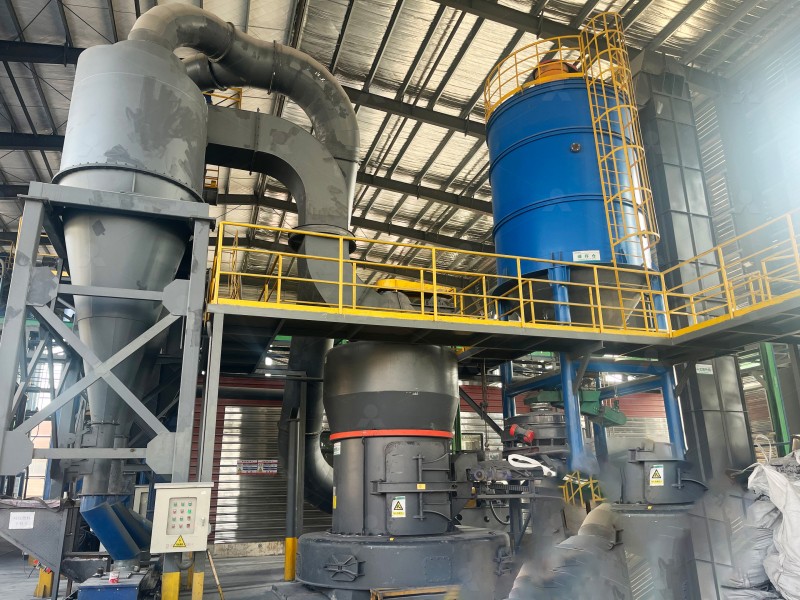 . While effective, these methods were incredibly laborious, time-consuming, and offered limited throughput and fineness control compared to today’s standards.
Bridging Tradition and Technology
The core objective of these ancient mills—efficient comminution—is precisely the goal of modern grinding equipment. Today’s technology has transformed this process, achieving unparalleled levels of efficiency, fineness, and environmental control. Operations that still utilize or are inspired by traditional methods can achieve dramatically better results by integrating modern vertical or trapezium mills.
For those processing minerals where ultra-fine grinding is paramount for maximum gold recovery—such as in refractory ores where gold is locked within sulfide minerals—a modern solution is critical. This is where a mill like our MW Ultrafine Grinding Mill excels. It is engineered for customers requiring ultra-fine powder between 325-2500 meshes. With a capacity of 0.5-25 tph and handling feed sizes up to 20mm, it is a powerhouse of efficiency. Its higher yield and lower energy consumption (40% higher capacity than jet mills) make it a sustainable and cost-effective choice. The integrated efficient pulse dust collector and muffler ensure the operation meets modern environmental standards, a significant leap from the dusty, noisy operations of historical stone mills. 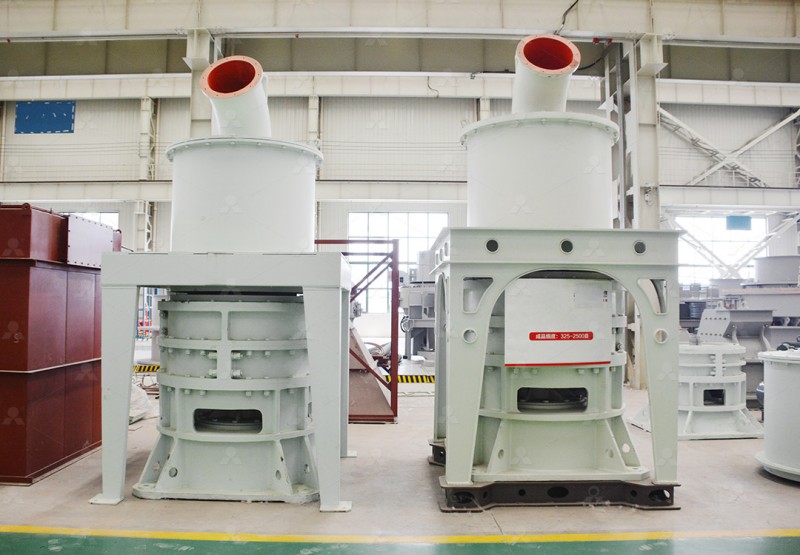
A Robust Workhorse for Consistent Grinding
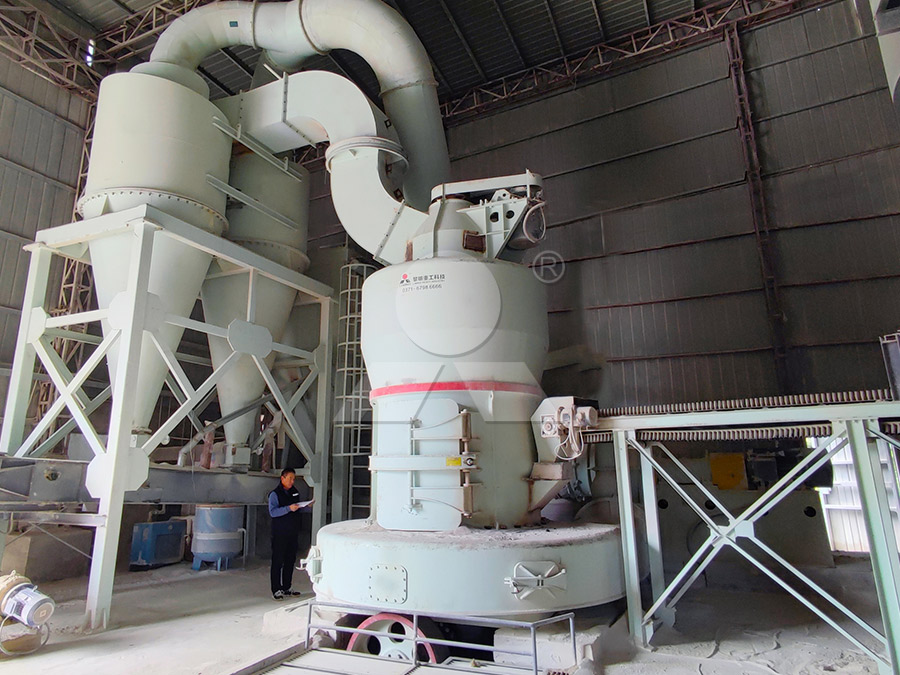
For operations requiring robust and reliable performance on a larger scale, the MTW European Trapezium Grinding Mill is an exceptional choice. It builds on the classic roller-and-ring grinding concept but enhances it with advanced technology like a bevel gear overall drive and an inner automatic thin-oil lubricating system. With an input size of 0-50mm and capacity ranging from 3-55 tph, it handles a wide variety of materials with ease. Its split-type shovel blade and cambered air duct design significantly improve production efficiency and reduce energy consumption, offering the reliability of a traditional design with the performance of a modern machine.
Conclusion: Honoring the Past, Embracing the Future
The stone mills of history were marvels of their time, laying the groundwork for the advanced extractive metallurgy we practice today. While they symbolize the enduring human determination to extract value from the earth, modern grinding mills represent the evolution of that principle—delivering precision, power, and environmental responsibility. By understanding traditional methods, we appreciate the engineering progress that allows us to process minerals more effectively than ever before.
Frequently Asked Questions (FAQ)
- Can you still use traditional stone mills for gold extraction today?
- Yes, primarily in very remote, small-scale, or historical demonstration contexts. However, they are vastly inefficient and environmentally unregulated compared to modern equipment.
- What is the main advantage of modern grinding mills over traditional ones?
- The primary advantages are drastically increased throughput (tons per hour), precise control over product fineness (critical for gold liberation), significantly lower energy consumption per ton of ore, and integrated environmental controls for dust and noise.
- What does ‘fineness of 325-2500 meshes’ mean?
- Mesh refers to the number of openings in a screen per linear inch. A higher mesh number indicates a finer powder. 325 mesh is about 44 microns, while 2500 mesh is extremely fine, around 5 microns. This ultra-fine grinding is essential for unlocking gold from stubborn ores.
- Are modern grinding mills difficult to maintain?
- No. Mills like our MW Series are designed for worry-free operation. Features like external lubrication systems and the absence of rolling bearings in the grinding chamber specifically reduce maintenance needs and prevent downtime.
- How important is dust collection in a grinding operation?
- Extremely important. It is crucial for operator health, safety (preventing silicosis), and environmental compliance. Modern mills come with integrated high-efficiency pulse dust collectors, making them clean and safe to operate.