
Used Maize Grinding Mill Plant for Sale – Complete Milling Solutions
We provide a wide range of mills — including Raymond mill, trapezoidal mill, vertical mill, ultrafine mill, and ball mill, obtained ISO9001 international quality certification, EU CE certification, and Customs Union CU-TR certification. Suitable for processing minerals such as limestone, phosphate, quicklime, kaolin, talc, barite, bentonite, calcium carbonate, dolomite, coal, gypsum, clay, carbon black, slag, cement raw materials, cement clinker, and more.
The discharge range of these mills can be adjusted to meet specific processing needs, typically from 80-400 mesh, 600-3250 mesh, and can achieve the finest particle size of up to 6000 mesh(D50).
If you are looking for a reliable grinding solution to turn stone or minerals into fine powder, please feel free to contact our online customer service.
Unlock Value with a Pre-Owned Maize Milling Plant
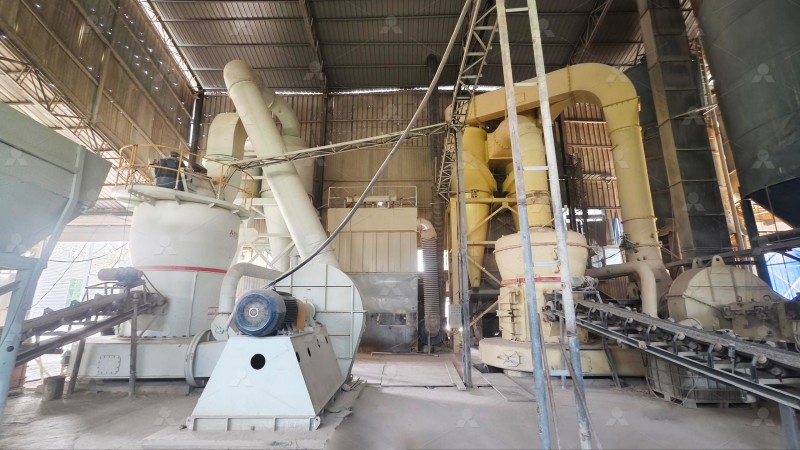
For businesses looking to enter or expand in the agro-processing industry without the capital outlay for a brand-new facility, a high-quality used maize grinding mill plant presents an exceptional opportunity. A well-maintained used plant can deliver performance nearly on par with a new one, offering a faster return on investment and immediate production capacity. The key is to source equipment from reputable manufacturers known for durability and to have it thoroughly inspected by experts.
What to Look For in a Used Milling Plant
Not all used equipment is created equal. A prudent buyer should prioritize plants that feature robust construction, easy-to-source spare parts, and a design focused on energy efficiency and minimal maintenance. Critical components to evaluate include the grinding mechanism, the pneumatic conveying system, sifters, filters, and the control panel. Opting for a plant from a technological leader ensures that even older models incorporate advanced design principles that stand the test of time.
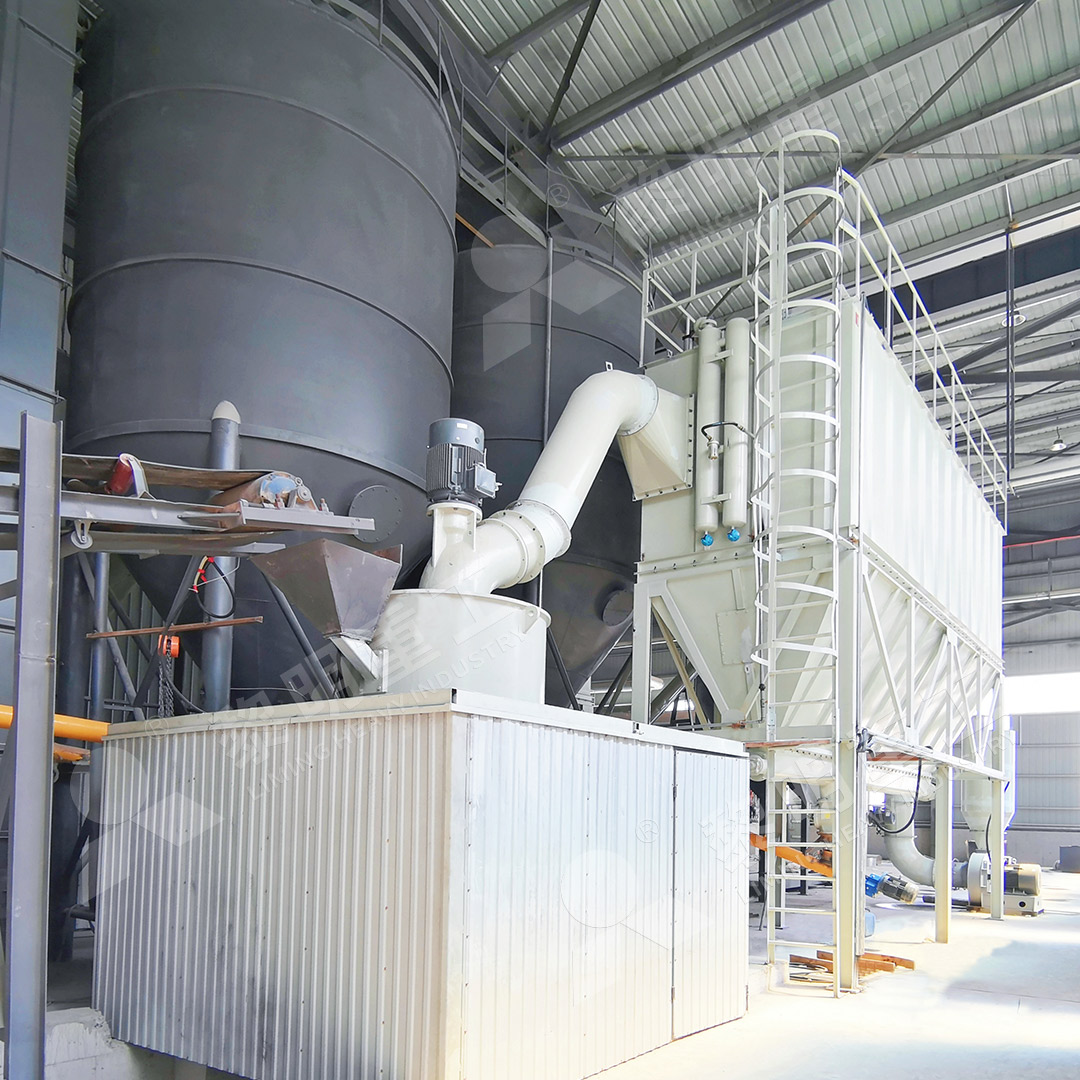
For operations that require ultra-fine maize flour for specialized food products or other applications, the grinding mill is the heart of the plant. We often recommend considering a used plant that can be retrofitted with a modern, high-efficiency mill to boost performance. For instance, integrating a unit like our MW Ultrafine Grinding Mill into an existing circuit can dramatically increase output and product quality. This mill is engineered for customers needing to make ultra-fine powder, handling inputs up to 20mm with a capacity range of 0.5-25 tph. It’s equipped with an efficient pulse dust collector and muffler, making the entire production process cleaner and quieter, with minimal environmental impact. Its higher yielding and lower energy consumption profile means you process more maize with less power.
Another Excellent Milling Solution
For operations with space constraints or those processing slightly different materials alongside maize, a vertical grinding mill is a superb choice. Our LUM Ultrafine Vertical Grinding Mill is another standout option, ideal for achieving precise top-size control. Independently designed with the latest grinding roller and powder separating technology, it integrates grinding, grading, and transporting into a single, compact unit. With an input size of 0-10mm and a capacity of 5-18 tph, it excels in producing superfine dry powders efficiently and reliably.
Maximizing Your Investment
Purchasing a used plant is just the first step. Partnering with a supplier that offers comprehensive technical support, genuine spare parts, and potential upgrade pathways is crucial for long-term, worry-free operation. Ensure the seller provides a complete history of the equipment and is transparent about any refurbishments or replacements that have been made.
Frequently Asked Questions (FAQ)
Q: What is the typical capacity range for a used maize grinding mill plant?
A: Capacity can vary widely based on the model and configuration of the plant. Smaller operations may run at 3-5 tons per hour (tph), while larger, industrial plants can process 20-50 tph or more. It’s essential to match the plant’s capacity with your current and projected future needs.
Q: How can I ensure the used equipment is still reliable?
A: Always request a detailed service history and maintenance log. If possible, have an independent engineer inspect the critical wear parts like grinding rollers, rings, and bearings. Choosing equipment from renowned manufacturers known for building durable machinery significantly reduces risk.
Q: Are spare parts readily available for older models?
A: This depends greatly on the original manufacturer. Reputable companies often maintain a sufficient supply of spare parts for many years, even for older models. It’s a critical question to ask the seller before purchase.
Q: Can the plant be upgraded for better efficiency or new products?
A: In many cases, yes. Key components like the grinding mill, sifters, or dust collection systems can often be upgraded to newer, more efficient technology without replacing the entire plant structure and conveying system, thus enhancing performance and product range.