
Used Complete Ball Mill Plant for Sale: A Comprehensive Guide
We provide a wide range of mills — including Raymond mill, trapezoidal mill, vertical mill, ultrafine mill, and ball mill, obtained ISO9001 international quality certification, EU CE certification, and Customs Union CU-TR certification. Suitable for processing minerals such as limestone, phosphate, quicklime, kaolin, talc, barite, bentonite, calcium carbonate, dolomite, coal, gypsum, clay, carbon black, slag, cement raw materials, cement clinker, and more.
The discharge range of these mills can be adjusted to meet specific processing needs, typically from 80-400 mesh, 600-3250 mesh, and can achieve the finest particle size of up to 6000 mesh(D50).
If you are looking for a reliable grinding solution to turn stone or minerals into fine powder, please feel free to contact our online customer service.
Used Complete Ball Mill Plant for Sale: A Comprehensive Guide
For many operations in mining, construction materials, and chemical processing, the acquisition of a complete ball mill plant represents a significant capital investment. While new equipment offers the latest features, a high-quality used complete ball mill plant can provide exceptional value, delivering robust performance at a fraction of the cost. This guide explores the key considerations when evaluating such an opportunity.
Understanding the Ball Mill System
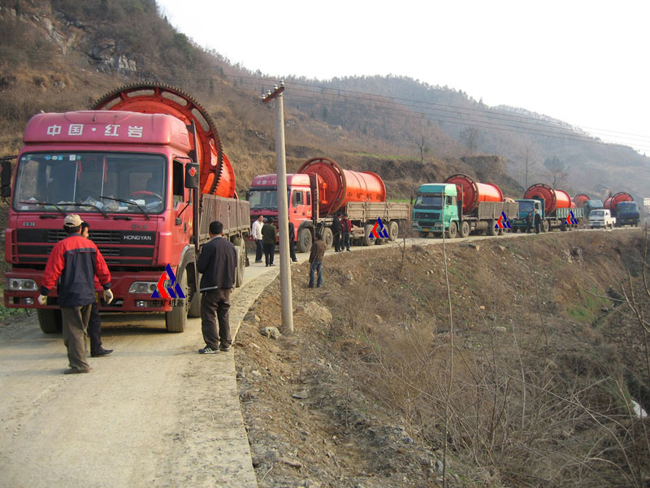
A complete ball mill plant is more than just the mill itself. It is an integrated system typically comprising the ball mill, a feed mechanism (like a vibrating feeder or conveyor), a primary crusher for size reduction, a classifier for product separation, and dust collection equipment. The hallmark of a ball mill is its simplicity and reliability. It operates by tumbling grinding media—usually steel or ceramic balls—inside a rotating cylindrical shell to reduce material size through impact and attrition.
Key Advantages of a Used Plant
The primary advantage is cost savings. A used plant can be 30-50% less expensive than a comparable new system. Furthermore, lead times are drastically reduced, allowing for quicker project commissioning. For standard applications where cutting-edge efficiency is not the sole priority, a well-maintained used ball mill plant offers a proven, dependable solution.
Critical Due Diligence Before Purchase
Before committing to a purchase, a thorough inspection is non-negotiable. Key areas to assess include:
- Mechanical Integrity: Inspect the mill shell, liners, and girth gear for wear, cracks, or corrosion.
- Drive System: Check the motor, reducer, and pinion gear for proper alignment and signs of wear.
- Electrical Components: Ensure control panels, starters, and wiring are in good condition and meet local safety standards.
- Auxiliary Equipment: Verify the condition of feeders, classifiers, and dust collectors.
- Operational History: Request maintenance logs to understand the plant’s service life and any past issues.
When to Consider a Modern Alternative
While a used ball mill is an excellent choice for many, certain operational goals may necessitate newer technology. If your project demands ultra-fine powders (finer than 325 mesh), significantly lower energy consumption, or a smaller physical footprint, modern grinding solutions are worth investigating.
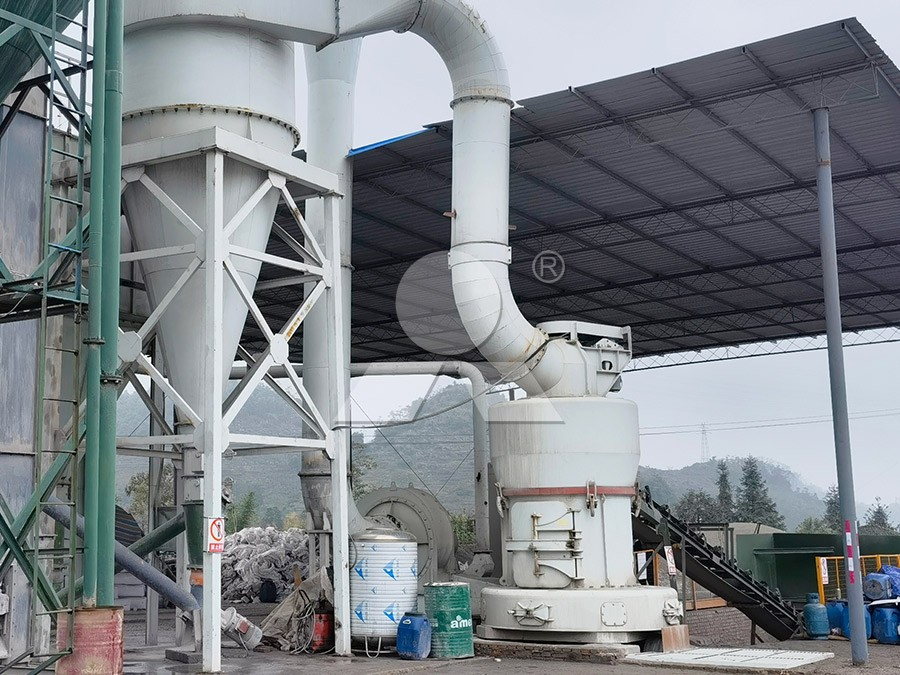
For instance, our MW Ultrafine Grinding Mill is engineered for customers requiring ultra-fine powder. With an input size of 0-20 mm and a capacity ranging from 0.5 to 25 tph, it produces powder adjustable between 325 and 2500 meshes. A key advantage is its energy efficiency; it consumes only 30% of the energy of a jet mill while offering 40% higher output. Its design eliminates rolling bearings and screws in the grinding chamber, enhancing reliability and allowing for 24-hour continuous operation.

Another advanced option is the LUM Ultrafine Vertical Grinding Mill. Integrating grinding, grading, and transporting, it offers higher yields and better product quality. Its multi-head powder separating technology and reversible structure for easier maintenance make it a superior choice for demanding ultrafine powder production, with capacities up to 18 tph.
Making the Right Investment
The decision between a used ball mill plant and a new, advanced mill hinges on your specific needs for product fineness, budget, operational costs, and production timeline. A used plant is a solid, cost-effective workhorse for standard grinding tasks. However, for superior efficiency, finer products, and long-term operational savings, investing in modern technology like the MW or LUM series can be more advantageous.
Frequently Asked Questions (FAQ)
What is the typical lifespan of a used ball mill plant?
With proper maintenance and component replacement (like liners and bearings), a well-built ball mill plant can operate for several decades. The key is its initial condition and the consistency of upkeep.
Can a used ball mill plant be modified for different materials?
Yes, to a large extent. By adjusting the grinding media type (ball composition), mill speed, and residence time, a ball mill can process a wide variety of materials. However, significant changes in hardness or abrasiveness may require liner and media upgrades.
What are the biggest hidden costs with a used plant?
The main risks are unforeseen mechanical failures in the drive system or shell, the cost of replacing worn liners and media immediately after purchase, and potential inefficiencies leading to higher-than-expected power consumption.
Is a used ball mill suitable for ultra-fine grinding (below 10 microns)?
While ball mills can achieve fine grinds, they become increasingly inefficient and energy-intensive compared to specialized mills like our MW Ultrafine Grinding Mill when targeting particle sizes consistently below 10-15 microns.