
Use of Nickel Slag Pulverization Machinery in Cement Concrete Production
We provide a wide range of mills — including Raymond mill, trapezoidal mill, vertical mill, ultrafine mill, and ball mill, obtained ISO9001 international quality certification, EU CE certification, and Customs Union CU-TR certification. Suitable for processing minerals such as limestone, phosphate, quicklime, kaolin, talc, barite, bentonite, calcium carbonate, dolomite, coal, gypsum, clay, carbon black, slag, cement raw materials, cement clinker, and more.
The discharge range of these mills can be adjusted to meet specific processing needs, typically from 80-400 mesh, 600-3250 mesh, and can achieve the finest particle size of up to 6000 mesh(D50).
If you are looking for a reliable grinding solution to turn stone or minerals into fine powder, please feel free to contact our online customer service.
Unlocking the Potential of Nickel Slag in Modern Construction
The construction industry is constantly seeking innovative ways to enhance the properties of concrete while promoting sustainability. One such avenue is the incorporation of industrial by-products like nickel slag. This granular material, a byproduct of nickel smelting, possesses latent hydraulic properties that, when finely ground, can significantly improve the strength and durability of cement concrete. However, the key to unlocking this potential lies in the efficient pulverization of the slag to a specific, ultra-fine fineness.

The Grinding Challenge: From Coarse Aggregate to Microfine Powder
Raw nickel slag is typically a coarse, granular material. To be effectively used as a supplementary cementitious material (SCM), it must be ground to a fineness comparable to or even exceeding that of Portland cement. This process increases its specific surface area, allowing for a more rapid and complete pozzolanic reaction. This reaction not only enhances early and ultimate strength but also refines the pore structure of the concrete, leading to improved resistance against chloride penetration and sulfate attack. The selection of appropriate pulverization machinery is therefore not just a matter of size reduction; it is a critical step that dictates the performance of the final concrete product.
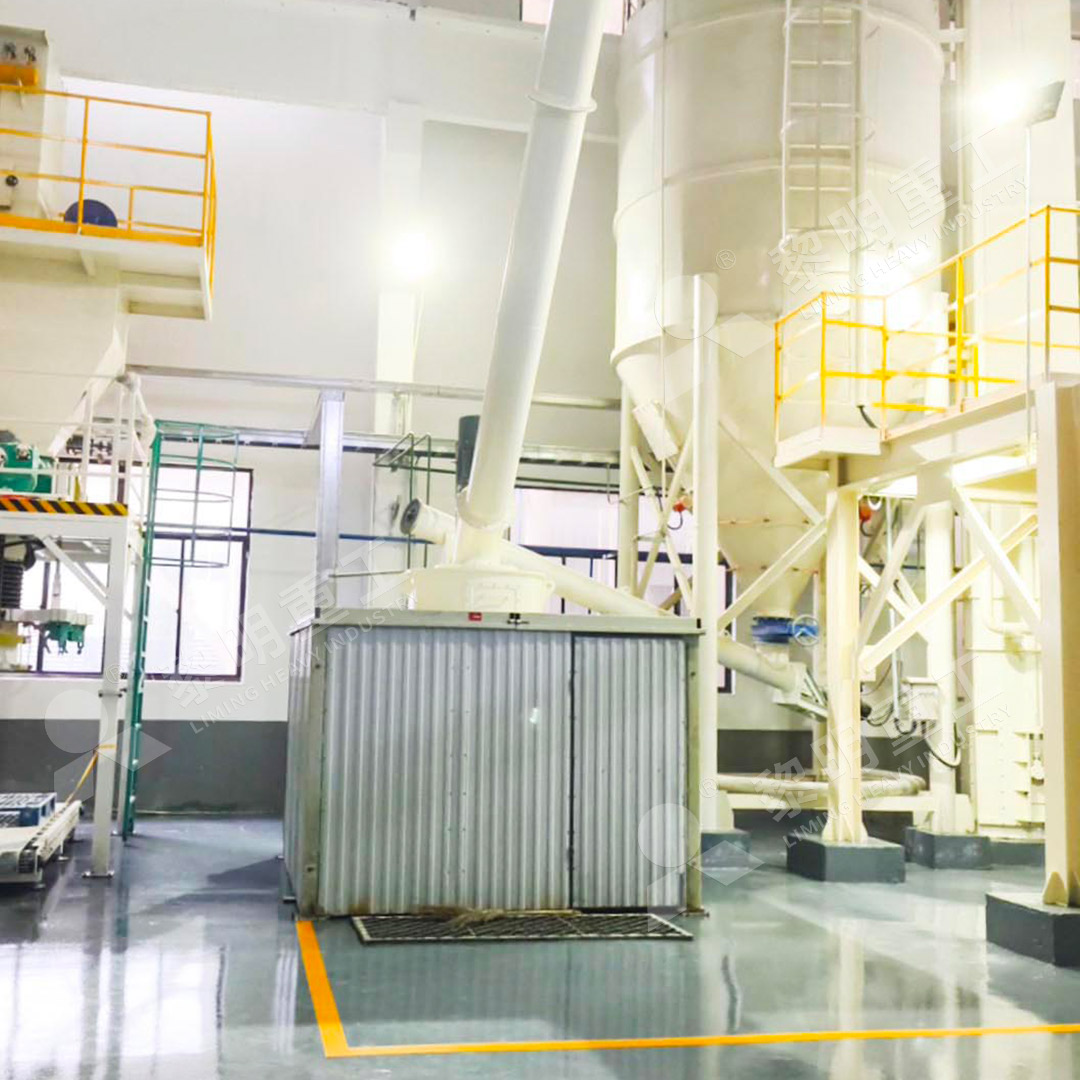
Introducing the MW Ultrafine Grinding Mill: Precision for Performance
For operations requiring the highest level of fineness and consistency, the MW Ultrafine Grinding Mill stands out as an exceptional solution. This machine is specifically engineered for customers who need to produce ultra-fine powder from materials like nickel slag. With an input size of 0-20 mm and a capacity range of 0.5-25 tph, it is perfectly suited for integrating into concrete admixture production lines.
Its cage-type powder selector, which incorporates German technology, allows for precise control over the final product fineness, adjustable between 325 and 2500 meshes. This means producers can tailor the grind to exact specifications for optimal reactivity in concrete. A significant advantage for continuous production environments is its design, which features no rolling bearings or screws in the grinding chamber. This eliminates common failure points and fears about bearing damage or loose screws causing catastrophic machine failure, ensuring reliable, worry-free operation around the clock.
Another Robust Option: The LM Vertical Slag Mill
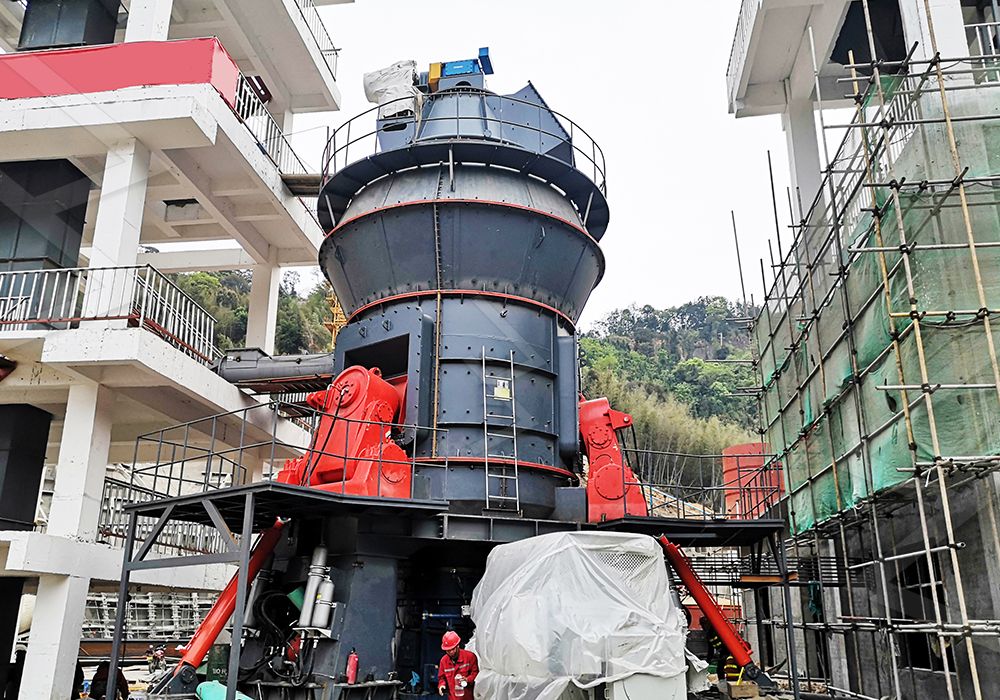
For larger-scale operations focused specifically on granulated blast furnace slag or nickel slag, the LM Vertical Slag Mill is another powerhouse from our portfolio. This mill integrates drying, grinding, powder selection, and conveying into a single, compact unit. Its vertical structure reduces the footprint by about 50% compared to a traditional ball mill system, and it cuts energy consumption by 30-40%. It’s a workhorse designed for the tough job of milling industrial wastes into high-value powder, making it a cornerstone for sustainable concrete production.
Environmental and Economic Benefits
Utilizing nickel slag in concrete is a textbook example of a circular economy. It diverts industrial waste from landfills, reduces the clinker factor in cement (which in turn lowers CO2 emissions), and enhances the long-term properties of the concrete. The choice of efficient grinding technology amplifies these benefits. Our mills, like the MW series, are equipped with efficient pulse dust collectors and mufflers, ensuring that the entire milling process meets stringent environmental protection standards with minimal dust and noise pollution.
Conclusion: A Foundation for Stronger, Greener Concrete
The integration of nickel slag into cement concrete represents a significant stride forward for the construction industry. The transformation of this raw byproduct into a high-performance additive is made possible and economically viable by advanced pulverization machinery. By investing in the right grinding technology, producers can ensure consistency, maximize performance benefits, and contribute to more sustainable building practices. For those looking to pioneer in this field, our grinding solutions provide the reliability and precision necessary to build a stronger future.