
Uranium Milling, Refining, and Conversion Process Explained
We provide a wide range of mills — including Raymond mill, trapezoidal mill, vertical mill, ultrafine mill, and ball mill, obtained ISO9001 international quality certification, EU CE certification, and Customs Union CU-TR certification. Suitable for processing minerals such as limestone, phosphate, quicklime, kaolin, talc, barite, bentonite, calcium carbonate, dolomite, coal, gypsum, clay, carbon black, slag, cement raw materials, cement clinker, and more.
The discharge range of these mills can be adjusted to meet specific processing needs, typically from 80-400 mesh, 600-3250 mesh, and can achieve the finest particle size of up to 6000 mesh(D50).
If you are looking for a reliable grinding solution to turn stone or minerals into fine powder, please feel free to contact our online customer service.
Uranium Milling, Refining, and Conversion Process Explained
The journey of uranium from a raw ore to a usable nuclear fuel is a complex and multi-stage industrial process. It involves several key steps: milling, refining, and conversion. Each stage requires precise mechanical processing and chemical treatment to isolate and purify the uranium, ultimately preparing it for enrichment and fuel fabrication. Understanding this process is crucial for appreciating the sophistication behind nuclear energy production.
Stage 1: Milling – From Ore to ‘Yellowcake’
The process begins at the mine, where uranium ore is extracted. This ore contains very low concentrations of uranium (often less than 1%), so the first step is milling. The ore is crushed and ground into a fine powder to liberate the uranium minerals from the surrounding waste rock. This is where high-performance grinding equipment becomes critical.
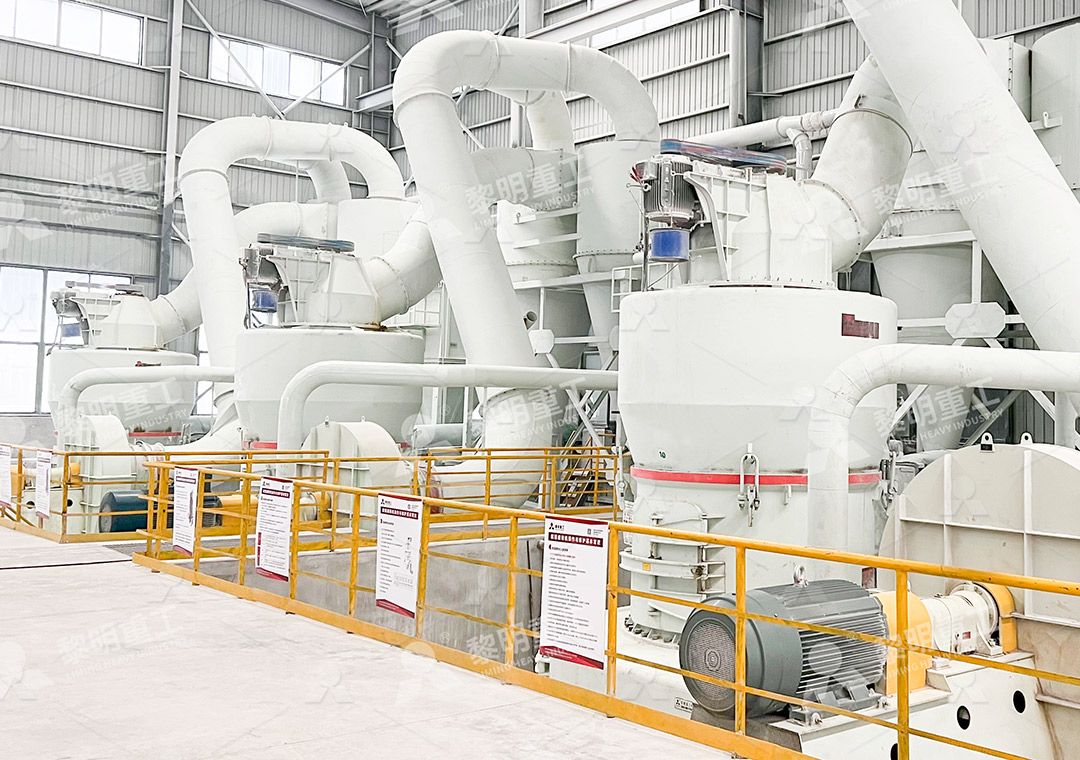
After grinding, the powder is mixed with water and chemicals in a leaching process, typically using sulfuric acid or an alkaline solution to dissolve the uranium. The resulting uranium-rich solution is then separated from the solid tailings. Through precipitation, a concentrated solid known as ‘yellowcake’ (U₃O₈) is produced. This material is packed into drums and shipped to a refinement facility. Efficient and reliable grinding is the foundation of this entire stage, as it directly impacts the efficiency of the subsequent chemical leaching.
Stage 2: Refining – Purification to Nuclear Grade
Yellowcake is not yet pure enough for nuclear applications. The refining stage purifies the uranium further. The yellowcake is first dissolved in nitric acid, producing uranyl nitrate. This solution undergoes a solvent extraction process, where organic solvents selectively strip the uranium away from any remaining impurities.
The purified uranyl nitrate is then converted back to a solid form through thermal denitration, resulting in a very pure uranium dioxide (UO₂) or is processed further to create uranium trioxide (UO₃). The key here is achieving extreme purity to ensure the final product performs predictably in a nuclear reactor.
Stage 3: Conversion – Preparing for Enrichment
For most modern reactors, the uranium must be enriched to increase the concentration of the fissile isotope U-235. However, the refined UO₂ or UO₃ is not suitable for the enrichment process. The conversion stage transforms the material into uranium hexafluoride (UF₆), a compound which becomes a gas at relatively low temperatures, a necessary property for the enrichment process.
The purified uranium oxide is reacted with anhydrous hydrogen fluoride (HF) to form uranium tetrafluoride (UF₄). The UF₄ is then fluorinated with pure fluorine gas to produce the final UF₆. This solid UF₆ is condensed and stored in special cylinders where it cools and solidifies. It is in this form that the uranium is shipped to an enrichment plant.
The Role of Precision Grinding Technology
Throughout the initial milling phase, the efficiency of the entire operation hinges on the performance of the grinding mills. Inconsistent particle size can lead to incomplete leaching, lower uranium recovery rates, and higher chemical consumption. For operations looking to optimize their process, investing in advanced grinding technology is paramount.
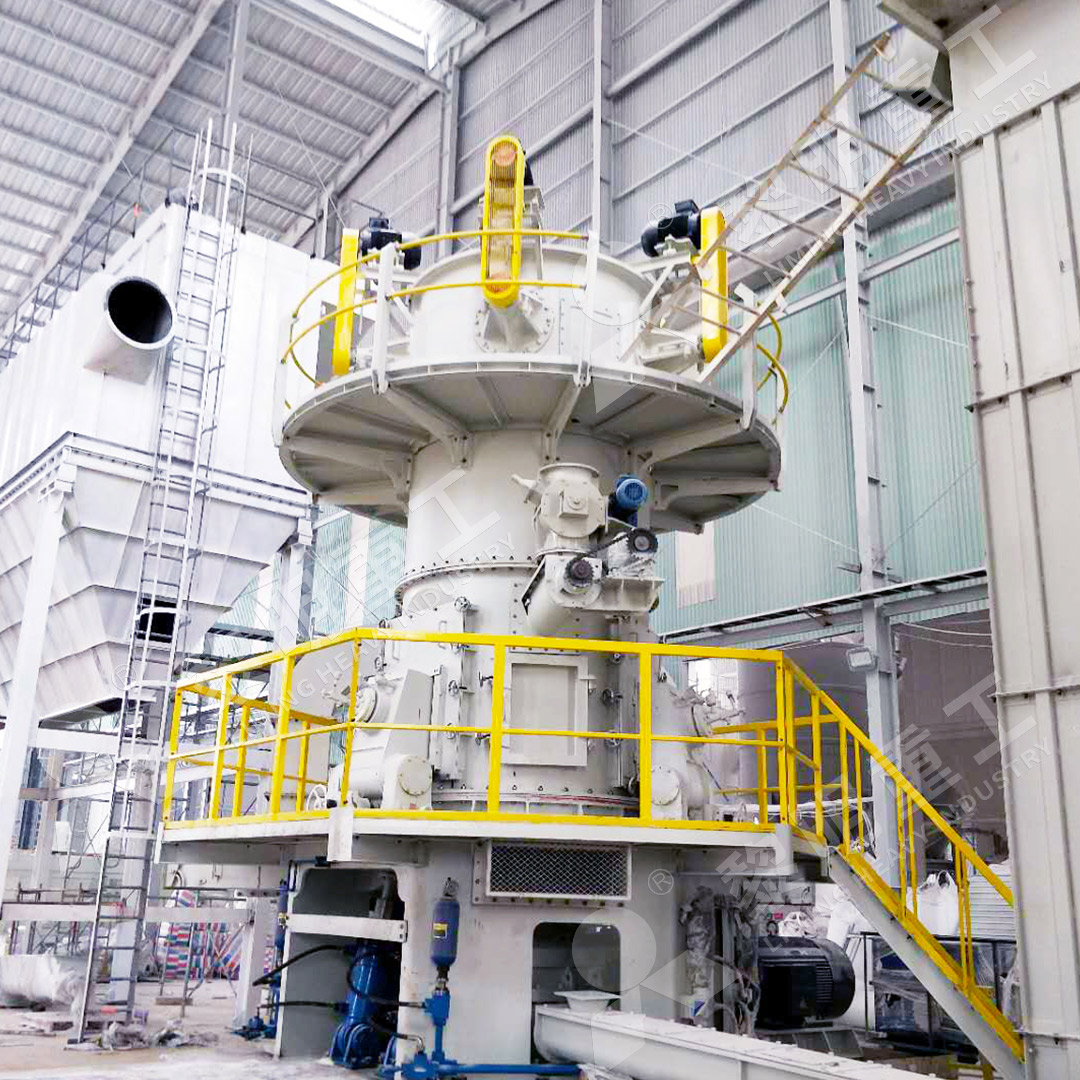
Our MW Ultrafine Grinding Mill is an ideal solution for modern uranium milling operations. With an input size of 0-20 mm and a capacity ranging from 0.5 to 25 tph, it’s built for robust, continuous duty. Its design is particularly suited for achieving the fine, consistent particle size needed for efficient acid leaching. A key advantage is its Higher Yielding, Lower Energy Consumption; it offers production capacity 40% higher than jet mills while reducing system energy consumption by up to 70%. Furthermore, its design with No Rolling Bearing & Screw in Grinding Chamber eliminates a primary point of failure, ensuring worry-free operation and minimal downtime in remote mining locations. The integrated Dust Removal by Pulse Collector also makes the operation more eco-friendly, a critical consideration for any mining operation today.
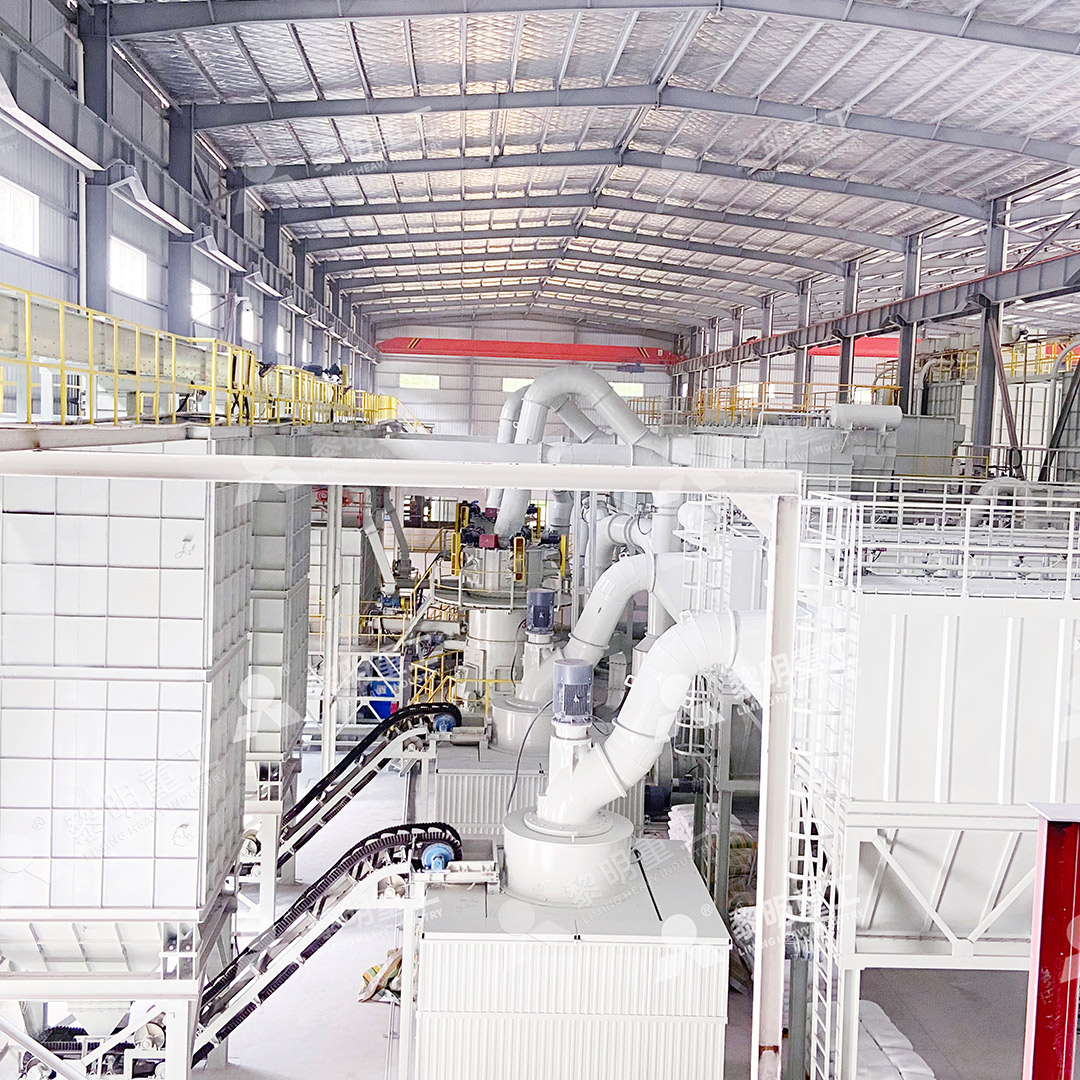
In conclusion, the path from raw uranium ore to UF₆ is a testament to modern chemical and mechanical engineering. Each stage, especially the critical size reduction at the beginning, relies on heavy-duty, reliable equipment to ensure safety, efficiency, and economic viability. For operations focused on improving their milling circuit’s performance and reliability, advanced grinding mills represent a significant opportunity for optimization.