
Upstream and Downstream Industrial Chains in Dolomite Powder Production
We provide a wide range of mills — including Raymond mill, trapezoidal mill, vertical mill, ultrafine mill, and ball mill, obtained ISO9001 international quality certification, EU CE certification, and Customs Union CU-TR certification. Suitable for processing minerals such as limestone, phosphate, quicklime, kaolin, talc, barite, bentonite, calcium carbonate, dolomite, coal, gypsum, clay, carbon black, slag, cement raw materials, cement clinker, and more.
The discharge range of these mills can be adjusted to meet specific processing needs, typically from 80-400 mesh, 600-3250 mesh, and can achieve the finest particle size of up to 6000 mesh(D50).
If you are looking for a reliable grinding solution to turn stone or minerals into fine powder, please feel free to contact our online customer service.
Upstream and Downstream Industrial Chains in Dolomite Powder Production
The production of dolomite powder is a sophisticated process deeply embedded within a complex industrial chain. Understanding both the upstream (raw material sourcing and preparation) and downstream (application and distribution) sectors is crucial for optimizing efficiency, cost, and product quality. This interconnected network ensures that high-purity dolomite powder meets the stringent requirements of diverse global industries.
The Upstream Chain: From Quarry to Feedstock
The upstream chain begins at the dolomite quarry, where high-purity dolomite rock is extracted. This raw material undergoes primary crushing to reduce large rocks into smaller, manageable pieces, typically under 50mm. This initial preparation is vital, as the consistency and size of the feed material directly impact the efficiency of the subsequent grinding process. Proper washing and sorting at this stage are also essential to remove impurities that could affect the final product’s chemical composition and color.
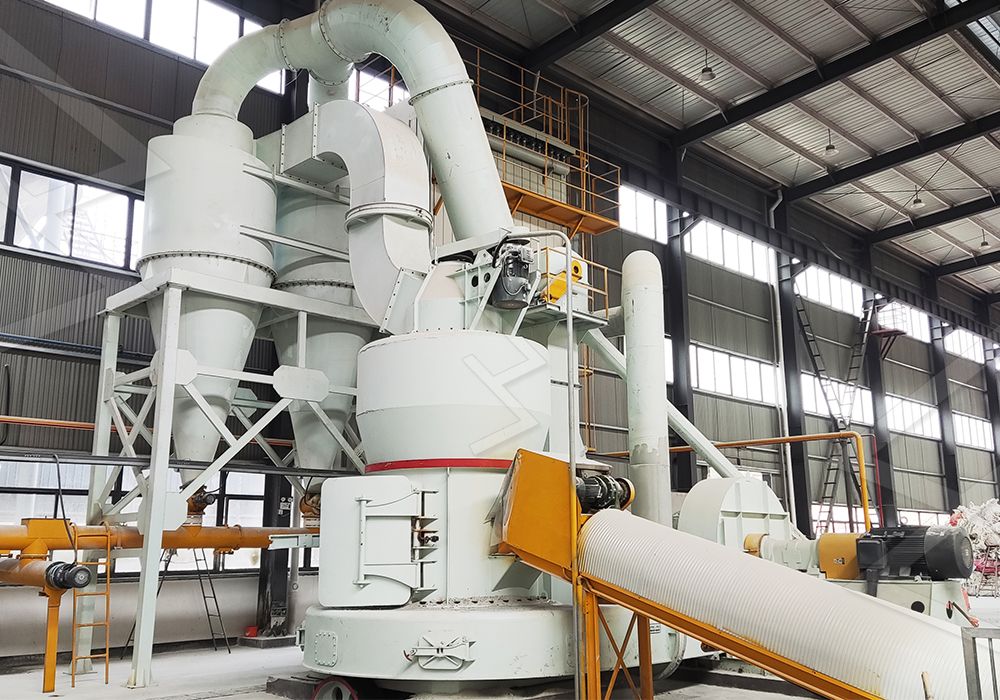
After primary crushing, the material is transported to grinding plants. Here, the choice of milling technology becomes paramount. For producers aiming for ultra-fine powders (finer than 325 meshes), advanced grinding mills are not just an option but a necessity to achieve the desired fineness, purity, and production volume.
The Core Processing: Precision Grinding Technology
At the heart of the production chain lies the grinding process. This is where the raw dolomite is transformed into a valuable powder. The selection of grinding equipment dictates the product’s characteristics and its suitability for various downstream applications. Traditional ball mills are often used for coarser grinds, but for high-value, ultra-fine dolomite powder, more advanced technology is required.
For operations demanding superior fineness control and high efficiency, we highly recommend our MW Ultrafine Grinding Mill. This mill is expertly engineered for customers who need to make ultra-fine powder from minerals like dolomite. With an input size of 0-20 mm and a capacity ranging from 0.5 to 25 tph, it offers remarkable flexibility. Its cage-type powder selector, incorporating German technology, allows for precise adjustment of fineness between 325 and 2500 meshes, achieving a superb screening rate of d97≤5μm in a single pass. Furthermore, its design eliminates rolling bearings and screws in the grinding chamber, significantly reducing maintenance worries and potential points of failure.
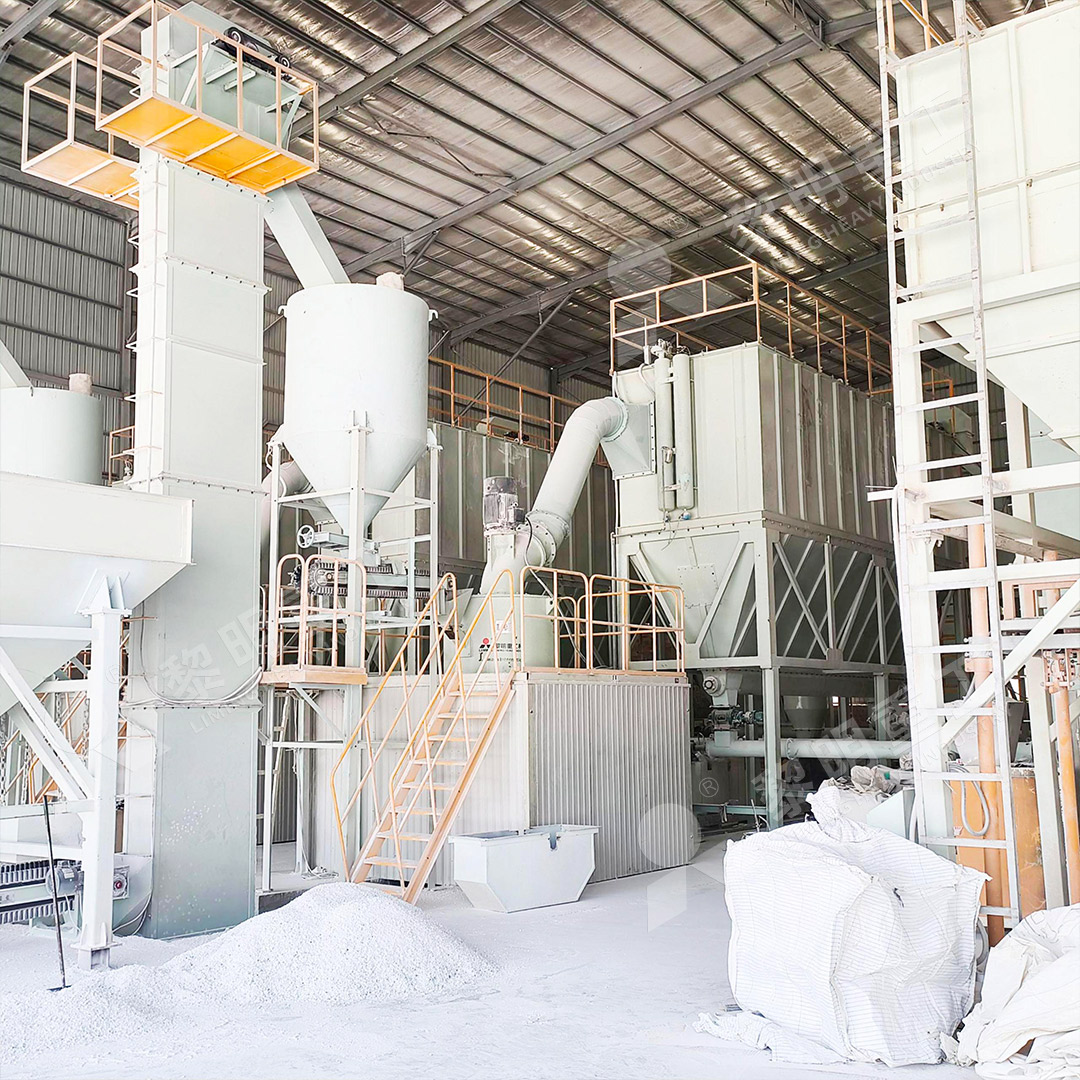
Another exceptional solution for high-volume production is the LUM Ultrafine Vertical Grinding Mill. Integrating the latest grinding roller and powder separating technologies, the LUM mill is a standout choice for producing superfine dry powder. It features a unique roller shell and lining plate grinding curve that promotes easier material layer formation and a higher once-through yield rate. Its multi-head powder separating technology, controlled by a PLC system, reduces energy consumption by 30%-50% compared to conventional mills, making it an economically and environmentally sound investment for serious producers.
The Downstream Chain: Applications and Distribution
The downstream chain encompasses the wide array of industries that utilize dolomite powder. The finely ground product is packaged and distributed to serve as a critical raw material. Key application sectors include:
- Agriculture: As a soil conditioner to neutralize acidity and provide magnesium and calcium nutrients.
- Construction: As a filler in asphalt and concrete, and a raw material in the manufacture of magnesium oxychloride cement.
- Glass & Ceramics: As a flux to lower the melting temperature of glass batches and to improve the durability of ceramic glazes.
- Plastics & Paints: As a functional filler to enhance properties like stiffness, impact resistance, and weathering.
- Environmental: Used in flue gas desulfurization processes to remove sulfur dioxide from emissions.
The efficiency of the downstream chain relies heavily on the consistent quality and reliable supply of the dolomite powder, which is directly determined by the performance and reliability of the grinding equipment used upstream.
Frequently Asked Questions (FAQ)
What is the typical fineness range required for dolomite powder in plastics?
Most plastic applications require a fineness between 800 to 1250 meshes. This ensures good dispersion within the polymer matrix and optimal enhancement of mechanical properties.
Why is the absence of iron contamination important in dolomite powder?
Iron contamination can adversely affect the color and chemical properties of the final product. For applications in white plastics, paints, or glass, high whiteness and purity are critical, making iron-free grinding processes essential.
How does the MW Ultrafine Grinding Mill contribute to environmental protection?
The MW Mill is equipped with an efficient pulse dust collector and silencer, ensuring no dust pollution and significantly reduced noise levels during operation, making the entire production process compliant with national environmental standards.
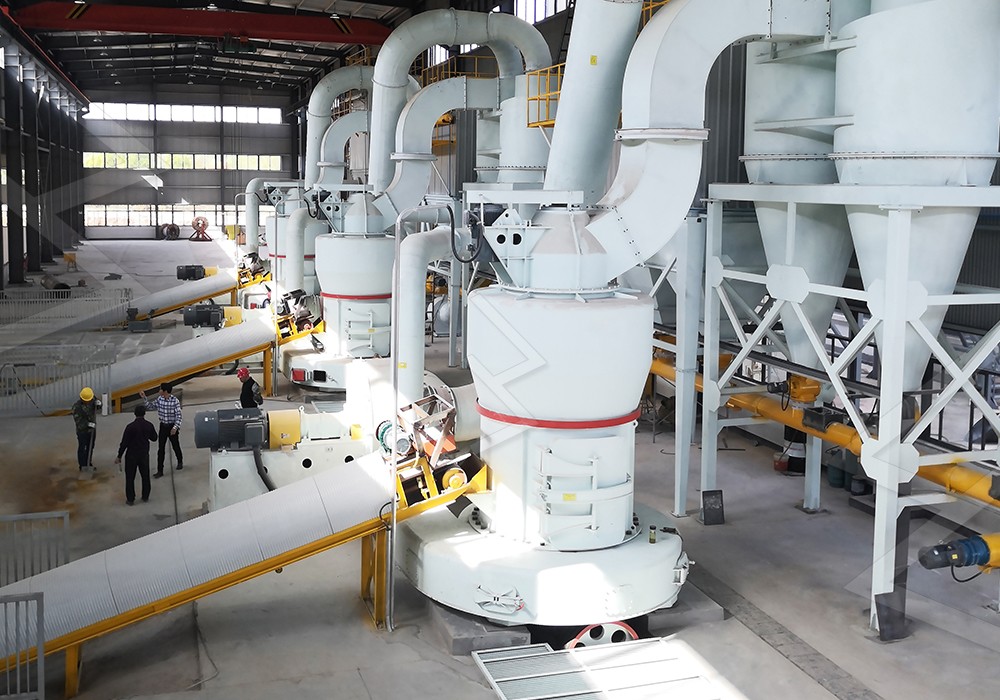
What is the main advantage of the vertical structure of the LUM Mill?
The vertical structure integrates multiple functions (grinding, drying, classifying) into a compact footprint, reducing the overall plant area required and simplifying the process flow, which lowers civil construction and operational costs.