
Ultrafine Vertical Mill for Grinding in Taiwan: Precision, Efficiency, and Innovation
We provide a wide range of mills — including Raymond mill, trapezoidal mill, vertical mill, ultrafine mill, and ball mill, obtained ISO9001 international quality certification, EU CE certification, and Customs Union CU-TR certification. Suitable for processing minerals such as limestone, phosphate, quicklime, kaolin, talc, barite, bentonite, calcium carbonate, dolomite, coal, gypsum, clay, carbon black, slag, cement raw materials, cement clinker, and more.
The discharge range of these mills can be adjusted to meet specific processing needs, typically from 80-400 mesh, 600-3250 mesh, and can achieve the finest particle size of up to 6000 mesh(D50).
If you are looking for a reliable grinding solution to turn stone or minerals into fine powder, please feel free to contact our online customer service.
Ultrafine Vertical Mill for Grinding in Taiwan: Precision, Efficiency, and Innovation
The industrial landscape of Taiwan, renowned for its high-tech manufacturing and stringent quality standards, demands grinding equipment that delivers exceptional precision, reliability, and environmental compliance. In sectors ranging from advanced ceramics and electronics materials to high-value chemicals and pharmaceuticals, the ability to produce ultra-fine powders with consistent particle size distribution is paramount. This is where the evolution of vertical grinding mill technology becomes critical, offering a superior alternative to traditional horizontal ball mills and Raymond mills.
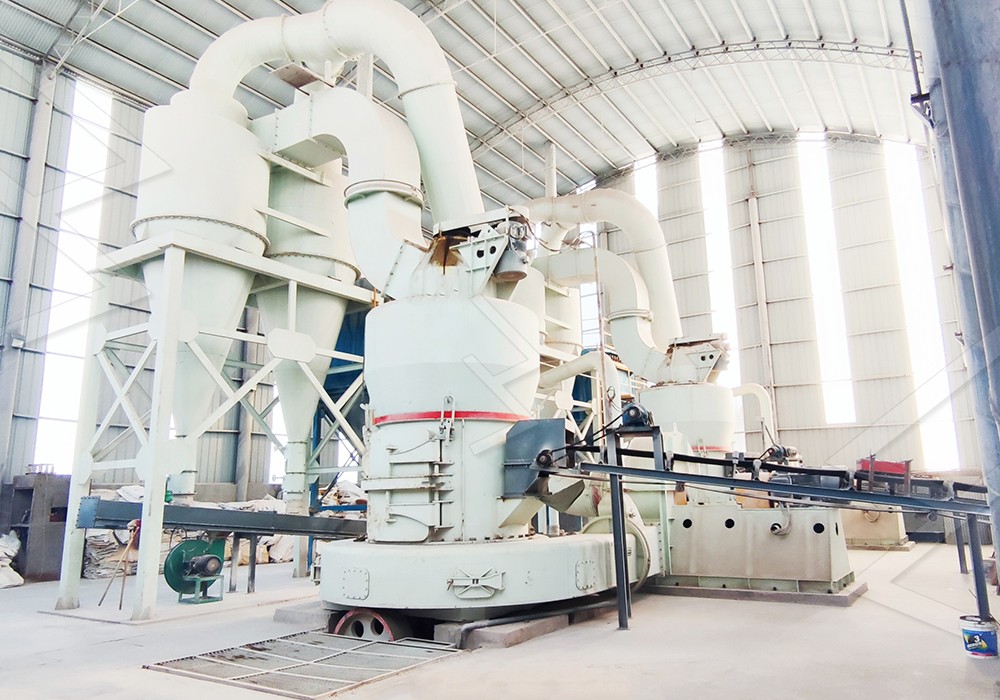
Vertical roller mills (VRMs) have revolutionized dry grinding processes. Their core advantage lies in their integrated design, which combines grinding, drying, classification, and conveying into a single, compact unit. This leads to a significantly smaller footprint—often just 50% of an equivalent ball mill system—a crucial factor in space-constrained industrial parks. Furthermore, the principle of grinding via a bed of material between rollers and a rotating table is inherently more energy-efficient, typically reducing power consumption by 30% to 50% compared to ball milling. For Taiwanese manufacturers focused on sustainability and cost reduction, these efficiency gains are a decisive factor.
The Critical Role of Advanced Engineering in Ultrafine Grinding
Achieving consistent product fineness in the range of 325 to 2500 meshes requires more than just robust construction. It demands sophisticated engineering in two key areas: the grinding curve design of rollers and liners, and the precision of the powder classification system. The optimal grinding curve ensures a stable material bed and efficient compression grinding, minimizing wasteful friction and wear. Meanwhile, the classifier—often a high-efficiency cage-type or rotor-type separator—must provide sharp cuts to ensure that only particles meeting the target fineness leave the mill chamber. This precision directly impacts product quality, yield, and system energy consumption.
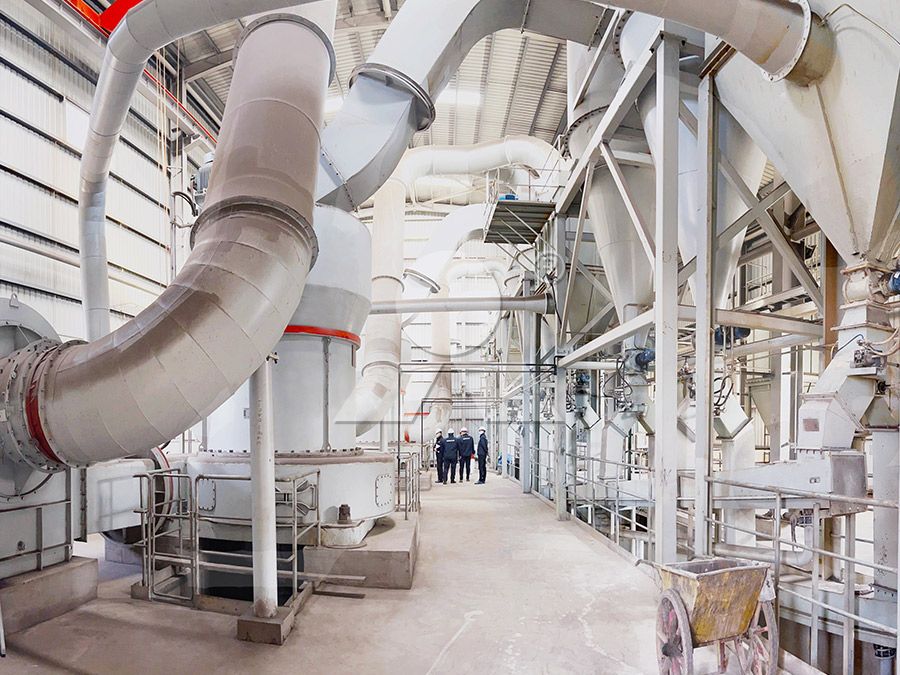
For operations in Taiwan, where environmental regulations are strict, the auxiliary systems of a grinding mill are equally important. An integrated, high-efficiency pulse jet bag filter is non-negotiable for ensuring dust-free operation and protecting air quality. Similarly, sound-dampening enclosures and mufflers are essential for maintaining low noise levels, contributing to a better workplace and community environment.
Tailored Solutions for Demanding Applications
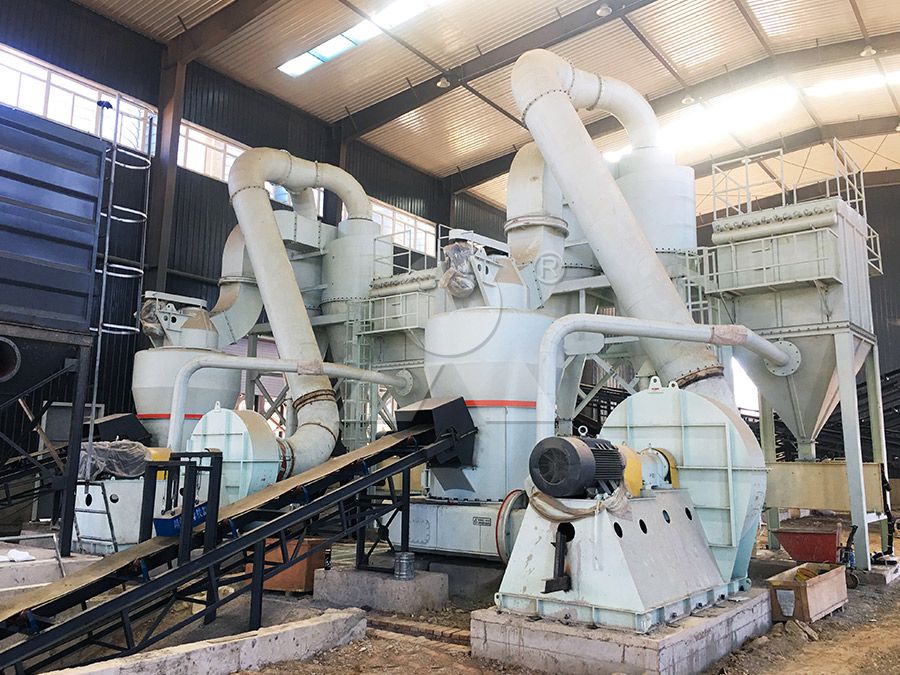
Recognizing the diverse needs of the market, leading manufacturers offer specialized models. A prime example is the MW Ultrafine Grinding Mill. Engineered for customers requiring ultra-fine powder between 325-2500 meshes, this mill is a standout choice for processing materials like calcium carbonate, talc, barite, and specialty chemicals. Its design incorporates a German-technology cage-type powder selector for high-precision separation, achieving a screening rate of d97≤5μm in a single pass. A significant maintenance advantage is its grinding chamber design, which eliminates rolling bearings and screws internally, thereby removing common failure points and concerns about loose components. With an input size of 0-20 mm and a capacity range of 0.5-25 tph, it balances high yield with remarkably low energy consumption, reported to be just 30% of that of a jet mill for comparable output.
For projects requiring the latest in vertical mill technology with an emphasis on operational intelligence and ease of maintenance, the LUM Ultrafine Vertical Grinding Mill presents a compelling option. It integrates advanced Taiwanese grinding roller technology with German powder separating technology. Its features directly address common industry pain points: a unique roller shell and lining plate curve promotes better material layer formation for higher once-through yield, while a PLC-controlled multi-head powder separator allows for precise and rapid adjustment to different product specifications. Its reversible roller structure, facilitated by a hydraulic system, allows grinding rollers to be easily swung out for inspection or liner replacement, dramatically simplifying maintenance and reducing downtime—a key consideration for continuous production lines.
Conclusion: A Strategic Investment for Competitive Advantage
Selecting the right ultrafine vertical mill is a strategic decision for any Taiwanese processing plant. The ideal equipment goes beyond basic grinding; it is a complete system solution that enhances product quality, optimizes energy and spatial efficiency, ensures environmental compliance, and simplifies long-term operation. By partnering with a manufacturer that commits to digitalized precision machining, a reliable supply of original spare parts, and comprehensive technical support, businesses can secure a worry-free operational foundation. In the competitive and innovation-driven market of Taiwan, investing in such advanced grinding technology is not merely an equipment purchase—it is a direct investment in product excellence, sustainability, and future-ready manufacturing capability.
Frequently Asked Questions (FAQs)
- What are the main advantages of a vertical grinding mill over a traditional ball mill for ultrafine applications?
Vertical mills offer a significantly smaller footprint (approx. 50% less), higher energy efficiency (30-50% less power consumption), integrated drying and classification, and better control over particle size distribution and product whiteness due to shorter material residence time and reduced iron contamination. - How is the fineness of the final powder controlled in mills like the MW or LUM series?
Fineness is primarily controlled by a high-precision, variable-speed powder separator (classifier) located at the mill’s top. Adjusting the rotor speed changes the cut point, allowing precise control from 325 to 2500 meshes. Grinding pressure can also be adjusted to influence the result. - Are these mills suitable for heat-sensitive materials?
Yes. The efficient air-swept design allows for simultaneous grinding and drying with controlled inlet air temperature. For highly heat-sensitive materials, the system can be configured with lower temperature air or inert gas to prevent degradation. - What measures are taken to ensure environmentally friendly operation?
The mills are equipped with high-efficiency pulse jet bag filter dust collectors to ensure emissions are virtually dust-free. Silencers and sound enclosures minimize noise pollution. The entire system operates under negative pressure to prevent any dust leakage. - How is wear managed on the grinding rollers and table?
Rollers and table liners are made from high-performance, wear-resistant alloy materials. Designs often feature reversible rollers or symmetrical roller segments to double service life. The hydraulic system allows rollers to be lifted during no-feed conditions, reducing unnecessary wear. - What is the typical lead time for acquiring such a grinding system?
Lead times vary based on model complexity and configuration. Standard models may have shorter lead times, while fully customized systems require more detailed engineering. It’s best to consult directly with the manufacturer’s sales engineering team for an accurate project timeline.