
Ultrafine Powder Grinding Mill for Carbon Black Processing
We provide a wide range of mills — including Raymond mill, trapezoidal mill, vertical mill, ultrafine mill, and ball mill, obtained ISO9001 international quality certification, EU CE certification, and Customs Union CU-TR certification. Suitable for processing minerals such as limestone, phosphate, quicklime, kaolin, talc, barite, bentonite, calcium carbonate, dolomite, coal, gypsum, clay, carbon black, slag, cement raw materials, cement clinker, and more.
The discharge range of these mills can be adjusted to meet specific processing needs, typically from 80-400 mesh, 600-3250 mesh, and can achieve the finest particle size of up to 6000 mesh(D50).
If you are looking for a reliable grinding solution to turn stone or minerals into fine powder, please feel free to contact our online customer service.
Ultrafine Powder Grinding Mill for Carbon Black Processing
In the demanding world of industrial pigment and material processing, carbon black stands out as a particularly challenging substance. Its widespread use in tires, plastics, inks, and coatings necessitates a powder of exceptional fineness and consistency. Achieving the desired particle size distribution—often in the sub-micron range—requires grinding technology that balances raw power with precise control, all while managing the material’s inherent properties. Traditional milling methods often fall short, struggling with heat generation, contamination, and inefficient energy use, leading to inconsistent product quality and high operational costs.
The core challenge lies in de-agglomerating the primary carbon black particles without causing excessive wear on the machinery or degrading the material’s critical properties. An ideal solution must offer adjustable fineness, high throughput, and robust, low-maintenance operation within a closed, environmentally sound system.
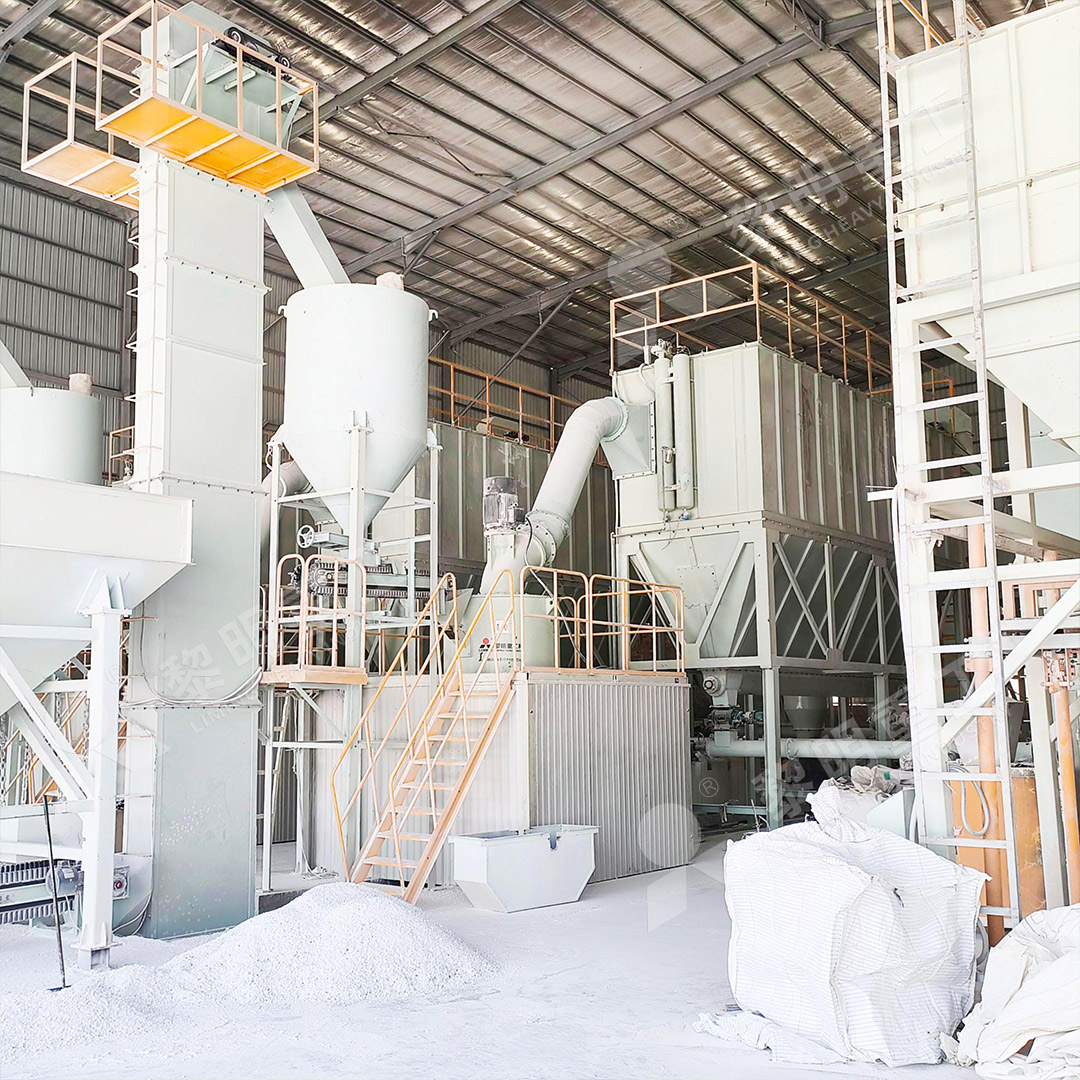
Advanced Milling Technology: The Key to Superior Carbon Black
Modern ultrafine grinding mills have evolved to meet these exacting standards. The most effective systems move beyond simple pulverization, integrating principles of layered material grinding, precision classification, and intelligent process control. By utilizing a grinding mechanism where material is bedded and crushed between rollers and a raceway, these mills achieve a more uniform particle size with significantly less energy expenditure compared to impact-based systems like jet mills or ball mills. This method also minimizes heat buildup, a crucial factor for temperature-sensitive materials.
Central to this process is the powder separator or classifier. Advanced cage-type or multi-head rotor designs allow for real-time, precise control over the cut point, enabling operators to dial in a specific fineness between 325 and 2500 meshes. This ensures that only particles meeting the target size exit the system, while oversize material is efficiently recirculated for further grinding, guaranteeing a consistent final product with a narrow particle size distribution.
Introducing the MW Ultrafine Grinding Mill: Engineered for Performance
For operations prioritizing high yield, energy efficiency, and operational simplicity for materials like carbon black, the MW Ultrafine Grinding Mill presents a compelling solution. Designed for customers who need to make ultra-fine powder, this mill is built around a robust, intelligent design philosophy.
Its standout feature is a significant boost in productivity paired with lower energy consumption. The newly designed grinding curves of the roller and ring enhance grinding efficiency dramatically. In practical terms, with the same fineness and power, its production capacity can be 40% higher than jet or stirred grinding mills, and its yield is twice as large as a traditional ball mill, while system energy consumption is only about 30% of a jet mill. For carbon black processing with an input size of 0-20 mm, the MW mill offers a flexible capacity range of 0.5 to 25 tons per hour.
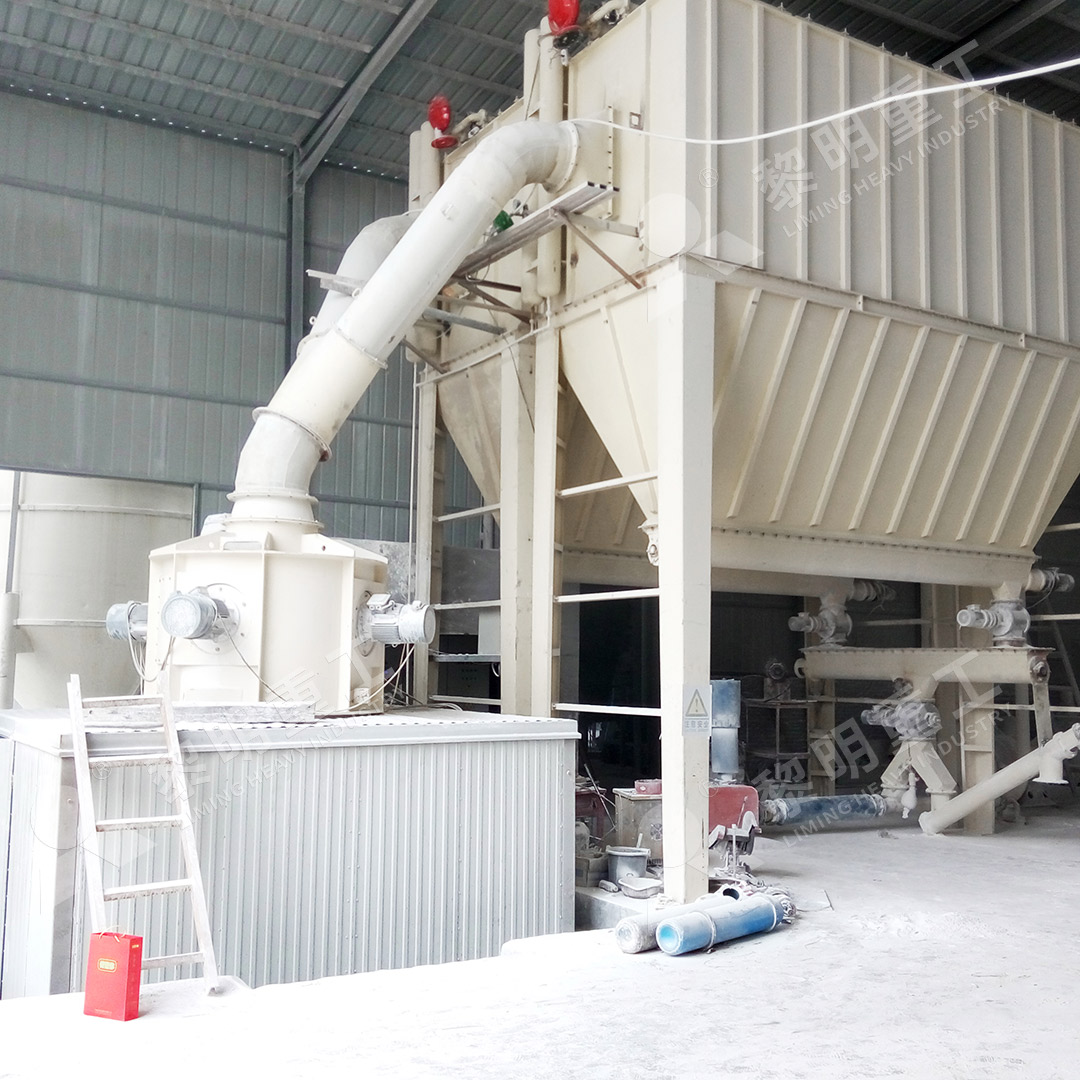
Reliability is engineered into its core. The grinding chamber notably contains no rolling bearings or screws, eliminating common failure points and concerns about seal damage or loose fasteners causing downtime. Lubrication points are externally accessible, allowing for maintenance without shutdowns, supporting continuous 24/7 production cycles—a critical advantage for high-volume carbon black producers.
Ensuring a Clean, Controlled Production Environment
Carbon black is notoriously dusty, making effective containment non-negotiable. The MW Ultrafine Grinding Mill addresses this head-on with an integrated, efficient pulse dust collector. This system ensures no dust pollution escapes during operation, keeping the workplace clean and meeting stringent national environmental protection standards. Furthermore, integrated silencers and noise reduction measures manage operational sound levels, contributing to a better working environment.
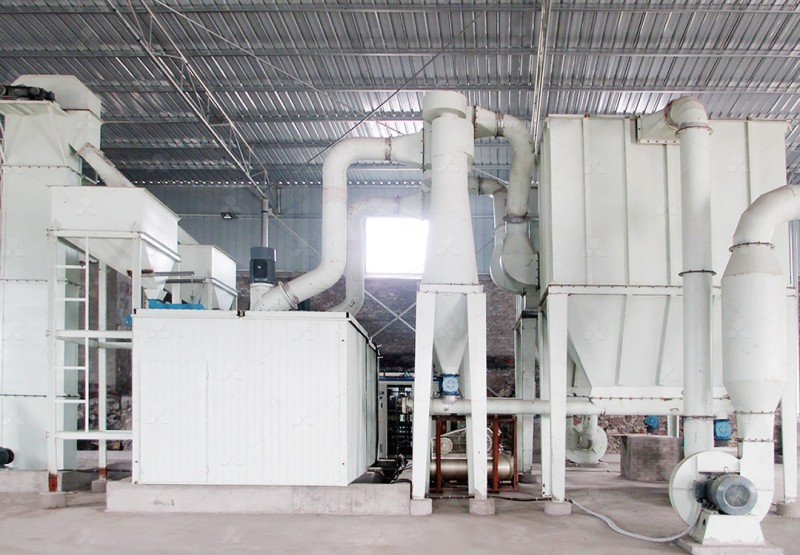
For applications demanding the pinnacle of vertical grinding technology with integrated drying capabilities, the LUM Ultrafine Vertical Grinding Mill is another flagship option. It excels with its unique roller shell design for stable material layer formation and features advanced multi-head powder separating technology for exceptional classification accuracy and energy savings of 30%-50%. Its reversible roller structure allows for easier maintenance and wear part inspection, minimizing downtime.
Conclusion: Investing in Precision and Efficiency
Selecting the right grinding mill for carbon black is a strategic decision that impacts product quality, operational cost, and plant footprint. The move towards advanced, mechanically reliable, and environmentally sealed systems like the MW and LUM series represents the future of ultrafine powder processing. By focusing on higher yield with lower energy consumption, simplified maintenance, and digitalized precision, these mills provide a clear path to achieving a superior, consistent carbon black product while enhancing overall profitability and sustainability of the processing operation.
Frequently Asked Questions (FAQ)
- What is the typical fineness range achievable for carbon black with your ultrafine mills?
Our MW Ultrafine Grinding Mill can adjust product fineness between 325 and 2500 meshes, with the capability to achieve a d97 ≤ 5μm particle size in a single pass, which is ideal for high-grade carbon black applications. - How does the mill prevent contamination of the carbon black product?
The grinding chamber is designed without internal rolling bearings or screws, minimizing potential sources of metallic contamination. Furthermore, the use of wear-resistant alloys for grinding components and a fully sealed, negative-pressure system ensures product purity. - What measures are in place to control dust during operation?
The mill system is equipped with an efficient pulse jet dust collector as standard. This, combined with the fully enclosed structure, contains all process dust, making the operation clean and compliant with environmental regulations. - Can the mill handle other materials besides carbon black?
Absolutely. Our ultrafine mills are versatile and suitable for a wide range of non-metallic minerals and industrial powders, including limestone, calcite, talc, gypsum, and various chemical industry materials like pigments and fillers. - What is the advantage of the “no rolling bearing in the chamber” design?
This design eliminates a major potential failure point. It removes worries about bearing seal damage from fine powder ingress and prevents machine damage from loose internal screws, drastically improving reliability and reducing maintenance needs. - How does the energy consumption compare to a traditional ball mill?
The MW Ultrafine Grinding Mill is significantly more energy-efficient. It can deliver twice the yield of a ball mill for the same fineness, while the system’s overall energy consumption is a fraction of that of less advanced technologies like jet mills.