
Ultrafine Limestone Grinding Mill: A Complete Guide to Selection and Operation
We provide a wide range of mills — including Raymond mill, trapezoidal mill, vertical mill, ultrafine mill, and ball mill, obtained ISO9001 international quality certification, EU CE certification, and Customs Union CU-TR certification. Suitable for processing minerals such as limestone, phosphate, quicklime, kaolin, talc, barite, bentonite, calcium carbonate, dolomite, coal, gypsum, clay, carbon black, slag, cement raw materials, cement clinker, and more.
The discharge range of these mills can be adjusted to meet specific processing needs, typically from 80-400 mesh, 600-3250 mesh, and can achieve the finest particle size of up to 6000 mesh(D50).
If you are looking for a reliable grinding solution to turn stone or minerals into fine powder, please feel free to contact our online customer service.
Ultrafine Limestone Grinding Mill: A Complete Guide to Selection and Operation
Grinding limestone into ultra-fine powder is a critical process in numerous industries, from construction materials to pharmaceuticals and food additives. Selecting the right equipment and operating it correctly can significntly impact your productivity, product quality, and bottom line. This guide will walk you through the key considerations.
Why Ultrafine Limestone Powder?
Ultrafine limestone powder, often defined as powder with a fineness of 325 mesh (45μm) and above, offers superior properties compared to coarser grades. Its high surface area and reactivity make it a valuable filler, additive, and raw material. Applications range from enhancing the strength and durability of plastics and paints to acting as a dietary calcium supplement or a crucial component in environmental desulfurization processes.
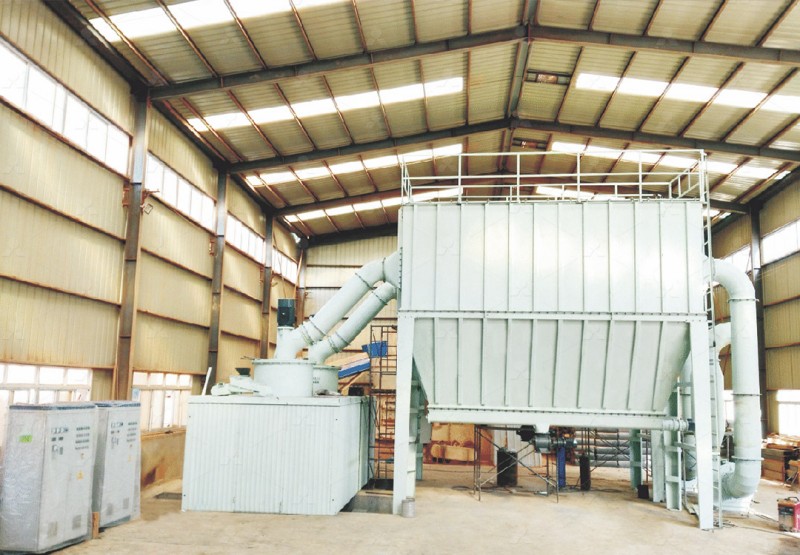
Key Selection Criteria for Your Grinding Mill
Choosing the wrong mill can lead to high energy bills, excessive maintenance downtime, and inconsistent product quality. Here are the primary factors to weigh:
- Desired Fineness & Capacity: Clearly define your target particle size distribution (e.g., d97 ≤ 10μm) and required hourly output. This is the starting point.
- Energy Efficiency: Grinding is an energy-intensive process. Look for mills designed to minimize power consumption per ton of output.
- System Design & Environmental Impact: A modern mill should be a closed, negative-pressure system equipped with efficient dust collectors and noise reduction features to meet environmental regulations.
- Ease of Maintenance & Operational Stability: Consider the accessibility of wear parts, lubrication systems, and the overall robustness of the design to ensure continuous, worry-free operation.
- Total Cost of Ownership: Look beyond the initial purchase price. Factor in energy costs, spare parts consumption, and potential production losses from downtime.
Featured Solution: The MW Ultrafine Grinding Mill
For operations demanding high-precision, high-yield ultrafine powder production, our MW Ultrafine Grinding Mill stands out as an exceptional choice. Engineered for efficiency and reliability, it’s specifically designed to tackle materials like limestone, calcite, and dolomite.
Here’s why the MW Series could be the optimal solution for your ultrafine grinding needs:
- Superior Efficiency: Its newly designed grinding curves enhance efficiency, offering production capacity 40% higher than jet mills and double that of ball mills, while slashing system energy consumption by 30%.
- Precise Particle Control: Equipped with a German-technology, cage-type powder selector, it allows adjustable fineness between 325-2500 meshes, achieving a precise d97≤5μm in a single pass.
- Unmatched Reliability: A key innovation is the absence of rolling bearings and screws in the grinding chamber. This eliminates common failure points, preventing machine damage from loose screws or bearing seal failures.
- Eco-Friendly Operation: The integrated efficient pulse dust collector ensures no dust pollution, while silencers and noise elimination rooms keep operations quiet and fully compliant with national环保 (environmental) standards.
Best Practices for Operation and Maintenance
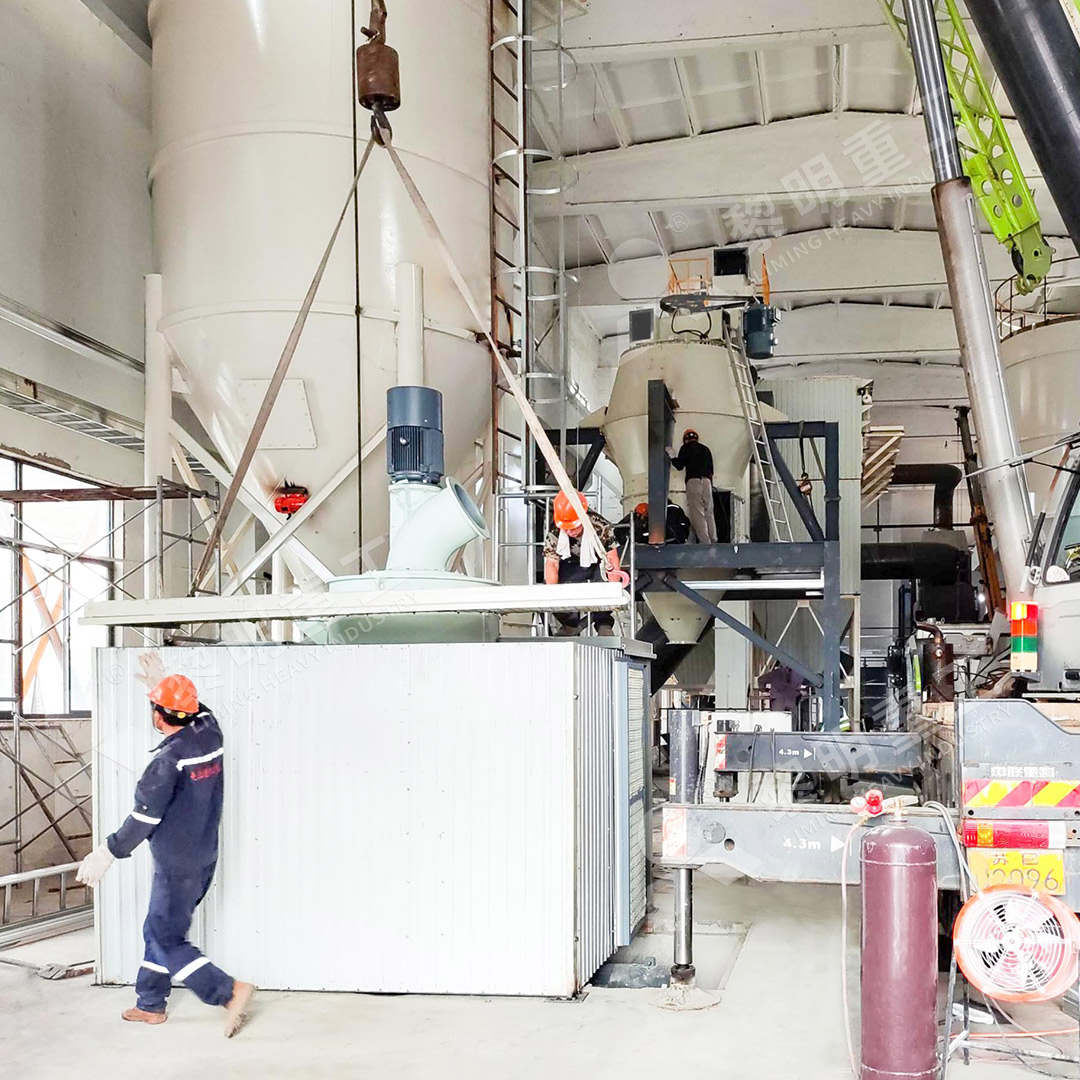
Proper operation is key to maximizing your mill’s lifespan and performance. Always ensure the feed material size is within the mill’s specification (for the MW Mill, this is 0-20mm). Monitor the grinding pressure and classifier speed closely to maintain the desired fineness. Implement a regular maintenance schedule focused on inspecting wear parts like the grinding roller and ring, and ensure the external lubricating device is functioning correctly to allow for lubrication without shutdown. Training operators to recognize normal versus abnormal sounds and vibrations can also prevent minor issues from escalating into major problems.
Conclusion
Investing in the right ultrafine grinding technology is a strategic decision. By focusing on efficiency, precision, and reliability, you can transform your limestone processing into a highly competitive and profitable operation. Our MW Ultrafine Grinding Mill, with its advanced design and proven performance, is engineered to deliver exactly that. For operations requiring a vertical solution, our LUM Ultrafine Vertical Grinding Mill also presents a formidable option with its space-saving design and advanced powder separating technology.
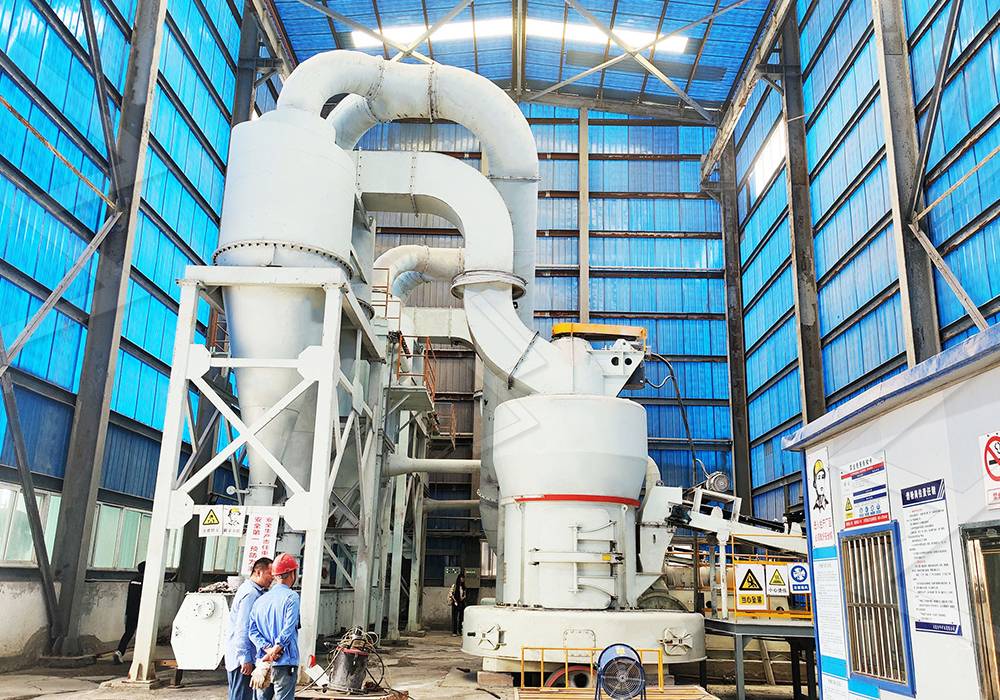
Remember, succesful grinding is a combination of the right machine and knowledgable operation. Choose wisely, operate carefully, and you’ll achieve outstanding results.