UK Powder Mills for Manufacturing Grinding: A Buyer’s Guide
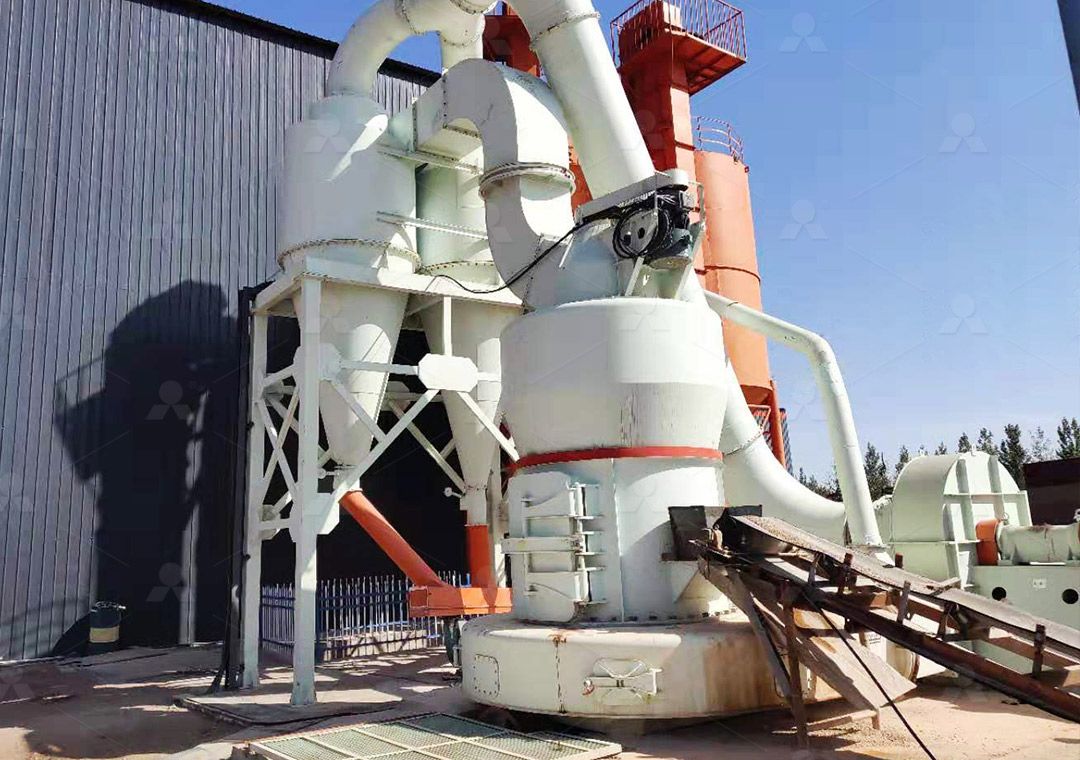
We provide a wide range of mills — including Raymond mill, trapezoidal mill, vertical mill, ultrafine mill, and ball mill, obtained ISO9001 international quality certification, EU CE certification, and Customs Union CU-TR certification. Suitable for processing minerals such as limestone, phosphate, quicklime, kaolin, talc, barite, bentonite, calcium carbonate, dolomite, coal, gypsum, clay, carbon black, slag, cement raw materials, cement clinker, and more.
The discharge range of these mills can be adjusted to meet specific processing needs, typically from 80-400 mesh, 600-3250 mesh, and can achieve the finest particle size of up to 6000 mesh(D50).
If you are looking for a reliable grinding solution to turn stone or minerals into fine powder, please feel free to contact our online customer service.
UK Powder Mills for Manufacturing Grinding: A Buyer’s Guide
When it comes to manufacturing processes that require fine powder production, selecting the right grinding mill is crucial for efficiency, cost-effectiveness, and environmental compliance. The UK market offers a variety of options, but understanding key features and applications can help you make an informed decision. Whether you’re in chemicals, construction, food processing, or pharmaceuticals, the right equipment can significantly impact your operational success.
Key Considerations When Choosing a Grinding Mill
Before investing in a grinding mill, consider factors such as input size, capacity, energy consumption, maintenance requirements, and environmental impact. For instance, mills with advanced dust collection systems reduce pollution and meet stringent UK environmental standards. Additionally, look for features like adjustable fineness, digital controls, and robust construction to ensure long-term reliability.
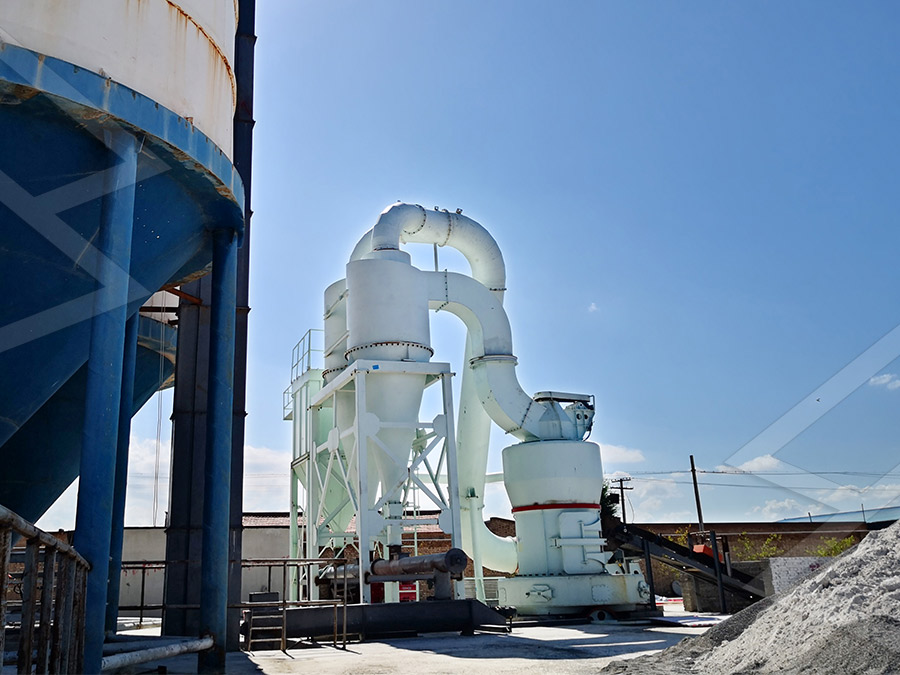
One standout option is the MW Ultrafine Grinding Mill, which handles input sizes of 0-20 mm and capacities ranging from 0.5 to 25 tph. It’s designed for ultra-fine powder production, making it ideal for materials like limestone, calcite, and barite. With features such as higher yielding and lower energy consumption (40% more efficient than jet mills), it’s a top choice for industries prioritizing sustainability and productivity. The absence of rolling bearings in the grinding chamber minimizes maintenance issues, while the pulse dust collector ensures eco-friendly operation.
Applications and Industry Fit
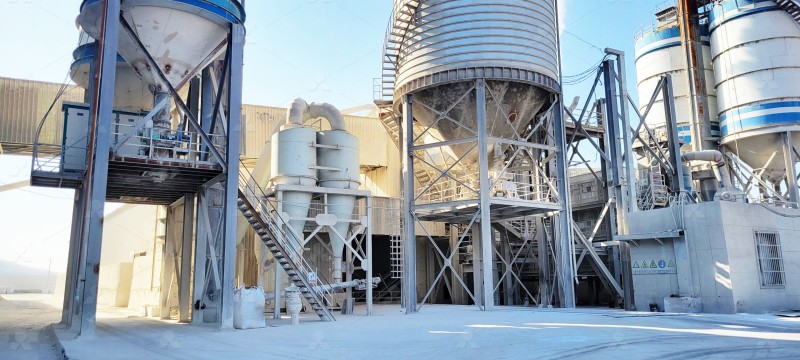
Grinding mills are versatile, serving sectors from cosmetics to cement. For example, the LUM Ultrafine Vertical Grinding Mill excels in processing non-metal ores like marble and talc, with an input size of 0-10 mm and capacity of 5-18 tph. Its multi-head powder separating technology allows precise control, reducing energy use by 30-50%. This mill is particularly suited for UK facilities needing high-precision powders with minimal operational downtime.
Why Efficiency and Environmental Compliance Matter
In the UK, strict regulations on noise and dust emissions make mills with integrated mufflers and dust collectors essential. The MW Ultrafine Grinding Mill, for instance, operates at reduced noise levels and eliminates dust pollution, aligning with national standards. Its digital processing ensures high precision, while ample spare parts supply guarantees worry-free operation. For businesses aiming to cut costs and boost sustainability, such features are non-negotiable.
Conclusion
Choosing the right grinding mill involves balancing technical specs with practical needs. The MW and LUM models from LIMING offer advanced solutions for ultra-fine grinding, combining efficiency, reliability, and eco-friendliness. By prioritizing these attributes, UK manufacturers can enhance their production lines while adhering to environmental goals. Always consult with experts to tailor the equipment to your specific requirements.