
Troubleshooting and Repair Guide for 200 Mesh Anthracite Coal Grinding Mills
We provide a wide range of mills — including Raymond mill, trapezoidal mill, vertical mill, ultrafine mill, and ball mill, obtained ISO9001 international quality certification, EU CE certification, and Customs Union CU-TR certification. Suitable for processing minerals such as limestone, phosphate, quicklime, kaolin, talc, barite, bentonite, calcium carbonate, dolomite, coal, gypsum, clay, carbon black, slag, cement raw materials, cement clinker, and more.
The discharge range of these mills can be adjusted to meet specific processing needs, typically from 80-400 mesh, 600-3250 mesh, and can achieve the finest particle size of up to 6000 mesh(D50).
If you are looking for a reliable grinding solution to turn stone or minerals into fine powder, please feel free to contact our online customer service.
Troubleshooting and Repair Guide for 200 Mesh Anthracite Coal Grinding Mills
Grinding anthracite coal to a consistent 200 mesh is a critical process in many industrial applications, from power generation to metallurgy. However, operators often encounter a range of issues that can hamper efficiency, increase downtime, and affect final product quality. This guide outlines common problems, their likely causes, and practical solutions to keep your milling operation running smoothly.
Common Operational Issues and Solutions
1. Failure to Achieve Target Fineness (200 Mesh)
Symptoms: Output is coarser than specified, with inconsistent particle size distribution.
Potential Causes:
- Worn grinding rollers and rings: The most common culprit. Over time, the grinding surfaces wear down, losing their ability to pulverize coal effectively.
- Incorrect classifier speed: The powder selector’s rotational speed is misadjusted, allowing coarse particles to pass through.
- Excessive feed rate: Overloading the mill prevents material from receiving sufficient grinding time.
- Insufficient grinding pressure: Hydraulic system pressure may be too low for the hard anthracite coal.
Solutions: Regularly inspect and measure wear on rollers and rings. Replace them when wear exceeds manufacturer specifications. Recalibrate the classifier speed according to the target fineness. Ensure the feed rate is consistent and matches the mill’s designed capacity. Check the hydraulic system for leaks and ensure pressure is set correctly for the material hardness.
2. Reduced Output and Capacity
Symptoms: Mill throughput drops significantly below its rated capacity.
Potential Causes:
- Blocked air flow: Clogged filters or ducts in the pulse dust collector restrict air movement, hindering material transport.
- Dull or damaged shovel blades: These are responsible for lifting material to the grinding zone; if worn, feeding efficiency plummets.
- Leaking air seal: Air leaks disrupt the internal air circuit, reducing the efficiency of material conveying and classification.
Solutions: Implement a strict maintenance schedule for the pulse jet dust collector, including regular filter bag inspection and replacement. Check and repair all air seals around doors and inspection points. Inspect shovel blades for wear and replace them as needed.
3. Excessive Vibration and Noise
Symptoms: Unusual knocking sounds, high vibration levels that can be felt on the mill structure.
Potential Causes:
- Unbalanced grinding roller: Severe or uneven wear can throw a roller out of balance.
- Foreign material (tramp iron): A piece of metal or other hard object has entered the grinding chamber.
- Loose foundation bolts or worn damper pads: The mill’s physical connection to its base has been compromised.
Solutions: Immediately shut down the mill if violent vibration occurs. Inspect the grinding chamber for foreign objects. Check roller balance and foundation bolt torque. Replace worn damping elements.
Recommended Equipment for Superior Anthracite Grinding
For operations focused on high-volume, energy-efficient production of 200-mesh anthracite coal, selecting the right mill is paramount. Many of the issues described above are mitigated by modern mill designs.
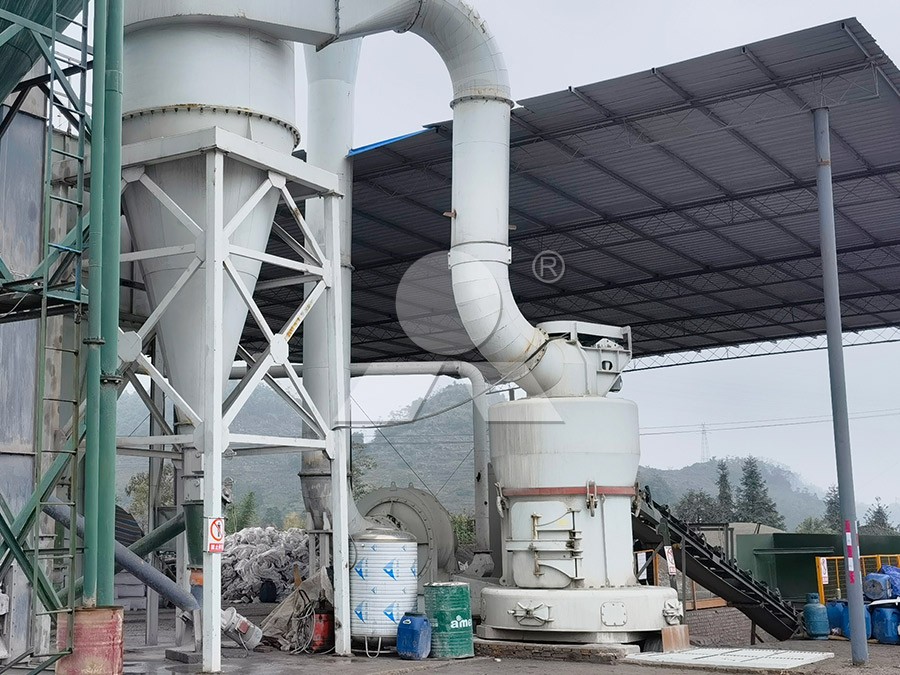
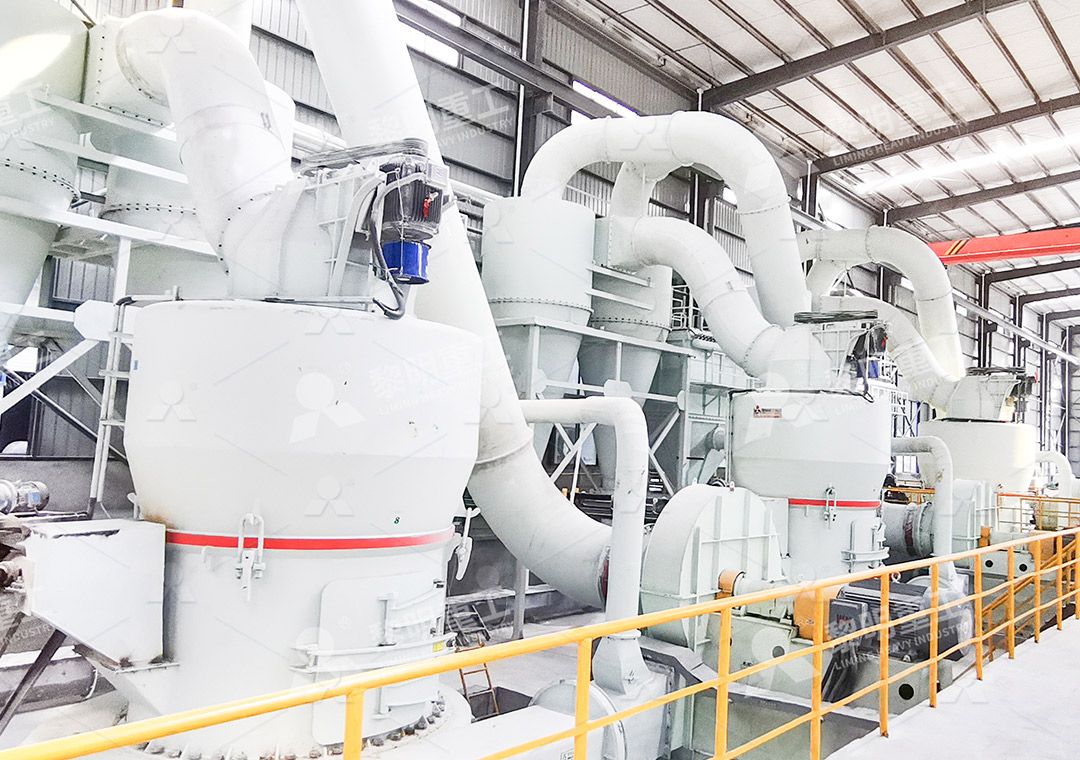
Our MW Ultrafine Grinding Mill is an exceptional choice for this application. Designed for customers who need to make ultra-fine powder, it handles an input size of 0-20 mm with a capacity range of 0.5-25 tph, making it perfectly suited for anthracite. Its cage-type powder selector, which adopts German technologies, allows for precise adjustment of fineness between 325-2500 meshes, ensuring you can consistently hit your 200-mesh target. A key feature for reliability is the absence of rolling bearings and screws in the grinding chamber, eliminating common failure points and concerns about loose screws causing catastrophic damage. Furthermore, its efficient pulse dust collector ensures eco-friendly operation with no dust pollution, a critical factor in coal processing.
For larger scale operations, the LUM Ultrafine Vertical Grinding Mill is another top-tier solution. It integrates grinding, grading, and transporting with higher yielding rates and better energy efficiency, reducing consumption by 30%-50% compared to common mills. Its reversible structure is a maintenance engineer’s dream, allowing grinding rollers to be easily moved out of the body for inspection and replacement, drastically reducing downtime for repairs.
Preventive Maintenance Checklist
- Daily: Check oil levels, monitor motor amperage, listen for unusual noises, inspect for dust leaks.
- Weekly: Inspect classifier blades and grinding elements for early signs of wear. Check belt tensions.
- Monthly: Thoroughly clean the pulse dust collector, check all hydraulic connections and pressures, calibrate feeding equipment.
- Annually: Schedule a full shutdown for internal inspection of wear parts, replacement of filters, and overall system calibration.
By understanding these common problems and implementing a rigorous preventive maintenance schedule, you can maximize the uptime, efficiency, and lifespan of your anthracite coal grinding mill. Investing in advanced technology like the MW or LUM series mills can provide a significant long-term advantage through higher yield, lower energy costs, and vastly simplified maintenance.