
Troubleshooting and Repair Guide for 100 TPH Coal Mills in Electric Power Plants
We provide a wide range of mills — including Raymond mill, trapezoidal mill, vertical mill, ultrafine mill, and ball mill, obtained ISO9001 international quality certification, EU CE certification, and Customs Union CU-TR certification. Suitable for processing minerals such as limestone, phosphate, quicklime, kaolin, talc, barite, bentonite, calcium carbonate, dolomite, coal, gypsum, clay, carbon black, slag, cement raw materials, cement clinker, and more.
The discharge range of these mills can be adjusted to meet specific processing needs, typically from 80-400 mesh, 600-3250 mesh, and can achieve the finest particle size of up to 6000 mesh(D50).
If you are looking for a reliable grinding solution to turn stone or minerals into fine powder, please feel free to contact our online customer service.
Troubleshooting and Repair Guide for 100 TPH Coal Mills in Electric Power Plants
Maintaining a consistent and efficient coal grinding operation is critical for power plant reliability. Coal mills operating at 100 TPH are complex systems, and unexpected downtime can cost thousands per hour. This guide outlines common issues, troubleshooting steps, and repair recommendations to keep your milling operations running smoothly.
Common Operational Issues and Diagnostic Steps
One of the most frequent problems we encounter is reduced mill output or fineness issues. This can often be traced back to worn grinding elements. If you notice a gradual drop in capacity despite maintaining feeder rates, it’s time to inspect the grinding rollers and ring. Look for visible wear patterns and measure the remaining life. Another common culprit is improper classifier settings or worn classifier vanes, which can be checked by analyzing product fineness curves.
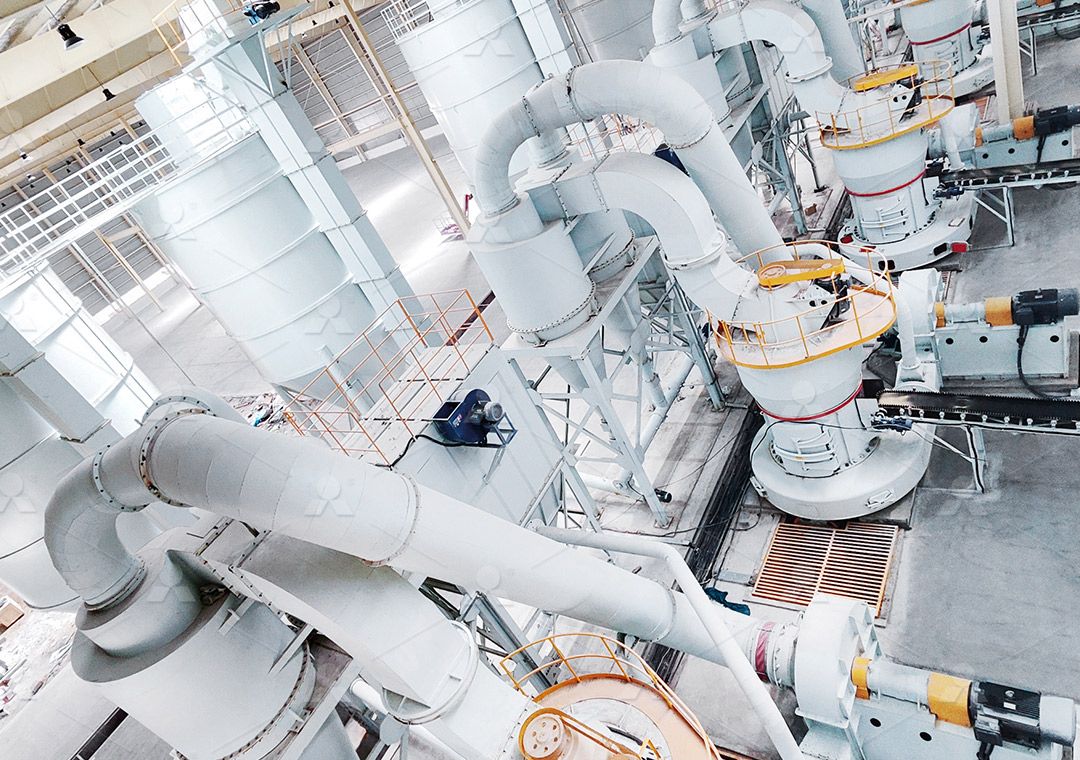
Excessive vibration is another serious alarm. Immediately check for uneven grinding pressure, misalignment of the grinding table, or foreign material ingress. Balancing the grinding rollers and ensuring proper spring or hydraulic pressure is crucial. Don’t ignore foundation bolts; loose anchor bolts can amplify vibration issues significantly.
Key Maintenance and Repair Procedures
For roller and liner replacement, always follow the manufacturer’s locking and torque specifications. Use proper lifting equipment and ensure the mill is completely isolated and depressurized. When reassembling, apply a high-temperature anti-seize compound on all threads to facilitate future disassembly. For classifier overhauls, pay close attention to vane clearances and ensure the drive motor is aligned to prevent premature bearing failure.
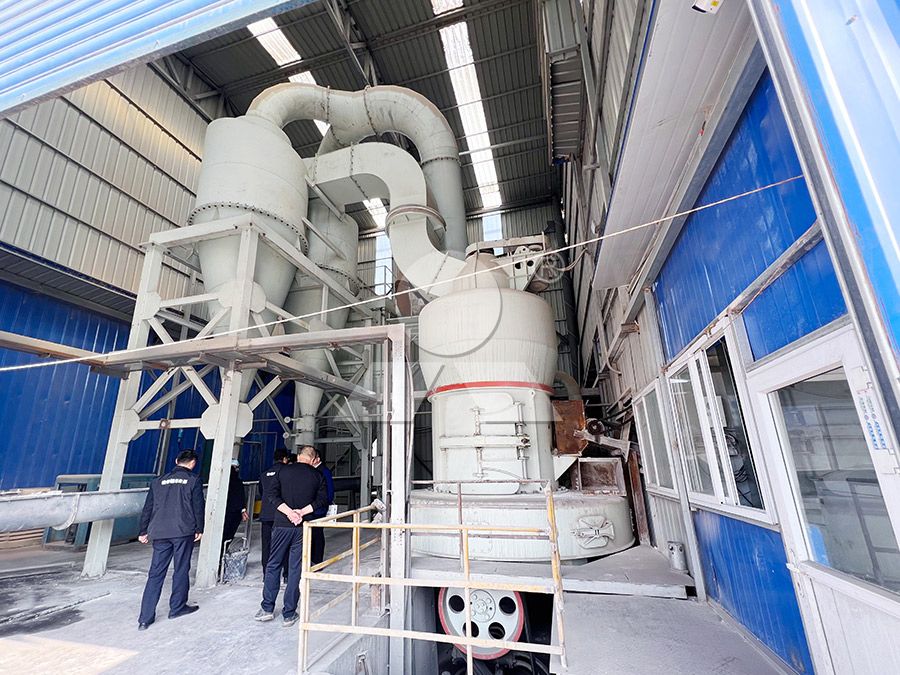
Product Recommendation: LM Vertical Coal Mill
For plants looking to upgrade their grinding efficiency and reliability, we highly recommend our LM Vertical Coal Mill. This isn’t your granddad’s ball mill. It’s engineered for the harsh demands of power generation. With a capacity range that comfortably handles 100 TPH applications and an input size of <50mm, it integrates drying, grinding, and powder selection into a single, compact unit. Its simple and reliable operation, featuring a limit device that prevents direct contact between the grinding roller and table, drastically reduces the risk of severe vibration and catastrophic failure. The high grinding efficiency can save 40%-50% on power consumption compared to traditional ball mills, a significant OPEX reduction. The stable product quality, with a narrow particle size distribution, ensures optimal combustion in your boilers.
Furthermore, its high degree of automation allows for remote control and easy operation, while the fully enclosed negative pressure system guarantees an environmentally friendly operation with no dust spillage. For a 100 TPH setup, the LM Vertical Coal Mill represents a robust, energy-efficient, and low-maintenance solution that directly adresses the common pain points of older milling technology.
Preventative Maintenance Schedule
Implementing a strict preventative maintenance schedule is non-negotiable. Daily walk-bys should include checking for oil leaks, unusual noises, and ensuring lubrication levels are adequate. Weekly inspections must cover classifier operation and wear checks on scrapers. A monthly deep dive should involve internal inspections for cracks and wear, and a biannual shutdown is ideal for replacing wear parts like nozzle rings and roller seals before they fail. Keeping detailed logs is key to predicting future failures.
Conclusion
Proactive maintenance and understanding the root causes of common failures are the best strategies for maximizing the availability of your 100 TPH coal mills. By following these troubleshooting guidelines and considering an upgrade to a modern, efficient solution like the LM Vertical Coal Mill, you can significantly enhance your plant’s reliability, reduce energy costs, and minimize unplanned outage time. Remember, a well-maintained mill is a profitable mill.