Top Trends in Industrial Mica Powder Production Technology
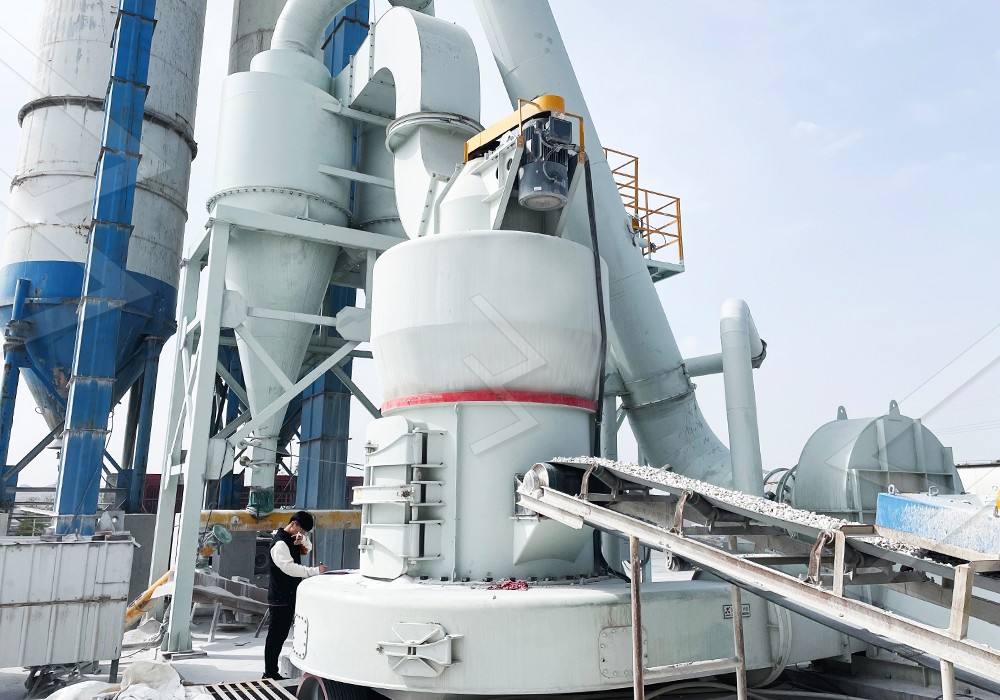
We provide a wide range of mills — including Raymond mill, trapezoidal mill, vertical mill, ultrafine mill, and ball mill, obtained ISO9001 international quality certification, EU CE certification, and Customs Union CU-TR certification. Suitable for processing minerals such as limestone, phosphate, quicklime, kaolin, talc, barite, bentonite, calcium carbonate, dolomite, coal, gypsum, clay, carbon black, slag, cement raw materials, cement clinker, and more.
The discharge range of these mills can be adjusted to meet specific processing needs, typically from 80-400 mesh, 600-3250 mesh, and can achieve the finest particle size of up to 6000 mesh(D50).
If you are looking for a reliable grinding solution to turn stone or minerals into fine powder, please feel free to contact our online customer service.
Top Trends in Industrial Mica Powder Production Technology
The industrial mica powder sector is undergoing a significant transformation, driven by evolving demands for higher purity, finer particle sizes, and more sustainable manufacturing processes. As a key ingredient in plastics, paints, cosmetics, and electronics, the quality of mica powder directly impacts the performance of the final product. Staying abreast of the latest technological advancements is no longer a luxury but a necessity for producers aiming to maintain a competitive edge.
The Push for Ultrafine and Consistent Particle Sizes
One of the most prominent trends is the relentless pursuit of ultrafine grinding. Customers now routinely demand powders in the range of 2500 mesh and beyond, with a narrow particle size distribution. This is crucial for applications like high-quality coatings and advanced polymers, where consistency ensures uniform dispersion and superior finish. Traditional ball mills struggle to achieve this level of fineness efficiently, leading to higher energy costs and inconsistent results.
Energy Efficiency and Sustainability Take Center Stage
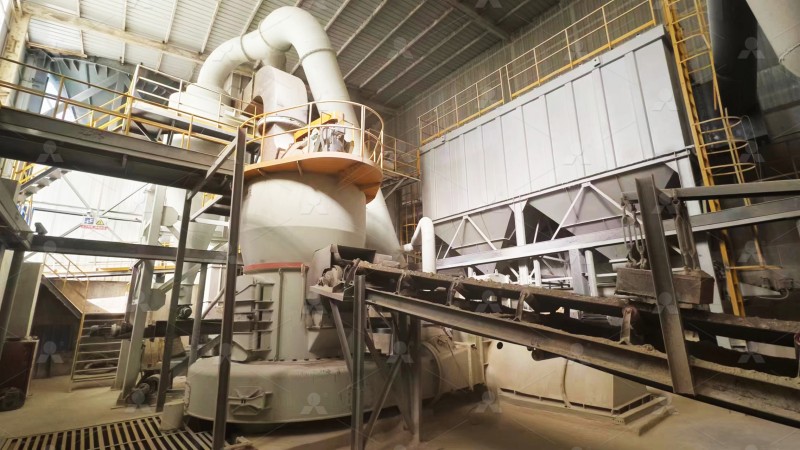
Operational costs and environmental impact are major concerns. Modern grinding technology addresses this by focusing on designs that deliver higher yields with significantly lower energy consumption. Advanced mills can achieve the same output as traditional systems while using 30-50% less power. Furthermore, integrated pulse dust collectors and advanced muffling systems are now standard, ensuring that production meets stringent environmental regulations without compromising on performance.
Smart, Automated, and Maintenance-Friendly Systems
Digitalization is revolutionizing the factory floor. Newer grinding mills feature PLC control systems that allow for precise digital adjustment of grinding pressure, rotor speed, and fineness. This not only optimizes the process for different material batches but also enables remote monitoring and operation. Another critical innovation is the design of maintenance-friendly components. For instance, the elimination of rolling bearings and screws within the grinding chamber itself drastically reduces the risk of mechanical failure and contamination from worn parts.
Highlighting a Key Technology: MW Ultrafine Grinding Mill
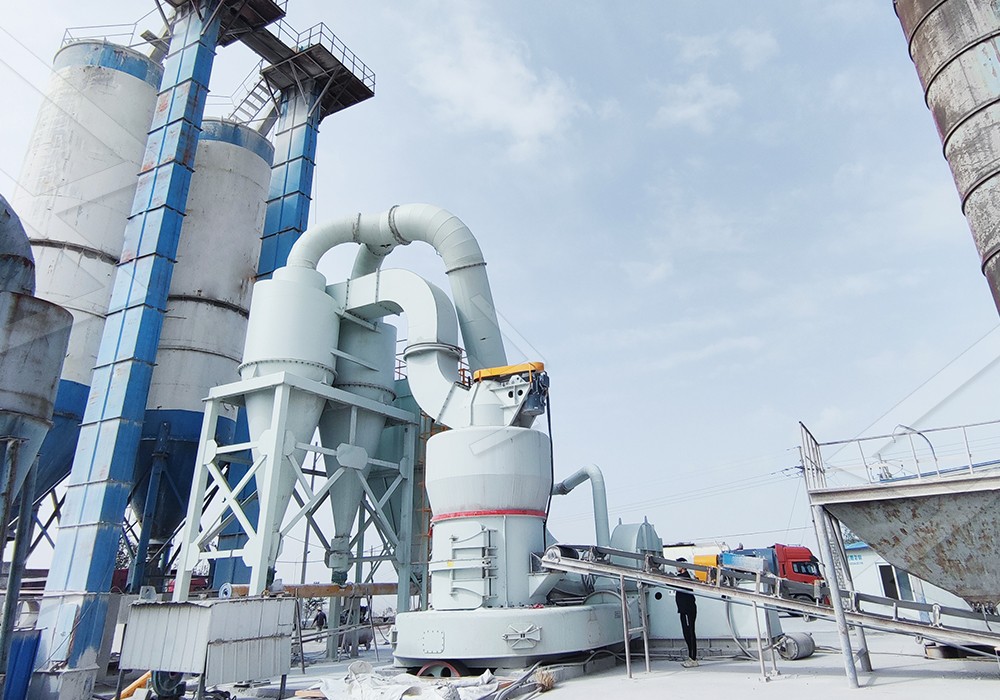
For operations focused on producing the highest quality ultra-fine mica powder, the MW Ultrafine Grinding Mill represents a pinnacle of these industry trends. This machine is specifically engineered for customers who need to make ultra-fine powder with precision and efficiency.
- Superior Efficiency: Its newly designed grinding curves enhance efficiency, offering production capacity 40% higher than jet mills and twice that of ball mills, all while reducing system energy consumption by 30%.
- Precision Fineness: With a German-designed cage-type powder selector, it allows adjustable fineness between 325-2500 meshes, achieving a precise d97≤5μm in a single pass.
- Unmatched Reliability: A key design advantage is the absence of rolling bearings and screws in the grinding chamber. This eliminates common failure points and allows for external lubrication without shutdown, supporting continuous 24/7 production.
- Eco-Conscious Operation: Equipped with an efficient pulse dust collector and silencer, the entire milling system operates with minimal dust and noise pollution, ensuring full compliance with national environmental standards.
Ideal for mica, as well as limestone, calcite, and talc, the MW Ultrafine Grinding Mill is the go-to solution for producers in the chemical, paint, cosmetics, and food additive industries who refuse to compromise on quality or sustainability.
The Future is Integrated and Intelligent
Looking ahead, the integration of AI and machine learning for predictive maintenance and process optimization is the next frontier. The goal is to create fully autonomous grinding systems that self-adjust in real-time to feed stock variations, ensuring perfect quality with minimal human intervention. As these trends converge, the ability to produce superior mica powder efficiently and cleanly will define the industry leaders.