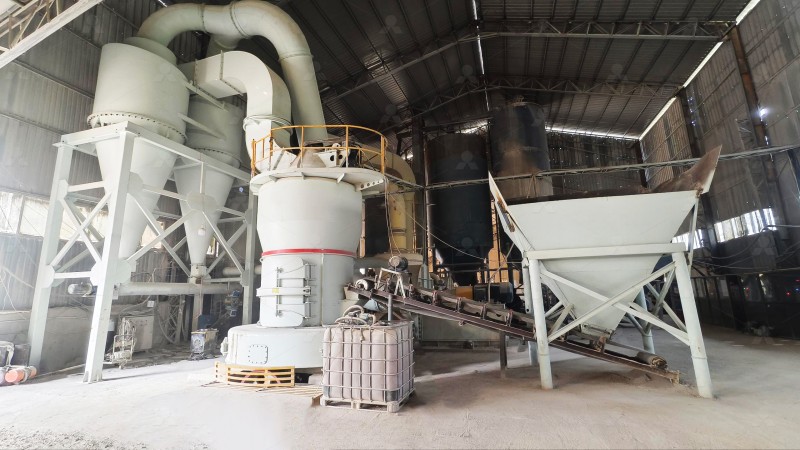
Top Rotary Small Gold Mill Manufacturers for Efficient Mineral Processing
We provide a wide range of mills — including Raymond mill, trapezoidal mill, vertical mill, ultrafine mill, and ball mill, obtained ISO9001 international quality certification, EU CE certification, and Customs Union CU-TR certification. Suitable for processing minerals such as limestone, phosphate, quicklime, kaolin, talc, barite, bentonite, calcium carbonate, dolomite, coal, gypsum, clay, carbon black, slag, cement raw materials, cement clinker, and more.
The discharge range of these mills can be adjusted to meet specific processing needs, typically from 80-400 mesh, 600-3250 mesh, and can achieve the finest particle size of up to 6000 mesh(D50).
If you are looking for a reliable grinding solution to turn stone or minerals into fine powder, please feel free to contact our online customer service.
Unlocking Efficiency in Mineral Processing: The Role of Advanced Grinding Mills
In the demanding world of mineral processing, efficiency, reliability, and precision are not just desirable—they are essential for profitability. For operations focused on precious metals like gold, selecting the right grinding equipment is a critical decision that impacts everything from throughput and particle size distribution to operational costs and environmental compliance. Top manufacturers understand that a one-size-fits-all approach doesn’t work; instead, they offer a suite of specialized mills designed to meet specific processing challenges.
The Pursuit of Ultra-Fine Gold Liberation
Effective gold extraction often requires liberating the precious metal from its host rock at an ultra-fine level. This demands grinding technology that can achieve consistently fine meshes without excessive energy consumption or wear. This is where advanced ultrafine grinding mills truly shine, offering a significant advantage over traditional ball mills or older Raymond mill designs.
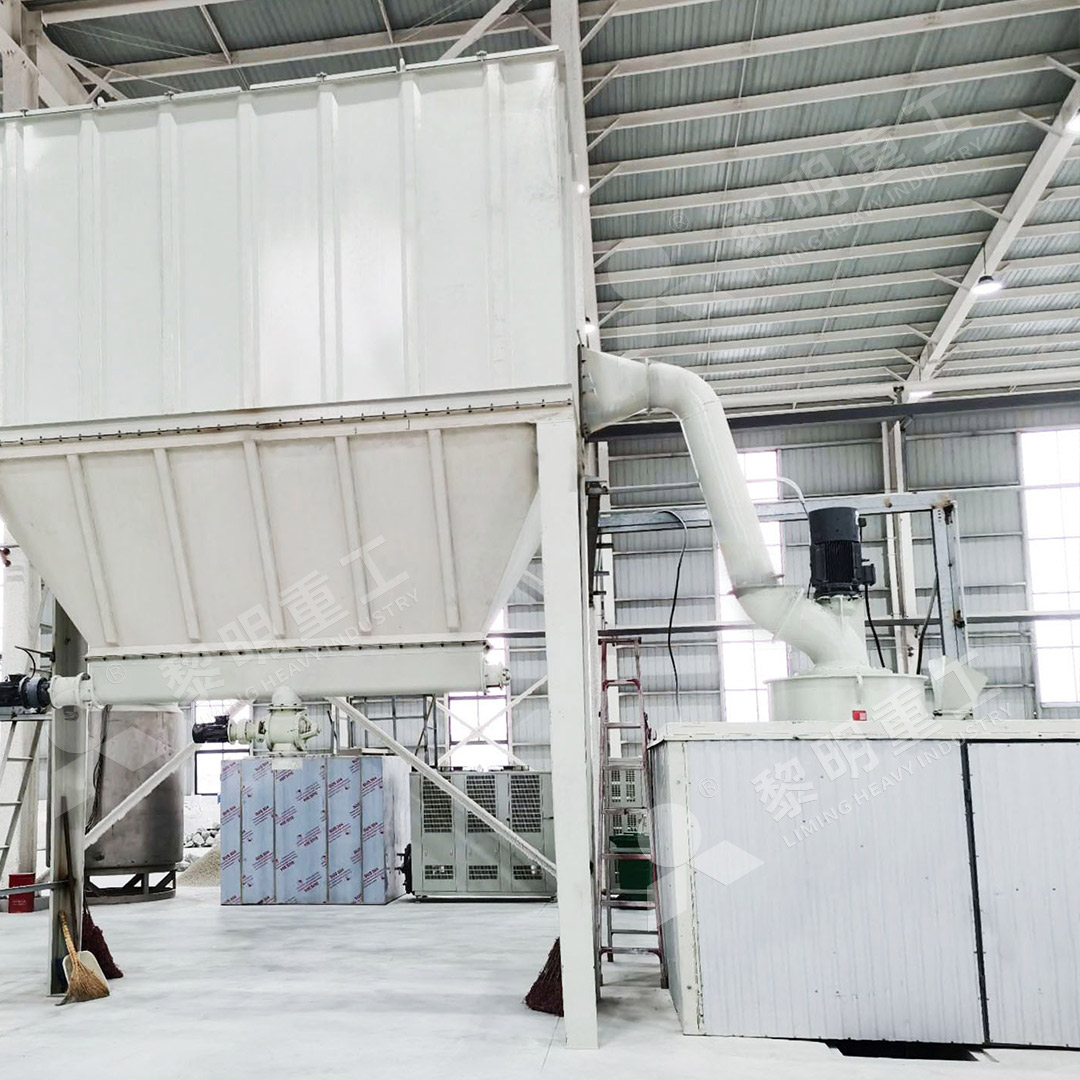
For operations that need to make ultra-fine powder, the MW Ultrafine Grinding Mill is a standout peice of equipment. Designed for customers who require precise control over fineness, this machine is a workhorse. It handles an input size of 0-20 mm and offers a capacity range of 0.5-25 tph, making it versatile for various small to medium-scale operations. A key advantage is its eco-friendly design; it comes equipped with an efficient pulse dust collector and muffler, significantly reducing dust and noise pollution, ensuring the entire production process meets strict environmental standards. Its ability to adjust fineness between 325-2500 meshes with high precision, thanks to its German-technology cage-type powder selector, makes it ideal for achieving the perfect liberation for gold and other valuable minerals.
Beyond Ultrafine: The Vertical Grinding Advantage
While ultrafine mills are crucial, other grinding solutions play a vital role in a comprehensive processing circuit. Vertical grinding mills have revolutionized the industry by integrating multiple steps—crushing, drying, grinding, classifying, and conveying—into a single, compact unit. This integration drastically reduces the plant’s footprint and overall energy consumption.
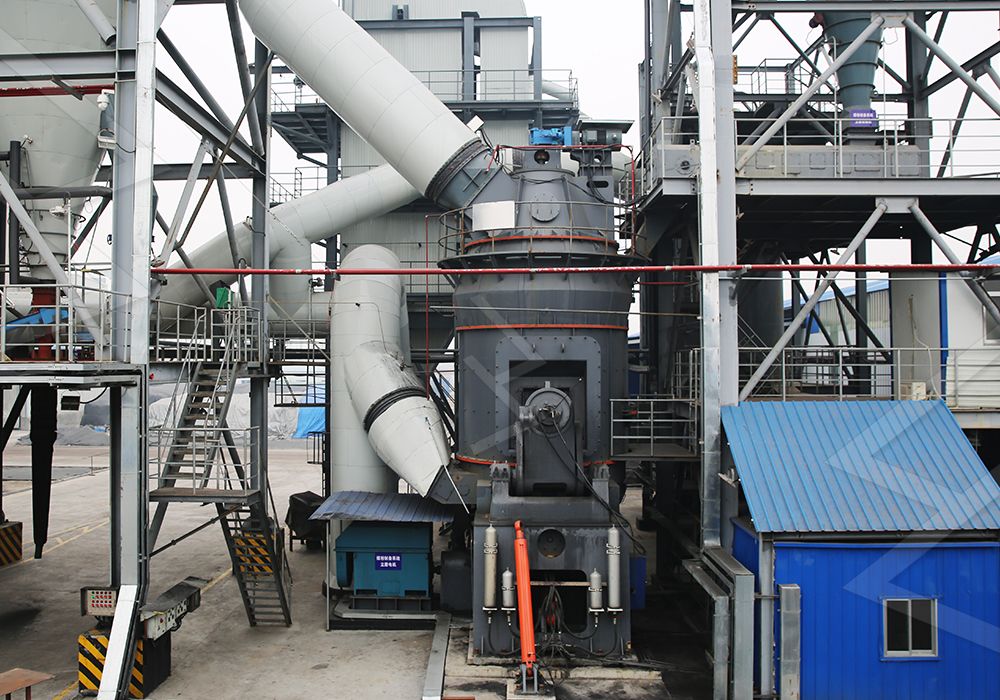
Another exceptional offering for operations seeking efficiency is the LUM Ultrafine Vertical Grinding Mill. This mill combines the latest Taiwanese grinding roller technology with German powder separating technology. It accepts a feed size of 0-10 mm and processes material at a rate of 5-18 tph. Its unique roller shell and lining plate grinding curve are designed to easily generate a material layer, enabling a high rate of finished product in a single pass. This design not only boosts efficiency but also improves the whiteness and cleanliness of the final product—a crucial factor for many industrial applications. Features like double position-limiting technology ensure stable operation, while its reversible structure simplifies maintenance, a critical consideration for minimizing downtime in remote mining locations.
Choosing the Right Manufacturer
Selecting a top manufacturer goes beyond the machine specs. It’s about partnering with a provider that offers comprehensive support, from digitalized processing for higher machine precision to a sufficient supply of genuine spare parts for worry-free operation. The best manufacturers engineer their mills with features that directly address operational pain points: higher yielding rates, lower energy consumption, easier maintenance, and more environmentally friendly operation. When evaluating manufacturers, consider their experience, technological innovation, and commitment to after-sales service to ensure your mineral processing plant runs at peak efficiency for years to come.