
Top Raymond Mill Brands for Superior Quality and Performance
We provide a wide range of mills — including Raymond mill, trapezoidal mill, vertical mill, ultrafine mill, and ball mill, obtained ISO9001 international quality certification, EU CE certification, and Customs Union CU-TR certification. Suitable for processing minerals such as limestone, phosphate, quicklime, kaolin, talc, barite, bentonite, calcium carbonate, dolomite, coal, gypsum, clay, carbon black, slag, cement raw materials, cement clinker, and more.
The discharge range of these mills can be adjusted to meet specific processing needs, typically from 80-400 mesh, 600-3250 mesh, and can achieve the finest particle size of up to 6000 mesh(D50).
If you are looking for a reliable grinding solution to turn stone or minerals into fine powder, please feel free to contact our online customer service.
Navigating the World of High-Performance Grinding: A Guide to Leading Mill Technologies
In the demanding sectors of mining, construction, and industrial mineral processing, the choice of grinding equipment is not merely a purchase—it’s a long-term strategic investment. The right mill directly impacts product quality, operational efficiency, energy consumption, and ultimately, the bottom line. While the term “Raymond mill” has become a generic descriptor for pendulum roller mills, the market is led by innovators who have evolved far beyond the original design. This article explores the hallmarks of top-tier grinding mill brands and the advanced technologies that define superior performance today.
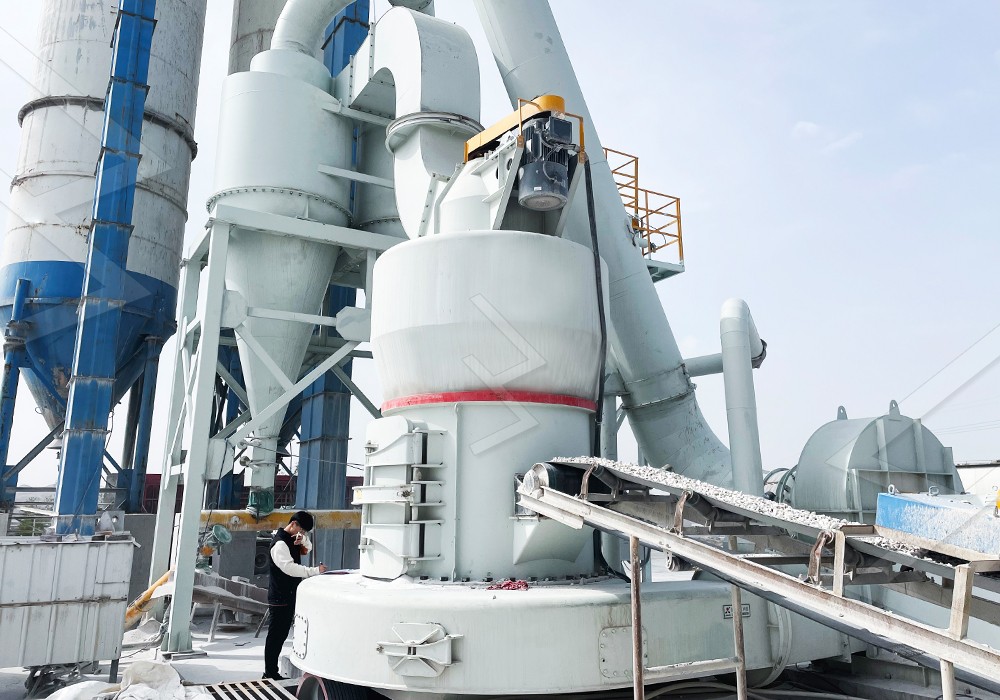
Hallmarks of a Leading Brand: Beyond Basic Grinding
True industry leaders distinguish themselves through a commitment to engineering excellence, sustainability, and operational intelligence. Key differentiators include:
- Energy Intelligence: Superior mills are designed with holistic energy savings in mind, from optimized grinding curves and efficient classifiers to reduced system air resistance, often achieving 30-50% lower consumption compared to older technologies.
- Precision and Purity: The ability to produce consistent, ultra-fine powders (from 325 to 2500 meshes) with low iron contamination is paramount for high-value applications in chemicals, paints, and cosmetics.
- Operational Resilience: Robust design features like external lubrication systems, reversible rollers for easier maintenance, and intelligent limiting technologies prevent catastrophic failures and minimize unplanned downtime.
- Environmental Stewardship: Integrated pulse-jet dust collectors, silencers, and fully sealed negative-pressure systems ensure operations meet stringent international environmental standards, protecting both workers and the surrounding community.
- Digital Integration: From CNC-machined core components for perfect tolerances to PLC-controlled systems allowing precise adjustment of grinding parameters, digitalization is now a standard for precision and reliability.
The Evolution of a Leader: Spotlight on LIMING’s Advanced Solutions
As a manufacturer with deep expertise across the entire spectrum of size reduction, LIMING Heavy Industry exemplifies this progression from traditional milling to intelligent, application-specific solutions. Their portfolio addresses every need, from high-capacity raw material preparation to the most delicate superfine powder production. Two standout models in their lineup for achieving superior fine and ultra-fine powder quality are particularly noteworthy.
For operations requiring exceptional versatility in producing ultra-fine powders, the MW Ultrafine Grinding Mill represents a significant leap forward. Engineered for customers who need to make precise ultra-fine powder between 325-2500 meshes, this mill incorporates a German-technology cage-type powder selector for exceptional classification accuracy. Its design philosophy eliminates rolling bearings and screws within the grinding chamber, a brilliant move that eradicates common failure points related to bearing seizure or loose hardware. Operators benefit from external lubrication without shutdowns, enabling true 24/7 continuous production. With an input size of 0-20 mm and a capacity range of 0.5-25 tph, it efficiently processes materials like limestone, calcite, dolomite, and talc. Notably, its newly designed grinding curves yield a production capacity up to 40% higher than jet or stirred mills while consuming only 30% of the energy, making it a powerhouse of efficiency.
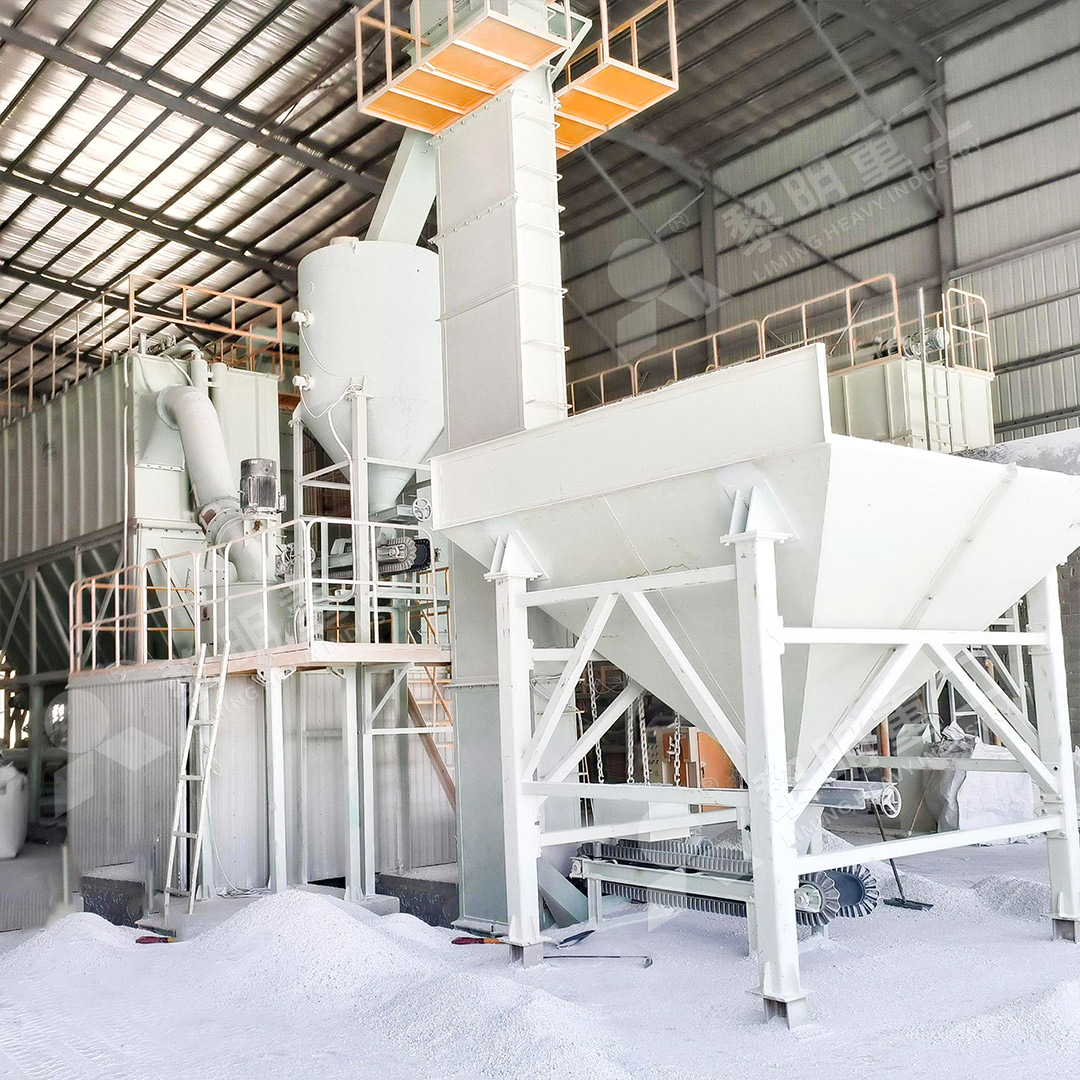
Complementing this is the vertical grinding expertise embodied in the LUM Ultrafine Vertical Grinding Mill. This mill integrates the latest grinding roller and powder separating technologies for a compact, highly efficient footprint. Its unique roller shell and lining plate grinding curve promote stable material bed formation, enabling a high rate of finished product in a single pass. This not only boosts efficiency but also enhances the whiteness and cleanliness of outputs—a critical factor for fillers and pigments. The LUM mill features a multi-head powder separating system controlled by PLC, solving the classic industry dilemma of balancing high-precision cuts with the flexibility to switch production demands rapidly. Furthermore, its reversible structure, aided by a hydraulic system, allows grinding rollers to be easily moved out for inspection or maintenance, drastically reducing service time and associated losses.
Choosing the Right Tool for the Task
The landscape of grinding extends far beyond these two examples. For large-scale, integrated processing of non-metallic minerals and coal, the LM Vertical Grinding Mill excels by combining crushing, drying, grinding, and classifying in a single unit, slashing footprint and energy use by up to 50%. For robust, high-capacity grinding of medium-hard materials, the MTW/MTW-Z European Trapezium Mills offer advanced features like dilute oil lubrication for rollers and elastic damping structures for unparalleled stability.
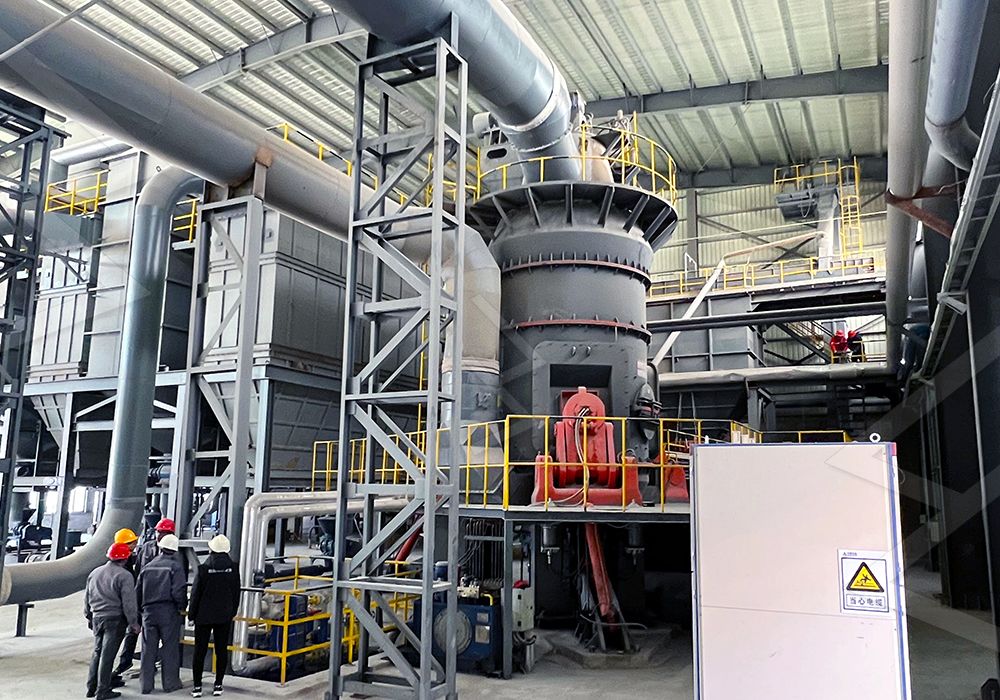
The legacy Raymond Mill (R Series) remains a cost-effective workhorse for simpler applications, while specialized solutions like the LM Vertical Coal Mill and LM Vertical Slag Mill are engineered to tackle specific industrial by-products with high efficiency and reliability.
Conclusion: Performance as a Standard
In conclusion, the top brands in the milling industry are those that consistently push the boundaries of what is possible—transforming raw materials into precisely engineered powders with maximum efficiency and minimum environmental impact. It is a synergy of intelligent mechanical design, digital control, and a unwavering focus on the operator’s experience. When evaluating equipment, looking beyond the basic specification sheet to understand the engineering principles, maintenance philosophy, and proven performance in real-world applications is key to securing a return on investment that grinds on, reliably, for years to come.
Frequently Asked Questions (FAQ)
- What is the primary advantage of a vertical grinding mill over a traditional Raymond mill?
Vertical mills like the LM or LUM series integrate multiple processes (drying, grinding, classification) into a single, compact unit. They typically offer significantly higher energy efficiency (30-50% savings), a smaller footprint, better control over product fineness, and lower wear rates due to the material bed grinding principle, making them superior for large-scale and ultra-fine grinding operations. - How do I choose between an MW Ultrafine Grinding Mill and a LUM Ultrafine Vertical Mill for my ultra-fine powder production?
Both are excellent for ultra-fine powders. The MW mill, with its absence of internal bearings and screws, offers exceptional reliability for continuous 24/7 operation and is often favored for its robust simplicity in achieving high fineness. The LUM vertical mill excels in applications where space is at a premium and where superior product whiteness/purity from its efficient, single-pass grinding curve is critical. A detailed analysis of your specific material, desired capacity, and product specifications is recommended. - Can these advanced mills handle hard or abrasive materials?
Yes, but with configuration. Mills like the MTW-Z European Trapezium Mill and LM Vertical Mill use wear-resistant alloys for grinding rollers and rings. The grinding pressure in vertical mills can also be adjusted hydraulically to suit material hardness. However, for extremely abrasive materials, the specific wear rate and maintenance schedule for vulnerable parts should be carefully evaluated during the selection process. - What measures are in place to ensure environmental compliance during operation?
Leading mills are designed as closed, negative-pressure systems. They are equipped with high-efficiency pulse-jet dust collectors (often achieving a collection efficiency over 99.9%) and multi-stage silencers or soundproof rooms. This ensures dust emissions and noise levels are well within national and international environmental protection standards. - How is the fineness of the final powder controlled and adjusted?
Fineness is primarily controlled by the speed of the integrated powder separator (classifier). In advanced models like the MW and LUM mills, this involves adjusting the rotational speed of a cage-type or multi-head rotor selector via the PLC control system. This allows for precise, real-time adjustment of the cut point without stopping production. - What kind of after-sales support and spare parts availability can be expected from a top brand?
Reputable manufacturers maintain a comprehensive supply chain for original spare parts, especially for core wear parts like grinding rolls and rings. They provide technical services, installation guidance, and operational training to ensure worry-free operation and maximize the equipment’s lifespan and productivity.