
Top Industrial Grinder Machines for Efficient Rock & Mineral Processing
We provide a wide range of mills — including Raymond mill, trapezoidal mill, vertical mill, ultrafine mill, and ball mill, obtained ISO9001 international quality certification, EU CE certification, and Customs Union CU-TR certification. Suitable for processing minerals such as limestone, phosphate, quicklime, kaolin, talc, barite, bentonite, calcium carbonate, dolomite, coal, gypsum, clay, carbon black, slag, cement raw materials, cement clinker, and more.
The discharge range of these mills can be adjusted to meet specific processing needs, typically from 80-400 mesh, 600-3250 mesh, and can achieve the finest particle size of up to 6000 mesh(D50).
If you are looking for a reliable grinding solution to turn stone or minerals into fine powder, please feel free to contact our online customer service.
Top Industrial Grinder Machines for Efficient Rock & Mineral Processing
In the demanding world of mining and mineral processing, efficiency, reliability, and final product quality are paramount. Selecting the right grinding equipment is not just a purchase; it’s a critical investment in your operation’s entire downstream process. The ideal machine must reduce raw, hard rock and minerals into fine, consistent powders with minimal energy consumption and maximum yield. Let’s break down some of the top technologies dominating the industry today.
The Backbone of Processing: From Coarse to Fine
Every operation starts with primary crushing, but the real magic happens in the grinding mills. Traditional workhorses like Ball Mills and Raymond Mills have served the industry for decades, offering proven, lower-capacity solutions for a variety of materials. However, technological advancements have pushed the envelope, leading to highly efficient vertical and specialized mills that offer significant advantages in larger-scale operations.
The Shift to Vertical Grinding Technology
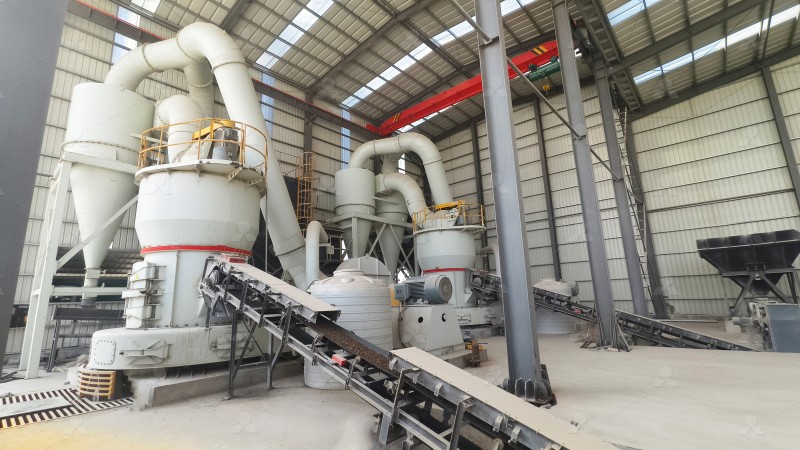
Vertical roller mills have revolutionized mineral processing. Their compact design integrates multiple steps—drying, grinding, classifying, and conveying—into a single, footprint-efficient unit. This integration alone can reduce energy consumption by 30-40% compared to traditional ball mill systems. Models like the LM Vertical Grinding Mill are exceptional for high-capacity requirements (up to 340 tph!), handling everything from limestone and calcite to petroleum coal and slag. Their ability to operate under negative pressure also makes them a cleaner, more environmentally friendly option.
Pushing the Limits: Ultrafine Grinding Solutions
For applications demanding exceptionally fine powders (think cosmetics, high-performance fillers, or advanced ceramics), standard grinding simply won’t cut it. This is where ultrafine grinding mills come into play. These machines are engineered to produce powders in the range of 325 to 2500 meshes, a fineness far beyond the capability of most standard equipment.
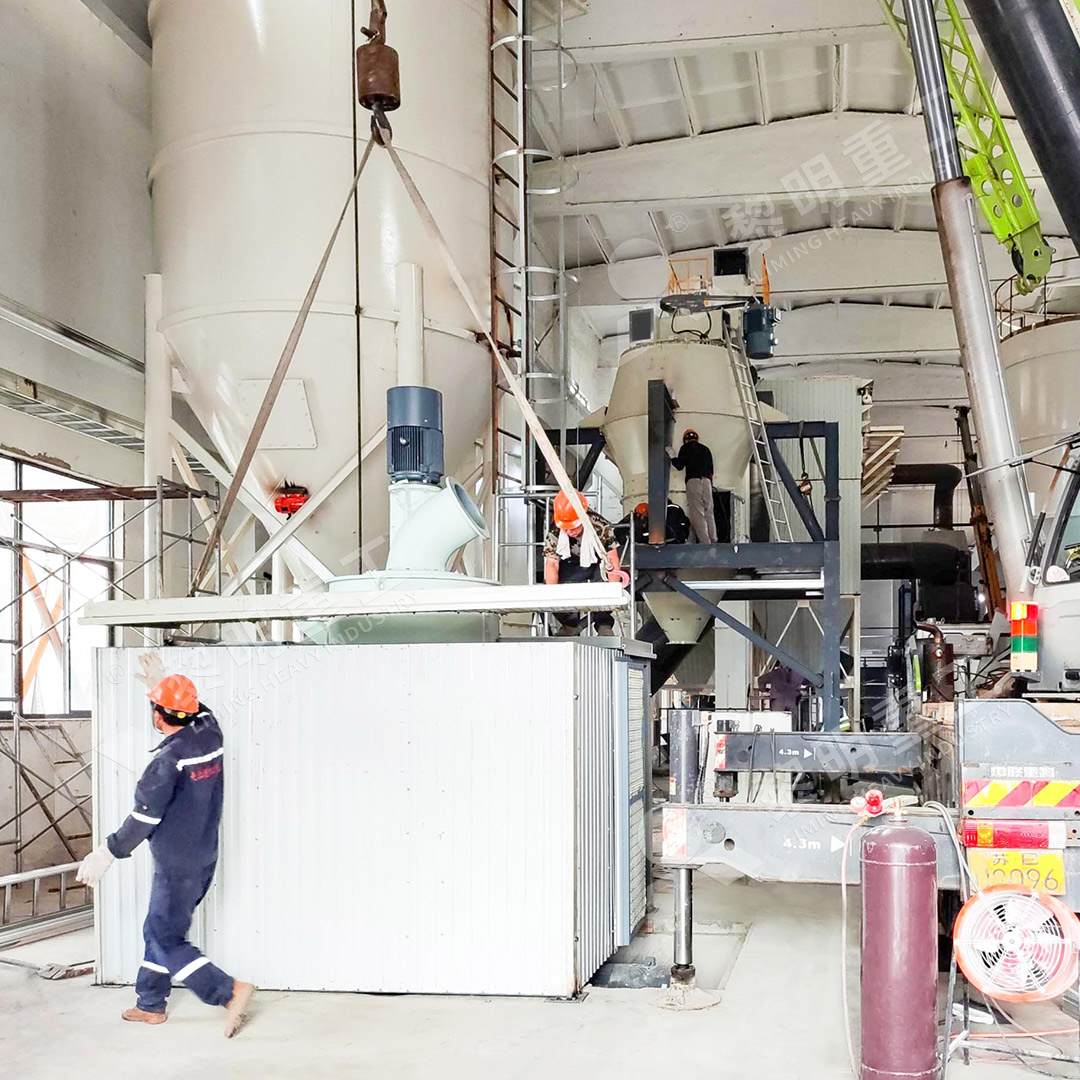
For operations that require this level of precision, we highly recommend considering our MW Ultrafine Grinding Mill. This machine is a beast designed for making ultra-fine powder. It handles an input size of 0-20 mm with a capacity ranging from 0.5 to 25 tph. What sets it apart is its incredible efficiency; it boasts a production capacity 40% higher than jet mills and twice that of ball mills for the same power input. Its cage-type powder selector, leveraging German technology, ensures precise separation for a consistent product fineness between 325-2500 meshes. Furthermore, its innovative design eliminates rolling bearings and screws in the grinding chamber, virtually eradicating concerns about mechanical failure from these components. Paired with an efficient pulse dust collector and muffler, it operates with remarkably low dust and noise, making it a leader in eco-friendly milling technology.
Another Powerhouse: The Vertical Advantage for Finer Feeds
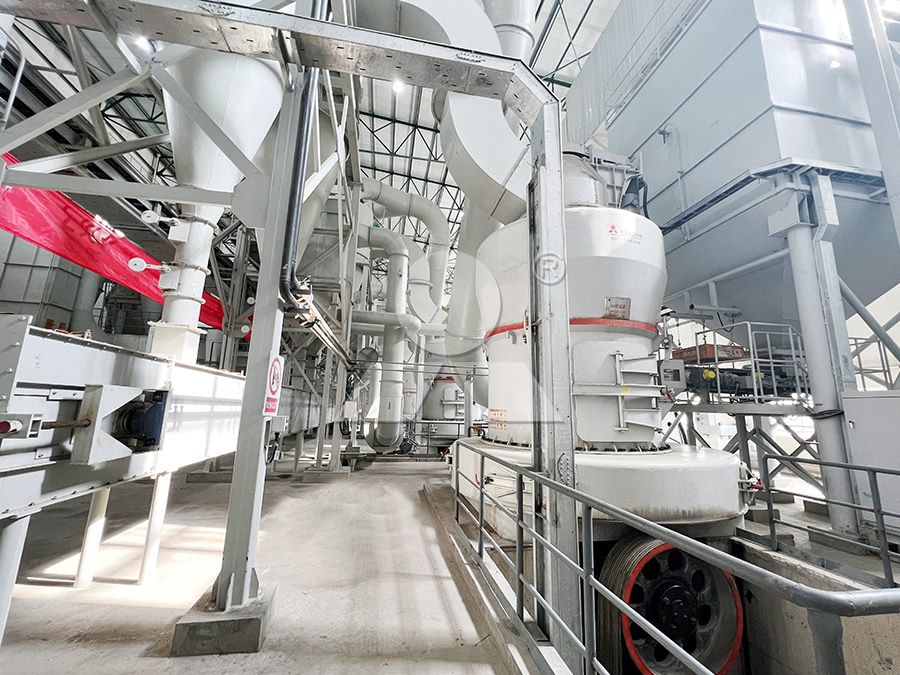
Another standout in our lineup for fine powder production is the LUM Ultrafine Vertical Grinding Mill. Perfect for slightly smaller feed sizes (0-10 mm) with a capacity of 5-18 tph, this mill is a masterclass in modern engineering. It incorporates the latest Taiwanese grinding roller technology and German powder separating technology. Its unique roller shell and lining plate grinding curve are designed to easily generate a material layer, enabling a high rate of finished product in a single pass. This not only boosts efficiency but also improves the whiteness and cleanliness of the final powder—a critical factor for many industrial buyers. The double position-limiting technology is a genius addition, providing exceptional operational stability by preventing destructive impacts from machine vibration.
Choosing the Right Tool for the Job
So, how do you choose? It boils down to your specific needs:
- For high-capacity, general mineral grinding: Look at LM Vertical or European Trapezium Mills.
- For specialized, ultra-fine powders with top-tier efficiency: The MW Ultrafine Grinding Mill is an unparalleled choice.
- For fine powders where product purity and stability are key: The LUM Ultrafine Vertical Grinding Mill excels.
The Bottom Line
Investing in the right grinding technology is a strategic decision that impacts your bottom line, product quality, and environmental footprint. Moving beyond outdated technology to modern, efficient mills like the MW or LUM series can unlock new levels of productivity and product value. Always consult with an expert to match the machine’s capabilities—feed size, capacity, and desired fineness—to your raw material and business goals. The perfect grind is out there.