
Top Indonesian Ball Mill Exporters and Suppliers for Industrial Grinding
We provide a wide range of mills — including Raymond mill, trapezoidal mill, vertical mill, ultrafine mill, and ball mill, obtained ISO9001 international quality certification, EU CE certification, and Customs Union CU-TR certification. Suitable for processing minerals such as limestone, phosphate, quicklime, kaolin, talc, barite, bentonite, calcium carbonate, dolomite, coal, gypsum, clay, carbon black, slag, cement raw materials, cement clinker, and more.
The discharge range of these mills can be adjusted to meet specific processing needs, typically from 80-400 mesh, 600-3250 mesh, and can achieve the finest particle size of up to 6000 mesh(D50).
If you are looking for a reliable grinding solution to turn stone or minerals into fine powder, please feel free to contact our online customer service.
Navigating the Indonesian Grinding Mill Landscape
Indonesia’s industrial sector is booming, and with it comes a massive demand for reliable, efficient grinding equipment. From processing limestone for construction to pulverizing coal for energy, the right mill is the heart of countless operations. While traditional ball mills have been the workhorse for decades, advancements in grinding technology are offering unprecedented gains in efficiency, yield, and environmental compliance. For companies looking to stay competitive, understanding these options is key.
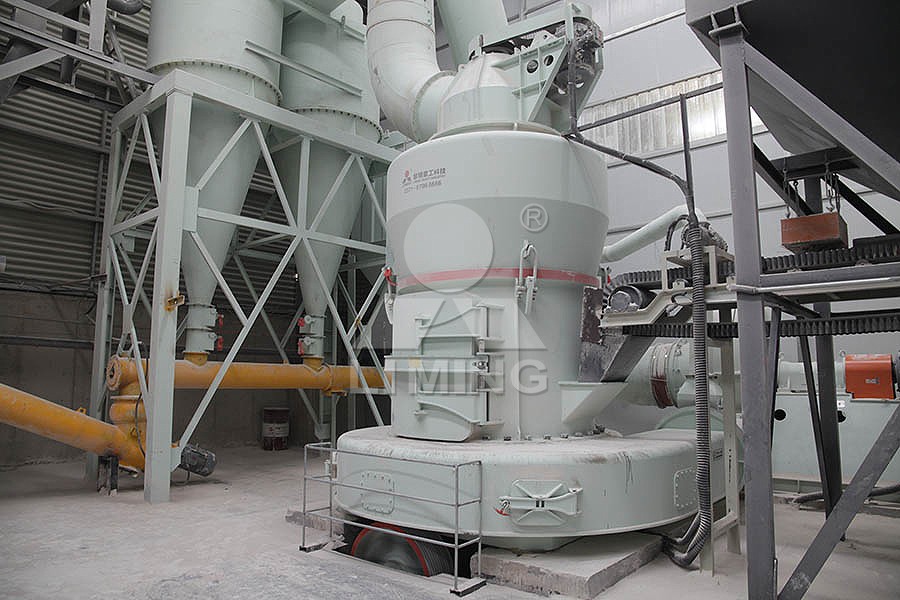
Beyond the Traditional Ball Mill
Let’s be real, the classic ball mill gets the job done. It’s a familiar, robust piece of kit. But its drawbacks are well-known: high energy consumption, significant noise, and potential for contamination. For modern applications requiring ultra-fine powders or operating under strict environmental regulations, it can often fall short. This is where newer, more specialized grinding technologies are seizing the market.
Leading suppliers are now offering solutions that integrate crushing, drying, grinding, and classifying into a single, compact system. These mills aren’t just about grinding; they’re about optimizing the entire size reduction process for lower operational costs and a smaller carbon footprint. The real differentiator for top-tier exporters is their ability to provide this advanced technology backed by local technical support and a guaranteed supply of genuine spare parts—a critical consideration for minimizing downtime in remote locations.
A Spotlight on Advanced Grinding Solutions
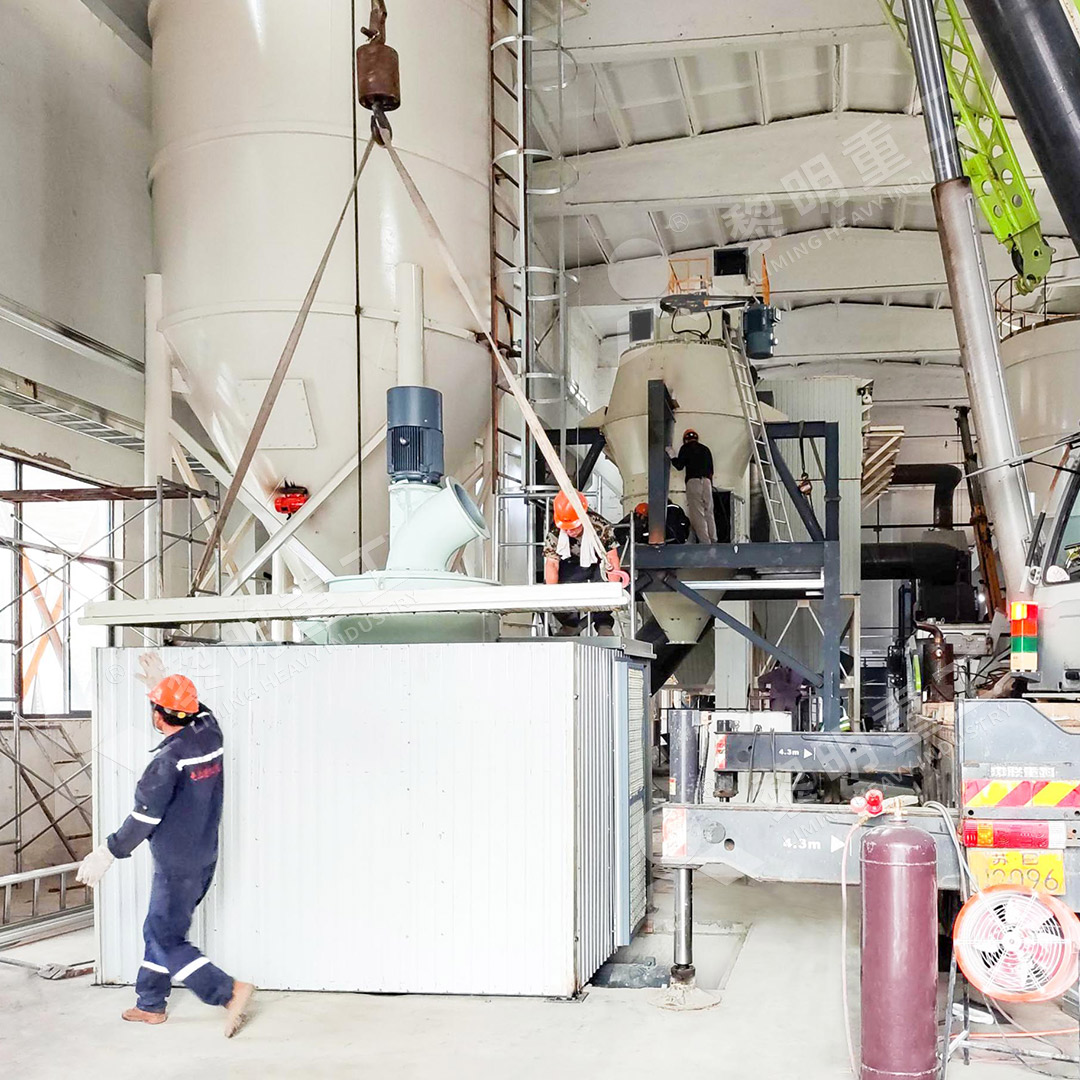
For operations that need to produce ultra-fine powders between 325-2500 meshes, the MW Ultrafine Grinding Mill is an absolute game-changer. This isn’t your average mill. It’s engineered for customers who need to make ultra-fine powder without the headaches. With an input size of 0-20 mm and a capacity ranging from 0.5 to 25 tons per hour, it’s incredibly versatile.
What truly sets it apart? Firstly, its higher yielding and lower energy consumption. Its newly designed grinding curves make it 40% more efficient than jet mills and twice as productive as ball mills, all while slashing system energy use by 70%. Secondly, its design is brilliantly simple and maintenance-friendly. The absence of rolling bearings and screws in the grinding chamber means you’re free from worries about bearing failures or loose screws causing catastrophic damage. Lubrication can even be done externally without shutting down, enabling true 24/7 continuous production. Finally, it’s built for the modern world, equipped with an efficient pulse dust collector and muffler to drastically reduce dust and noise, ensuring your operation stays within environmental standards.
Why Indonesian Industries Are Making the Switch
The economic argument is compelling. Lower energy consumption directly translates to lower operating costs, a major advantage given local energy prices. The reduced need for maintenance and longer lifespan of wear parts further decreases the total cost of ownership. Furthermore, as Indonesian environmental regulations become increasingly stringent, the MW Mill’s eco-friendly design, with its integrated dust removal and noise reduction, provides crucial future-proofing. It’s perfectly suited for a wide range of materials critical to the Indonesian economy, including limestone, calcite, gypsum, barite, and coal powder.
Choosing the Right Partner
Selecting a mill is only half the battle. Choosing the right supplier is equally important. The best Indonesian exporters and suppliers distinguish themselves through more than just their product catalogs. They offer comprehensive technical support, help with plant layout and design, and provide training for your operators. Most importantly, they guarantee a sufficient supply of original spare parts, ensuring worry-free operation for years to come.
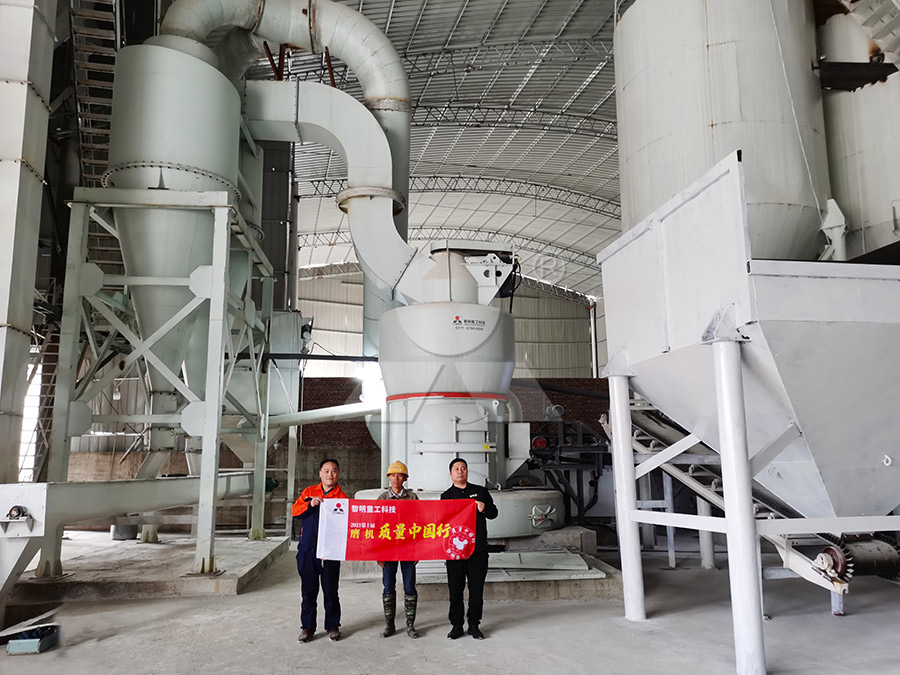
In conclusion, while the ball mill remains a viable option for many, the future of industrial grinding in Indonesia is moving towards smarter, more efficient, and cleaner technologies. For businesses looking to upgrade their capabilities, reduce costs, and improve their environmental standing, exploring advanced solutions like the MW Ultrafine Grinding Mill is not just an option—it’s a strategic imperative.