
Top Indonesian Ball Mill Exporters and Suppliers for Industrial Grinding
We provide a wide range of mills — including Raymond mill, trapezoidal mill, vertical mill, ultrafine mill, and ball mill, obtained ISO9001 international quality certification, EU CE certification, and Customs Union CU-TR certification. Suitable for processing minerals such as limestone, phosphate, quicklime, kaolin, talc, barite, bentonite, calcium carbonate, dolomite, coal, gypsum, clay, carbon black, slag, cement raw materials, cement clinker, and more.
The discharge range of these mills can be adjusted to meet specific processing needs, typically from 80-400 mesh, 600-3250 mesh, and can achieve the finest particle size of up to 6000 mesh(D50).
If you are looking for a reliable grinding solution to turn stone or minerals into fine powder, please feel free to contact our online customer service.
Navigating the Indonesian Grinding Mill Landscape
Indonesia’s industrial sector, particularly mining, construction, and chemical processing, relies heavily on efficient and reliable grinding machinery. While the term “ball mill” is often used as a catch-all, the modern market offers a diverse range of technologies far superior to traditional options. For companies seeking top-tier equipment, understanding the difference between standard ball mills and advanced grinding solutions is key to boosting productivity and reducing operational costs.
Beyond the Traditional Ball Mill
Conventional ball mills have been the workhorse of the industry for decades. They are known for their robust, albeit simple, design where materials are ground by steel balls in a rotating cylinder. Their advantages often include lower initial investment and a familiarity that makes operators comfortable. However, they come with significant drawbacks: high energy consumption, considerable noise, potential for contamination from grinding media wear, and limited fineness control. For operations requiring ultra-fine powders or dealing with strict environmental regulations, these limitations become major bottlenecks.
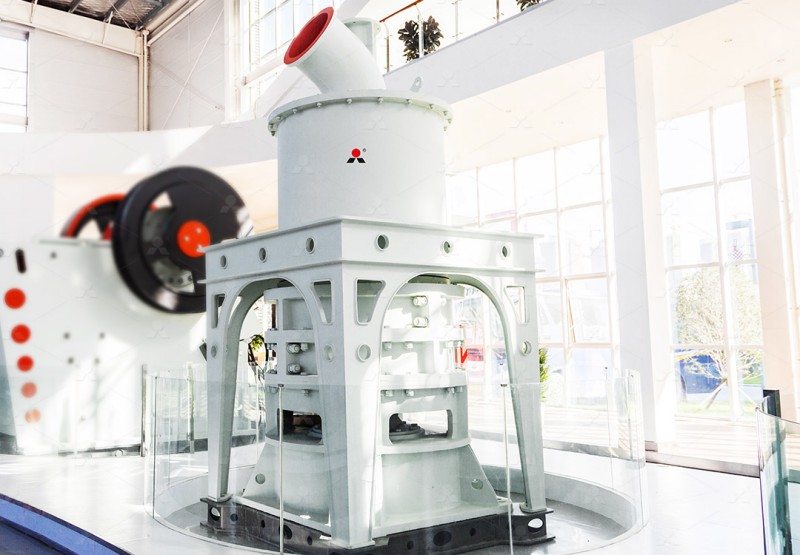
This is where advanced grinding technologies from leading exporters truly shine. Modern mills are engineered for precision, efficiency, and environmental compliance. For instance, one standout solution we provide is the MW Ultrafine Grinding Mill. Designed for customers who need to make ultra-fine powder between 325-2500 meshes, this machine is a game-changer. It handles an input size of 0-20 mm with a capacity ranging from 0.5 to 25 tons per hour. Its key advantage lies in its higher yield and lower energy consumption—it’s 40% more efficient than jet mills and uses only 30% of the energy. Furthermore, its innovative design features no rolling bearings or screws in the grinding chamber, eliminating common failure points and allowing for external lubrication without shutdown. For Indonesian plants processing materials like limestone, calcite, dolomite, or even cosmetics and food additives, the MW series offers a cleaner, more efficient, and worry-free operation, backed by our comprehensive technical support and original spare parts supply.
Choosing the Right Partner
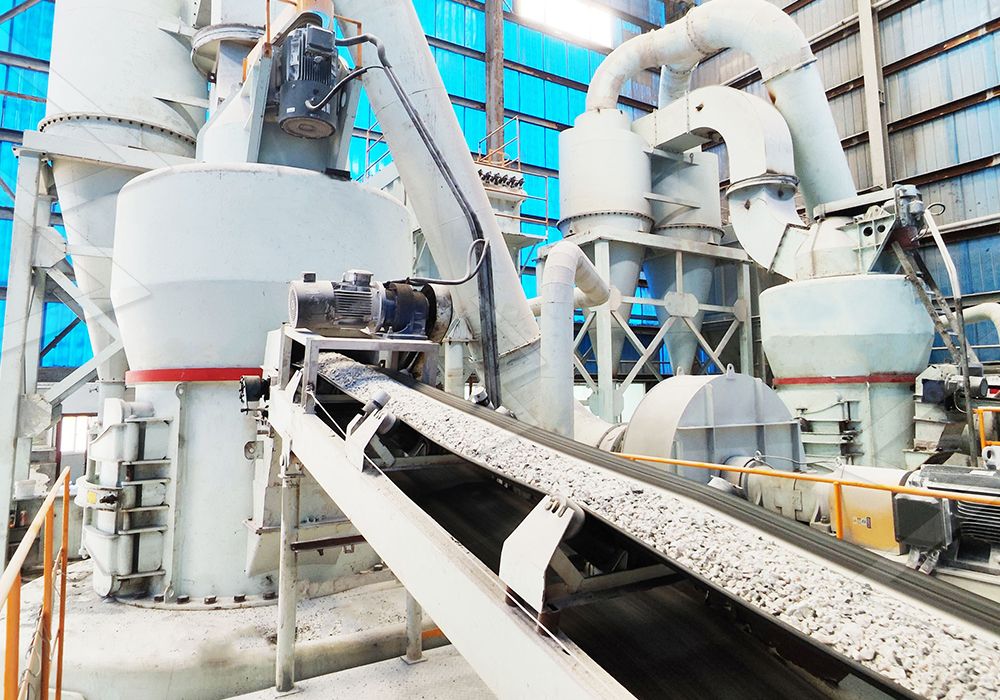
Selecting a supplier isn’t just about buying a machine; it’s about forming a partnership. Top Indonesian exporters distinguish themselves through robust after-sales service, readily available spare parts, and deep technical expertise to ensure your grinding line operates seamlessly. It’s crucial to partner with a company that understands local material characteristics and operational challenges.
Another exceptional offering for specific applications is our LUM Ultrafine Vertical Grinding Mill. This mill integrates grinding, grading, and transporting into a single, compact unit. With an input size of 0-10 mm and a capacity of 5-18 tph, it excels in producing superfine dry powder from non-metal ores. Its unique roller shell and lining plate design promote easier material layer generation, resulting in a higher rate of finished products in a single pass and improved whiteness. The PLC control system and multi-head powder separating technology allow for precise control over grinding parameters, slashing energy consumption by 30-50% compared to conventional mills. For operations focused on quality and energy savings, the LUM series represents the pinnacle of grinding technology.
The Future is Efficient and Green
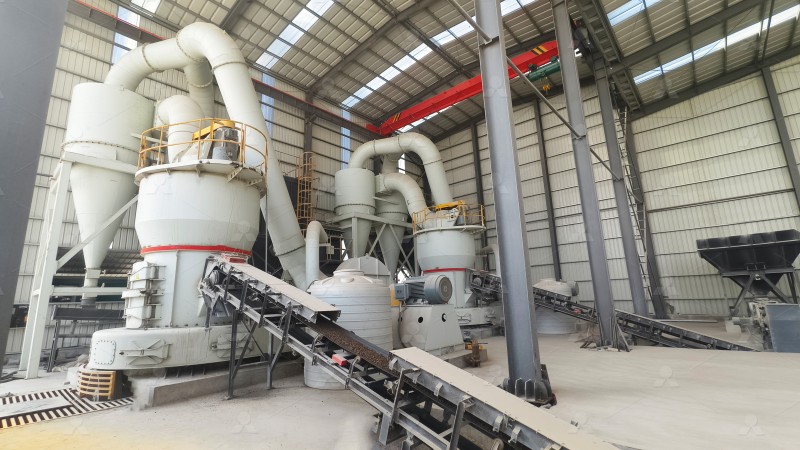
The trend in industrial grinding is unmistakably moving towards higher automation, digitalization, and environmental sustainability. Modern mills are equipped with efficient pulse dust collectors and mufflers, drastically reducing dust and noise pollution to meet stringent national standards. The future belongs to smart, connected mills that offer real-time monitoring and optimization, ensuring maximum uptime and consistent product quality.
When evaluating potential suppliers, look beyond the brochure. Consider their manufacturing precision, commitment to R&D, and their proven track record in delivering sustainable and profitable grinding solutions. The right equipment, paired with the right support, is the foundation for industrial success in Indonesia’s competitive market.