
Top Barite Grinding Mill Manufacturers for Industrial Powder Production
We provide a wide range of mills — including Raymond mill, trapezoidal mill, vertical mill, ultrafine mill, and ball mill, obtained ISO9001 international quality certification, EU CE certification, and Customs Union CU-TR certification. Suitable for processing minerals such as limestone, phosphate, quicklime, kaolin, talc, barite, bentonite, calcium carbonate, dolomite, coal, gypsum, clay, carbon black, slag, cement raw materials, cement clinker, and more.
The discharge range of these mills can be adjusted to meet specific processing needs, typically from 80-400 mesh, 600-3250 mesh, and can achieve the finest particle size of up to 6000 mesh(D50).
If you are looking for a reliable grinding solution to turn stone or minerals into fine powder, please feel free to contact our online customer service.
Navigating the Barite Grinding Landscape: A Manufacturer’s Perspective
The industrial minerals sector, particularly barite processing, demands precision, reliability, and efficiency. Barite, or barium sulfate, is a critical weighting agent in oil and gas drilling fluids and finds extensive use in paints, plastics, and medical applications. Its value is directly tied to its fineness, purity, and consistency, making the choice of grinding equipment paramount. Leading manufacturers distinguish themselves not just by building machines, but by engineering integrated solutions that address the core challenges of modern powder production: energy intensity, environmental compliance, and operational uptime.
The Evolution of Grinding Technology for Ultra-Fine Applications
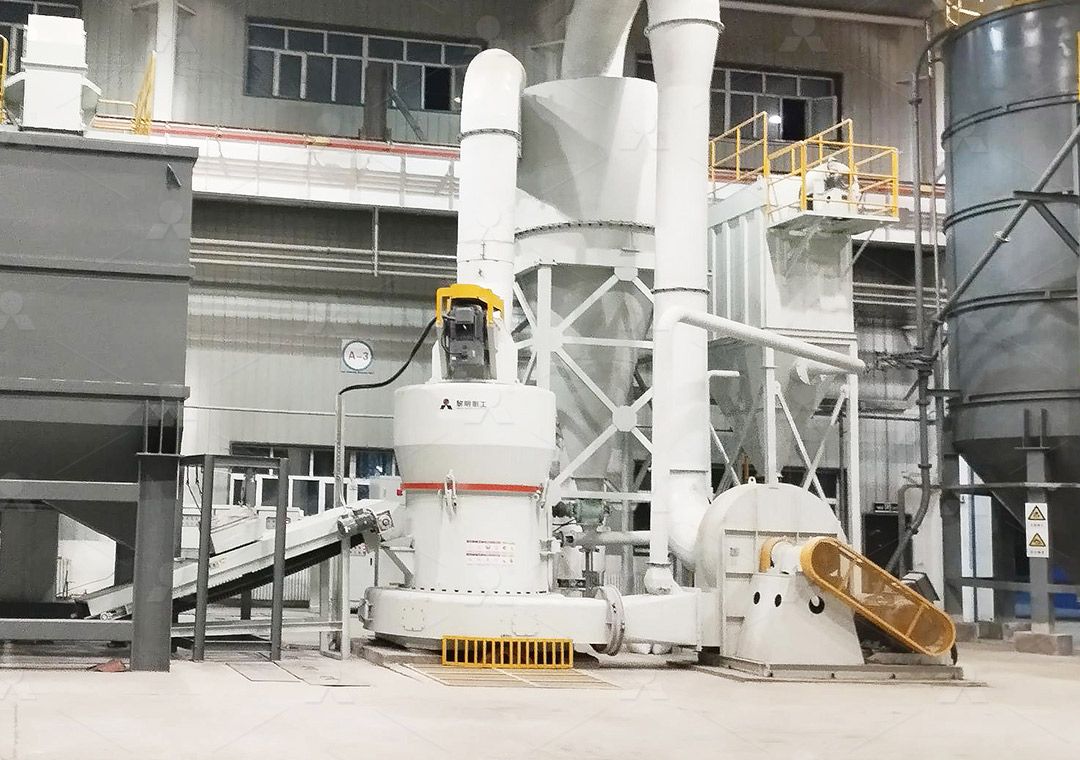
Traditional grinding methods, such as ball mills and early-generation Raymond mills, often fall short for high-value, ultra-fine barite powder. They can struggle with high energy consumption, broad particle size distribution, and contamination from mechanical wear. The industry’s shift is toward advanced, vertical and trapezium mill designs that integrate drying, grinding, classification, and conveying. These systems offer superior control over particle size (often targeting ranges between 325 and 2500 meshes), significantly lower specific energy consumption, and incorporate sophisticated dust collection to meet stringent environmental standards. The hallmark of a top manufacturer is the seamless integration of these subsystems into a stable, automated production line.
Key Differentiators Among Leading Manufacturers
When evaluating manufacturers, several technical facets are non-negotiable. First is grinding efficiency. Advanced curves for grinding rollers and rings, often developed through proprietary research, directly impact yield and energy use. Second is precision classification. Modern cage-type or turbine powder selectors, frequently leveraging German or similar advanced technology, allow for precise cuts and easy adjustment of fineness. Third is operational robustness. Designs that eliminate critical components like rolling bearings and screws from the grinding chamber, or feature reversible roller assemblies, drastically reduce failure points and simplify maintenance. Finally, digital integration and CNC machining of core parts ensure precision, repeatability, and the potential for smart, data-driven operation.

Spotlight on Advanced Solutions: The MW Series Ultrafine Grinding Mill
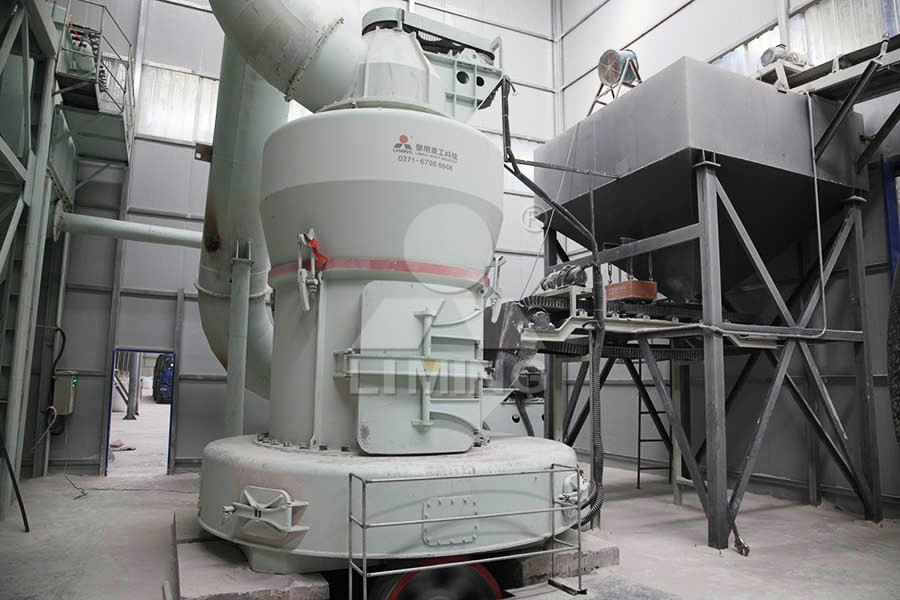
For operations prioritizing ultra-fine powder with exceptional environmental performance, one standout solution is the MW Ultrafine Grinding Mill. This machine is engineered specifically for customers requiring precise, high-quality powders from materials like barite, calcite, and marble. A key innovation is its grinding chamber, which contains no rolling bearings or screws, fundamentally eliminating common failure points and the risk of machine damage from loose components. Its external lubrication system allows for maintenance without shutdown, supporting continuous 24/7 production crucial for industrial output.
The MW Mill excels in efficiency, boasting a production capacity up to 40% higher than jet or stirred mills at the same power and fineness, while consuming only about 30% of the system energy of a jet mill. Its German-technology-inspired, multi-head cage-type powder selector enables precise fineness adjustment between 325 and 2500 meshes, achieving a d97 ≤5μm in a single pass. Furthermore, it is designed as a responsible neighbor, equipped with an efficient pulse dust collector and muffler to ensure dust-free operation and minimal noise, aligning production with national environmental protection standards.
Complementary Power: The LUM Ultrafine Vertical Grinding Mill
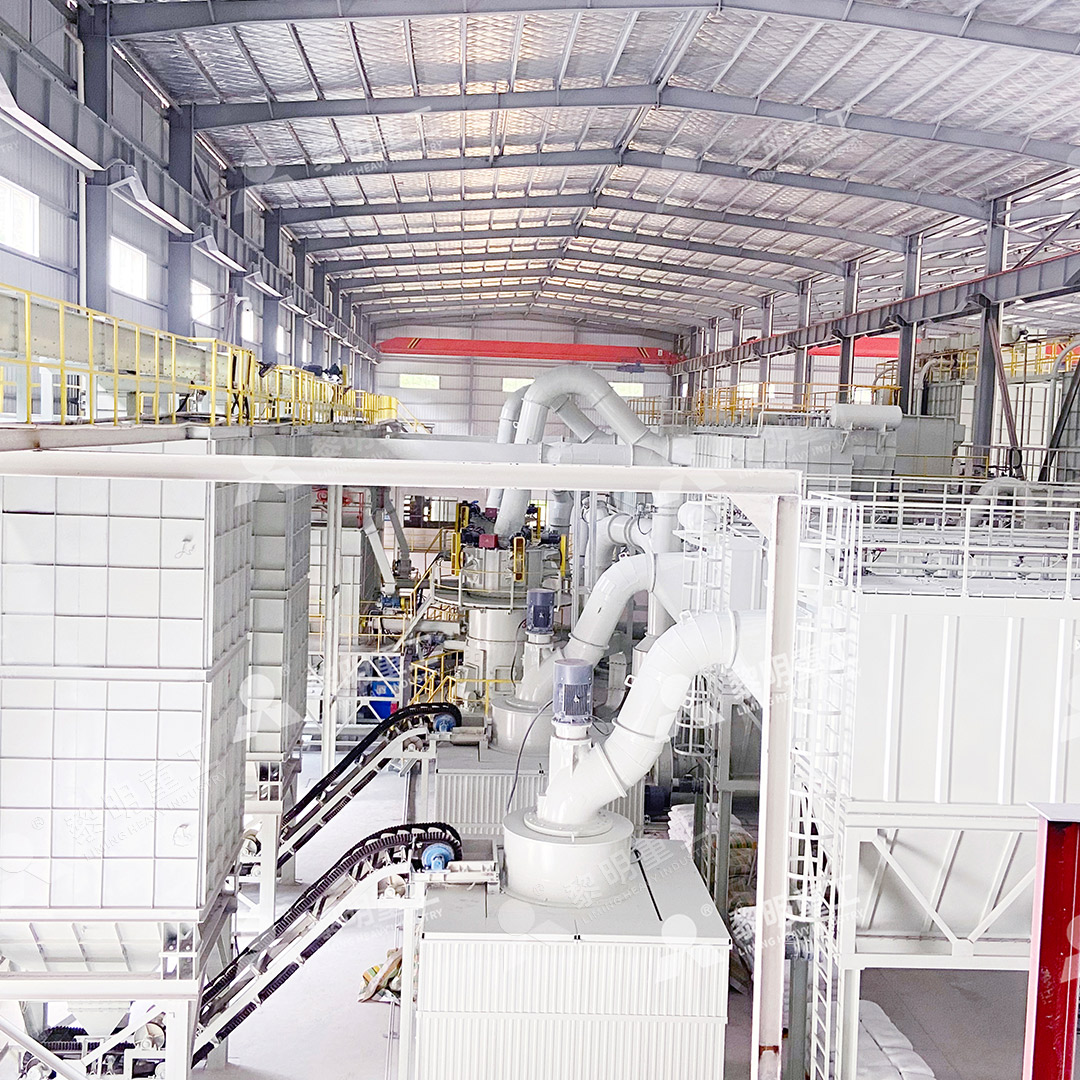
For projects demanding high capacity within a compact footprint, the LUM Ultrafine Vertical Grinding Mill presents a compelling option. Integrating the latest grinding roller and powder separating technologies, it is designed to avoid traditional pitfalls like long material lingering time and iron contamination. Its unique roller shell and lining plate curve promotes stable material bed formation, enabling a high rate of finished product in a single pass, which enhances both efficiency and the whiteness of the final powder. A notable feature is its double position-limiting technology, combining electronic and mechanical safeguards to prevent destructive impacts from vibration, ensuring remarkable operational stability. The reversible structure, facilitated by a hydraulic system, allows grinding rollers to be easily moved out for maintenance, drastically reducing downtime and associated losses.
The Path Forward: Integration and Support
The true test of a manufacturer’s caliber extends beyond the machine’s specifications. It lies in the holistic support system: comprehensive digital processing for part precision, a guaranteed supply of original spare parts, and direct technical service. A manufacturer that controls production from raw steel plate to final assembly, like LIMING, can assume full responsibility for machine performance and provide the worry-free operation that modern industries require. The future of barite processing belongs to those who pair cutting-edge grinding technology with unwavering commitment to customer success.
Frequently Asked Questions (FAQ)
- What is the typical fineness range achievable for barite powder with modern mills?
Advanced mills like the MW and LUM series can consistently produce barite powder with fineness adjustable between 325 and 2500 meshes (approximately 45 to 5 microns), with high-efficiency classifiers ensuring a narrow particle size distribution. - How do modern grinding mills address environmental concerns like dust and noise?
Leading designs integrate efficient pulse jet dust collectors and silencer systems. Closed, negative-pressure systems prevent dust spillage, while optimized mechanical designs and sound-dampening enclosures keep noise levels well within regulatory limits. - What are the main advantages of vertical roller mills over traditional ball mills for barite grinding?
Key advantages include significantly lower energy consumption (30-50% less), a smaller footprint, integrated drying capability, shorter material retention time (reducing over-grinding), and lower iron contamination due to minimal direct metal-to-metal contact. - How important is after-sales service and parts supply when selecting a manufacturer?
It is critical. Consistent powder production depends on machine availability. Choose a manufacturer that provides direct technical support, guarantees a supply of original, precision-engineered spare parts, and designs mills with maintainability in mind (e.g., reversible rollers). - Can these mills handle other materials besides barite?
Absolutely. Mills like the MW and LUM are versatile and commonly used for a wide range of non-metallic minerals including limestone, calcite, dolomite, talc, gypsum, and coal powder, making them a flexible investment for diversified mineral processing operations.