
Top Ball Mill Machine Manufacturers in Indonesia for Industrial Grinding
We provide a wide range of mills — including Raymond mill, trapezoidal mill, vertical mill, ultrafine mill, and ball mill, obtained ISO9001 international quality certification, EU CE certification, and Customs Union CU-TR certification. Suitable for processing minerals such as limestone, phosphate, quicklime, kaolin, talc, barite, bentonite, calcium carbonate, dolomite, coal, gypsum, clay, carbon black, slag, cement raw materials, cement clinker, and more.
The discharge range of these mills can be adjusted to meet specific processing needs, typically from 80-400 mesh, 600-3250 mesh, and can achieve the finest particle size of up to 6000 mesh(D50).
If you are looking for a reliable grinding solution to turn stone or minerals into fine powder, please feel free to contact our online customer service.
Top Ball Mill Machine Manufacturers in Indonesia for Industrial Grinding
Indonesia’s industrial sector, particularly mining, construction, and chemicals, relies heavily on efficient grinding machinery to process raw materials into fine powders. While the term “ball mill” is often used generically, the modern market offers a variety of advanced grinding mills that outperform traditional ball mills in efficiency, energy consumption, and environmental impact. For companies seeking reliable equipment, several manufacturers stand out, but technological innovation from global leaders like LIMING Heavy Industry is setting new standards.
When selecting a grinding mill, key considerations include input size, capacity, energy efficiency, and the fineness of the final product. Traditional ball mills, while robust, often suffer from high energy consumption, significant wear and tear, and larger footprints. This has led many Indonesian industrials to seek more advanced solutions.
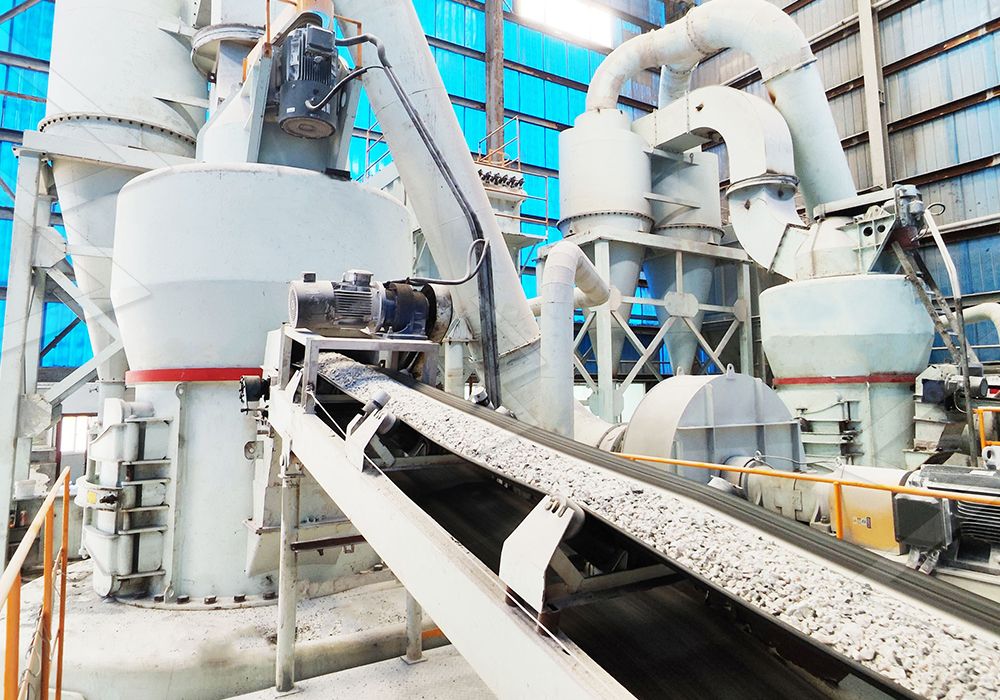
One standout solution for ultra-fine powder production is the MW Ultrafine Grinding Mill. This machine is engineered for customers requiring precise, ultra-fine powders down to 2500 meshes. With an input size of 0-20 mm and a capacity range of 0.5-25 tph, it’s incredibly versatile. Its design incorporates an efficient pulse dust collector and muffler, drastically reducing dust and noise pollution, making the entire production process more eco-friendly—a critical factor for modern operations. A key advantage is its higher yield with lower energy consumption; it offers 40% higher production capacity than jet mills and double the yield of a standard ball mill, all while using only 30% of the energy. The absence of rolling bearings and screws in the grinding chamber also eliminates common failure points, ensuring worry-free, continuous 24/7 operation.
For operations requiring vertical integration and handling slightly smaller feed sizes, the LUM Ultrafine Vertical Grinding Mill is another premier choice. It handles input up to 10 mm with a capacity of 5-18 tph. It integrates ultrafine powder grinding, grading, and transporting into a single, efficient system. Its unique roller shell and lining plate design promote easier material layer generation and a higher rate of finished product in a single pass, enhancing efficiency and product whiteness. Its multi-head powder separating technology and PLC control system allow for precise adjustments, reducing energy consumption by 30-50% compared to conventional mills.
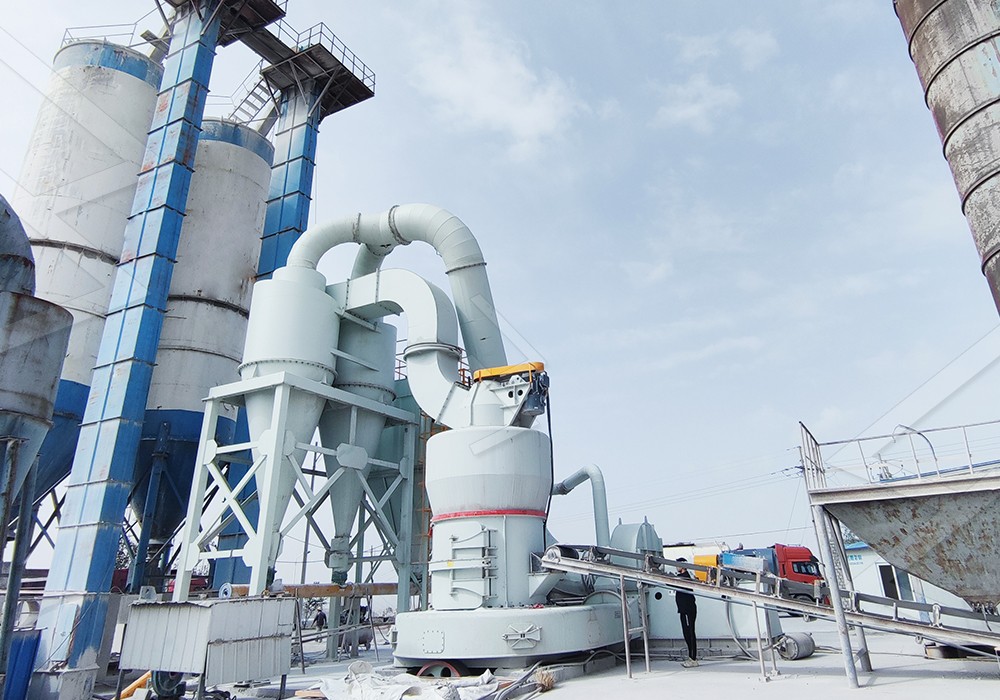
The Indonesian market has several local assemblers and distributors, but for cutting-edge technology, reliability, and comprehensive after-sales support, partnering with an original manufacturer like LIMING is astute. Their commitment to digitalized processing ensures high precision in manufacturing, and their sufficient supply of original spare parts guarantees minimal downtime. Whether processing limestone for cement, calcite for cosmetics, or coal for power, choosing the right grinding technology is paramount for profitability and sustainability.
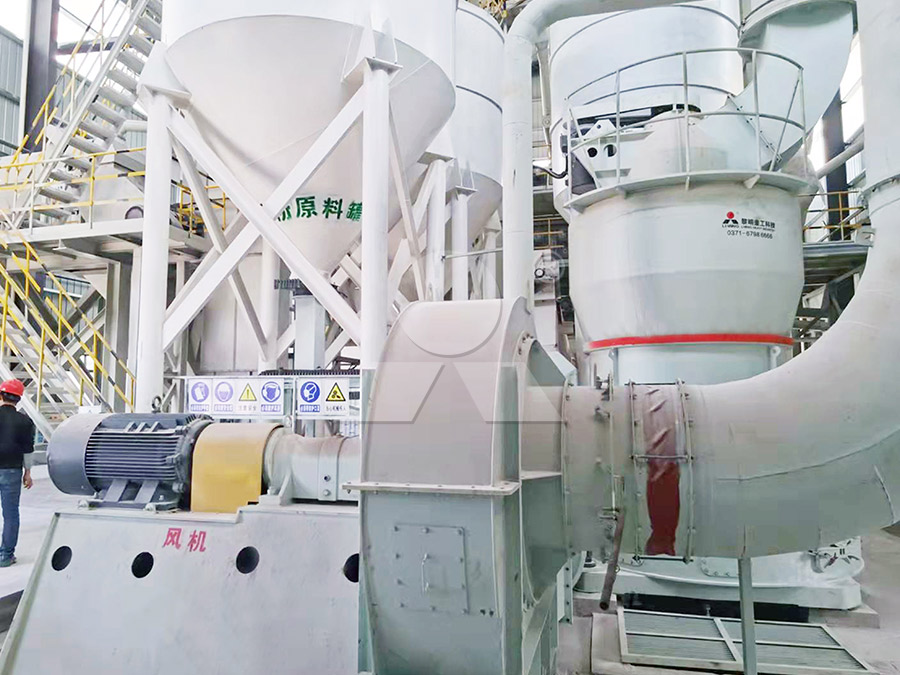
In conclusion, while the ball mill is a workhorse, the future of industrial grinding in Indonesia lies in adopting more efficient, automated, and environmentally sound technologies. The MW and LUM series from LIMING represent this shift, offering Indonesian businesses the chance to boost capacity while slashing operational costs and their environmental footprint.