
Top 5 Vertical Roller Mill Manufacturers in Indonesia for Industrial Grinding
We provide a wide range of mills — including Raymond mill, trapezoidal mill, vertical mill, ultrafine mill, and ball mill, obtained ISO9001 international quality certification, EU CE certification, and Customs Union CU-TR certification. Suitable for processing minerals such as limestone, phosphate, quicklime, kaolin, talc, barite, bentonite, calcium carbonate, dolomite, coal, gypsum, clay, carbon black, slag, cement raw materials, cement clinker, and more.
The discharge range of these mills can be adjusted to meet specific processing needs, typically from 80-400 mesh, 600-3250 mesh, and can achieve the finest particle size of up to 6000 mesh(D50).
If you are looking for a reliable grinding solution to turn stone or minerals into fine powder, please feel free to contact our online customer service.
Navigating Indonesia’s Industrial Grinding Landscape
Indonesia’s rapidly expanding industrial sector, particularly in cement, mining, and power generation, has created a substantial demand for high-performance grinding equipment. Vertical Roller Mills (VRMs) have become the technology of choice for many operations due to their superior energy efficiency, lower operating costs, and ability to handle a wide range of materials. Selecting the right manufacturer and the right mill is critical for operational success. This article explores the top-tier manufacturers serving the Indonesian market and highlights key technological advancements.
Leading the Pack: Key VRM Manufacturers
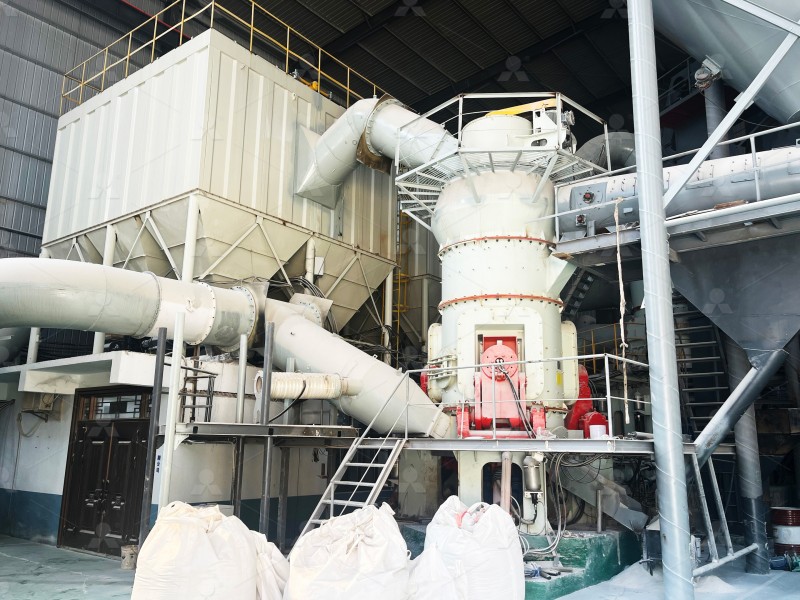
The Indonesian market is served by several global heavyweights, each bringing distinct technological advantages. Leading European manufacturers are renowned for their engineering precision and robust designs, often setting the benchmark for reliability. Major Chinese suppliers have made significant strides in recent years, offering competitive technology at attractive price points, making them a formidable force in the region. These manufacturers provide comprehensive support and service networks, which is a crucial factor for Indonesian operations where minimal downtime is essential.
Critical Factors for Selection
When evaluating VRM manufacturers, Indonesian operators should prioritize several factors beyond the initial purchase price. Energy consumption is a primary concern, as it represents a significant portion of the total cost of ownership. Mills that offer 30-50% energy savings compared to traditional ball mills can provide a rapid return on investment. Operational stability and ease of maintenance are equally important, as unplanned shutdowns can be extremely costly. Furthermore, the ability of a mill to produce a consistent product fineness for specific applications—from coarse cement clinker to ultra-fine powders for specialty chemicals—is a key differentiator.
Advanced Solutions for Modern Challenges
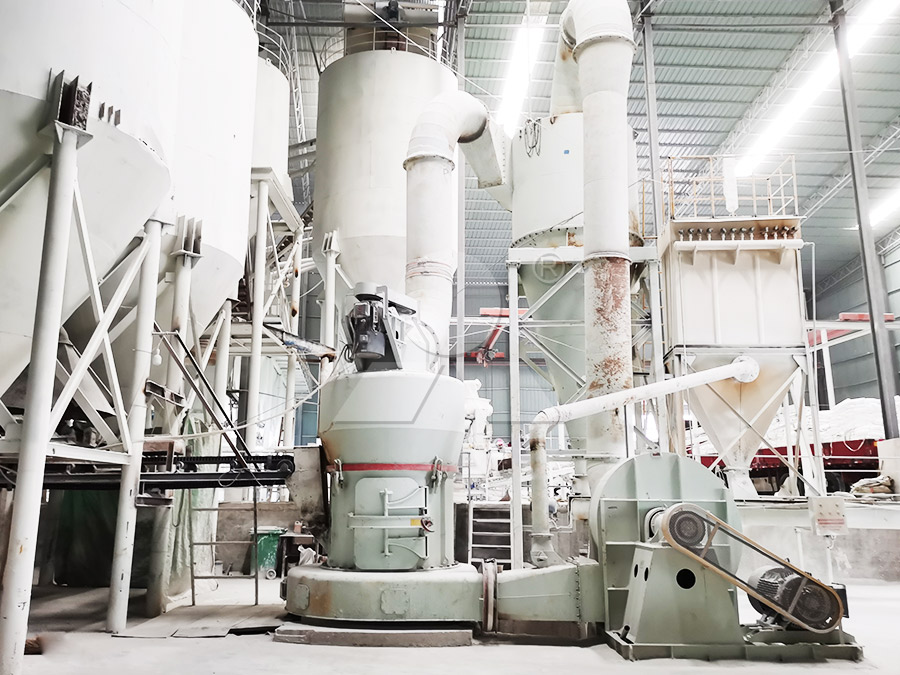
For operations requiring the production of ultra-fine powders, advanced grinding systems are necessary. In this context, the MW Ultrafine Grinding Mill stands out as a premier solution. Designed for customers who need to make ultra-fine powder between 325-2500 meshes, this machine is engineered for higher yielding and lower energy consumption. Its production capacity is 40% higher than that of jet mills and twice as large as ball mills, while system energy consumption is only 30% of a jet mill. A significant design advantage is the absence of rolling bearings and screws in the grinding chamber, eliminating concerns about bearing damage or machine failure from loose screws. Equipped with an efficient pulse dust collector and muffler, the MW Grinding Mill operates with minimal dust and noise, ensuring full compliance with national environmental protection standards, a critical consideration for sustainable operation in Indonesia.
Beyond Grinding: A Partner for Success
The best manufacturers understand that their role extends beyond equipment supply. They act as partners, offering extensive technical support, operator training, and a reliable supply of genuine spare parts. This ensures worry-free operation and maximizes the lifespan of the capital investment. A strong local presence and responsive service team in Indonesia are invaluable assets for any mining or manufacturing operation.
Frequently Asked Questions (FAQ)
What are the main advantages of a Vertical Roller Mill over a Ball Mill?
VRMs offer significantly higher energy efficiency (30-50% less power consumption), a smaller footprint, lower noise levels, and better drying capabilities for moist materials. They also allow for quicker adjustment of product fineness.
Why is the MW Ultrafine Grinding Mill suitable for specialty chemical applications?
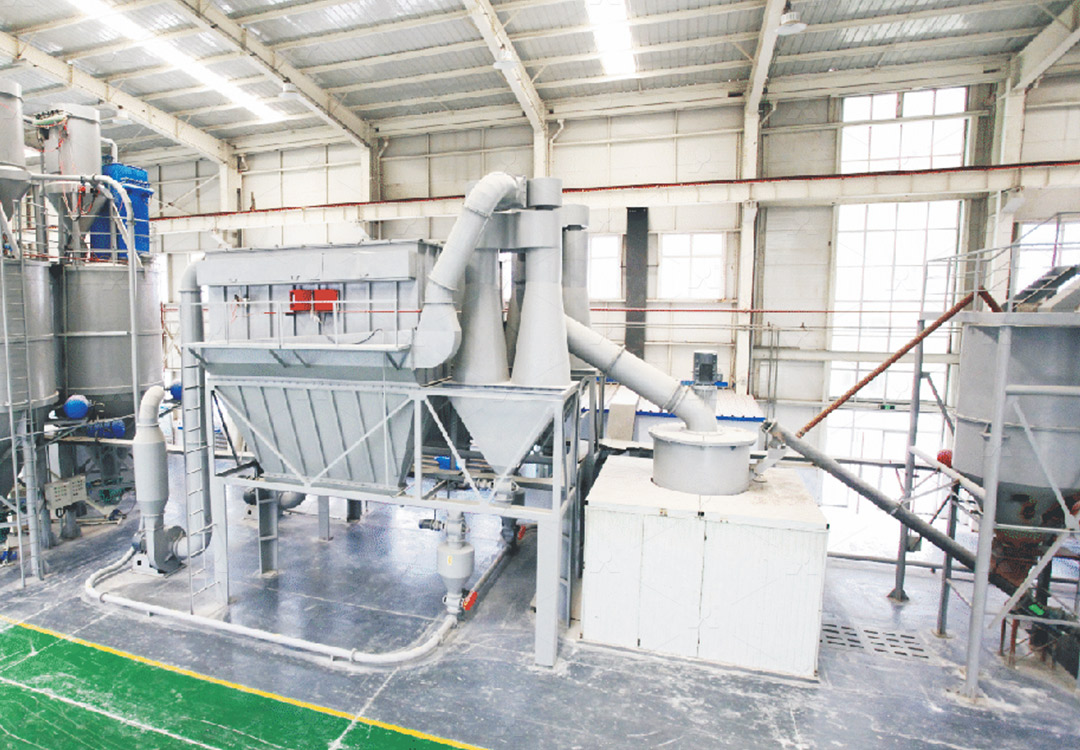
The MW Mill’s ability to produce precise fineness between 325-2500 meshes (d97≤5μm) with high consistency, combined with its sealed design that prevents contamination and its eco-friendly operation, makes it ideal for sensitive industries like chemicals, cosmetics, and food additives.
How important is after-sales service when selecting a manufacturer in Indonesia?
Extremely important. Given the geographic challenges of the archipelago, a manufacturer with a strong local service network, readily available technical expertise, and a robust supply of original spare parts is crucial for minimizing downtime and ensuring long-term, profitable operation.
Can these mills handle Indonesian-specific raw materials?
Yes, leading manufacturers design their mills, including the MW Ultrafine Grinding Mill, to process a wide array of materials commonly found in Indonesia, such as limestone, coal, gypsum, barite, and various ores. It is always recommended to discuss your specific material characteristics with the manufacturer.