
Top 5 Reliable Grinding Mills for Sale in Indonesia: A 2024 Buyer’s Guide
We provide a wide range of mills — including Raymond mill, trapezoidal mill, vertical mill, ultrafine mill, and ball mill, obtained ISO9001 international quality certification, EU CE certification, and Customs Union CU-TR certification. Suitable for processing minerals such as limestone, phosphate, quicklime, kaolin, talc, barite, bentonite, calcium carbonate, dolomite, coal, gypsum, clay, carbon black, slag, cement raw materials, cement clinker, and more.
The discharge range of these mills can be adjusted to meet specific processing needs, typically from 80-400 mesh, 600-3250 mesh, and can achieve the finest particle size of up to 6000 mesh(D50).
If you are looking for a reliable grinding solution to turn stone or minerals into fine powder, please feel free to contact our online customer service.
Navigating the Indonesian Grinding Mill Market in 2024
Indonesia’s rapidly expanding industrial sector, particularly in mining, construction, and chemical processing, continues to drive significant demand for efficient and reliable grinding equipment. Selecting the right mill is not just about price; it’s about productivity, energy efficiency, and long-term operational stability. With numerous options available, making an informed decision requires a clear understanding of your specific material, desired fineness, and production goals. This guide cuts through the noise to present five of the most dependable grinding mill solutions for the Indonesian market in 2024.
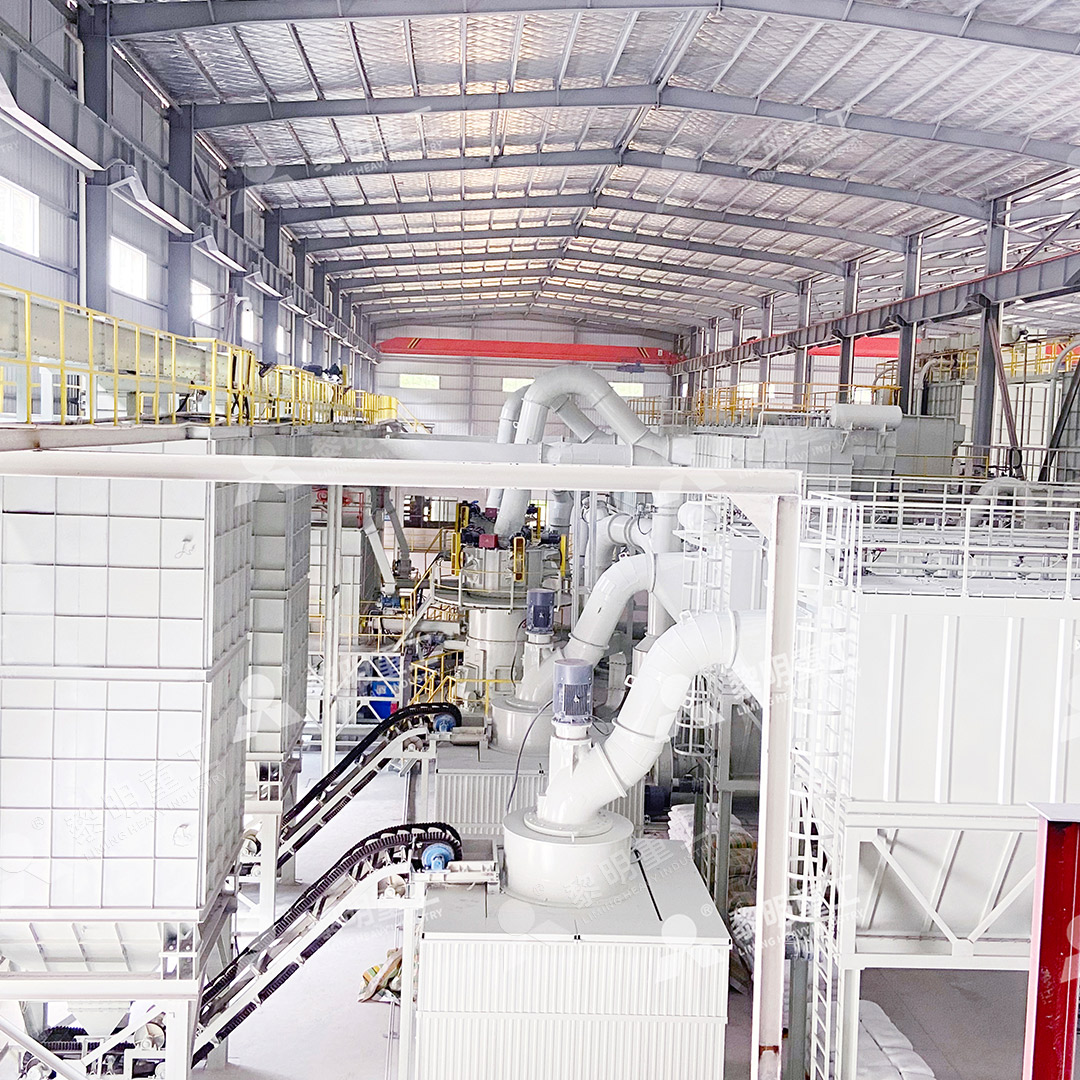
1. MW Ultrafine Grinding Mill: For High-Precision Fine Powder Production
When your operation demands ultra-fine powders between 325 and 2500 meshes, the MW Ultrafine Grinding Mill stands out. It’s engineered for customers who need to make ultra-fine powder for advanced applications in industries like paints, cosmetics, and high-grade fillers. A key advantage is its innovative design that eliminates rolling bearings and screws within the grinding chamber. This significantly reduces the risk of mechanical failure and machine damage from loose components, a common headache in other mills. With a capacity ranging from 0.5 to 25 tph and an input size of up to 20mm, it offers remarkable efficiency. Its higher yield and lower energy consumption—reportedly 40% higher capacity than jet mills and 30% lower system energy consumption—make it a cost-effective choice for specialized powder production.
2. LUM Ultrafine Vertical Grinding Mill: Advanced Technology for Superior Quality
The LUM Ultrafine Vertical Grinding Mill integrates the latest grinding roller and powder separating technologies. It’s an ideal solution for producing superfine dry powder from non-metal ores like calcite, marble, and barite. What sets it apart is its double position-limiting technology, which ensures exceptional operational stability by preventing destructive impacts between the roller and millstone, even under volatile conditions. Its reversible structure is a maintenance engineer’s dream, allowing grinding rollers to be easily moved out for inspection and part replacement, minimizing costly downtime. With a capacity of 5-18 tph, it delivers higher yielding rates and better product whiteness and cleanliness.
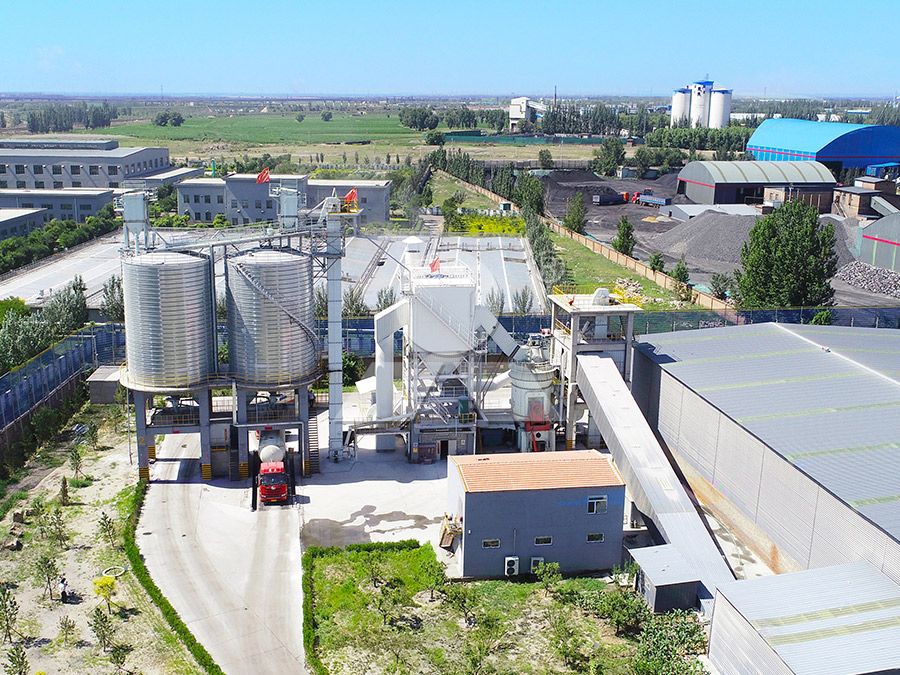
3. LM Vertical Grinding Mill: The All-Rounder for Large-Capacity Needs
For large-scale projects requiring high capacity (up to 340 tph) and integrated processing, the LM Vertical Grinding Mill is a top contender. It masterfully combines crushing, drying, grinding, classifying, and conveying into a single, compact unit. This integration reduces its footprint by 50% compared to traditional ball mill systems, leading to lower comprehensive investment costs. It is exceptionally versatile, handling materials from limestone to pulverized coal and slag. Its short grinding time and low iron content in the final product are critical for applications where material purity is paramount. Furthermore, its fully automated, environmentally friendly operation makes it suitable for modern, sustainable industrial plants.
4. MTW-Z European Trapezium Mill: Balancing Efficiency and Economy
The MTW-Z European Trapezium Mill offers a fantastic balance of advanced features and operational economy. Its use of dilute oil lubrication for the grinding rollers is a maintenance-friendly technology that reduces long-term costs. The absence of a shovel blade cylinder in the grinding chamber allows for larger ventilation areas and lower air-conveying resistance, directly boosting grinding efficiency. Its elastic volute damping structure effectively absorbs vibrations, leading to more stable and reliable operation. This mill is perfectly suited for processing a wide array of materials, including feldspar, calcium carbonate, and gypsum, with capacities ranging from 3 to 55 tph.
5. Ball Mill: The Time-Tested Workhorse
While newer technologies offer advanced features, the conventional Ball Mill remains a reliable and lower-investment option for many operations. Its simplicity, ease of operation, and ability to grind a vast range of materials make it a perennial favorite, especially for beneficiation and general ore milling. With a capacity of up to 50 tph, it provides a proven solution where ultra-fine fineness is not the primary requirement. Its robust construction ensures stable and reliable performance for less demanding applications.
Frequently Asked Questions (FAQ)
Q1: What is the most important factor when choosing a grinding mill in Indonesia?
A: The single most important factor is matching the mill’s capabilities to your specific material and desired final product fineness. A mill perfect for coarse limestone may be inefficient for producing cosmetic-grade talc. Always start with your product specifications.
Q2: How significant are energy costs in the total operating expense?
A: Energy consumption is typically one of the largest operational costs. Technologies like the MW Ultrafine Grinding Mill and LM Vertical Grinding Mill are designed specifically to reduce energy use by 30-50% compared to older mill designs, offering substantial long-term savings.
Q3: Are these mills environmentally compliant with Indonesian regulations?
A: Yes, modern mills like the MW and LUM models are built with environmental standards in mind. They feature efficient pulse dust collectors and mufflers to minimize dust and noise pollution, ensuring operations meet national environmental protection standards.
Q4: What about after-sales service and spare parts availability in Indonesia?
A: This is a critical consideration. Reputable manufacturers provide comprehensive technical support and ensure a sufficient supply of original spare parts. It’s essential to choose a supplier with a proven track record of local support to guarantee worry-free operation.