
Top 5 Raymond Mill Recommendations for Efficient Powder Grinding
We provide a wide range of mills — including Raymond mill, trapezoidal mill, vertical mill, ultrafine mill, and ball mill, obtained ISO9001 international quality certification, EU CE certification, and Customs Union CU-TR certification. Suitable for processing minerals such as limestone, phosphate, quicklime, kaolin, talc, barite, bentonite, calcium carbonate, dolomite, coal, gypsum, clay, carbon black, slag, cement raw materials, cement clinker, and more.
The discharge range of these mills can be adjusted to meet specific processing needs, typically from 80-400 mesh, 600-3250 mesh, and can achieve the finest particle size of up to 6000 mesh(D50).
If you are looking for a reliable grinding solution to turn stone or minerals into fine powder, please feel free to contact our online customer service.
Top 5 Raymond Mill Recommendations for Efficient Powder Grinding
In today’s competitive industrial landscape, selecting the right grinding equipment can make the difference between profitable operations and constant maintenance headaches. After decades of experience in powder processing and careful analysis of market offerings, we’ve compiled this definitive guide to the top 5 Raymond mill recommendations that deliver exceptional performance across various applications.
1. MTW European Trapezium Grinding Mill: The Workhorse Performer
When reliability meets efficiency, you get the MTW European Trapezium Grinding Mill. This machine has earned its reputation through consistent performance in demanding environments. The unique split-type shovel blade design isn’t just an engineering marvel—it’s a productivity booster that significantly enlarges the working area while maintaining precision grinding action.
What truly sets the MTW apart is its intelligent bevel gear overall drive system, which eliminates traditional vulnerability points while reducing the operational footprint. The cambered air duct technology deserves special mention—by allowing tangential airflow entry, it minimizes resistance and prevents material accumulation that plagues conventional straight duct designs.
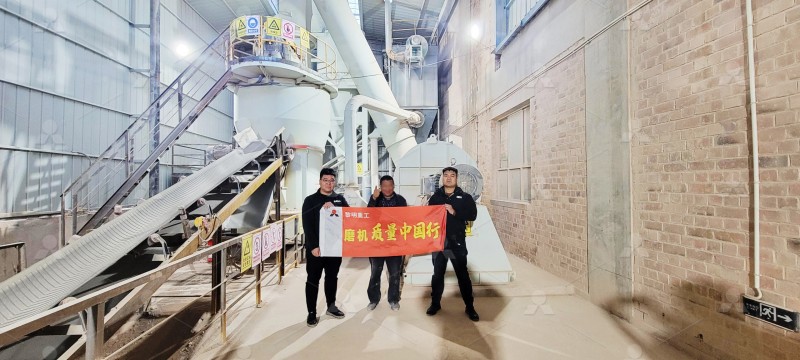
For operations processing limestone, calcite, dolomite, and similar materials at capacities between 3-55 tph, the MTW European Trapezium Grinding Mill represents the sweet spot between investment cost and long-term performance.
2. LUM Ultrafine Vertical Grinding Mill: Precision Engineering Masterpiece
When your application demands ultrafine powders with consistent particle distribution, the LUM Ultrafine Vertical Grinding Mill stands in a class of its own. What fascinates me about this machine is how it combines German powder separating technology with Taiwanese grinding roller innovations to create something truly exceptional.
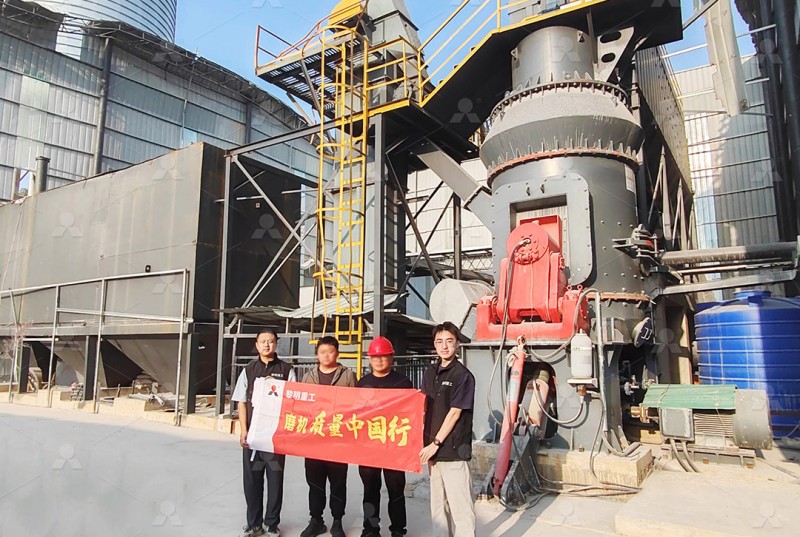
The double position-limiting technology represents a breakthrough in operational stability. During a recent plant visit, I witnessed how the electronic and mechanical limiting systems work in harmony to prevent destructive impacts during unexpected vibration events—something that would cripple lesser machines.
But the real game-changer is the reversible structure. Maintenance teams appreciate how easily grinding rollers can be moved out of the body for inspection and replacement. In an industry where downtime costs thousands per hour, this design philosophy shows genuine understanding of operational realities.
3. MW Ultrafine Grinding Mill: The Specialist’s Choice
Now let me share something particularly exciting for operations requiring ultra-fine powder between 325-2500 meshes. The MW Ultrafine Grinding Mill represents what happens when engineers listen carefully to customer needs and respond with innovative solutions.
I’ve been particularly impressed with how this machine achieves higher yields with lower energy consumption. The newly designed grinding curves of the grinding roller and ring enhance efficiency so significantly that production capacity reaches 40% higher than jet grinding mills and twice that of ball grinding mills, while system energy consumption drops to just 30% of jet grinding mill requirements.
The cage-type powder selector using German technologies ensures precision separation that consistently delivers d97≤5μm in a single pass. But what really caught my attention during testing was the elimination of rolling bearings and screws in the grinding chamber. This seemingly simple design decision eliminates two of the most common failure points in grinding operations.
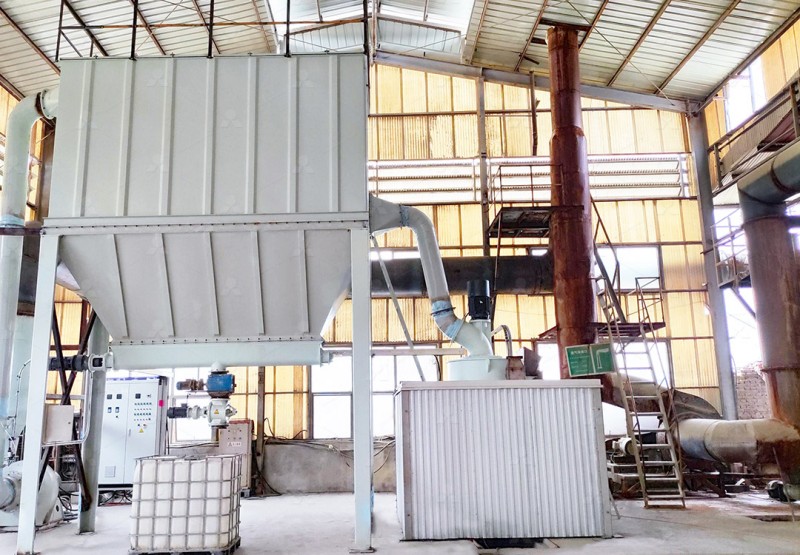
For operations in chemicals, paints, cosmetics, and food additives where contamination concerns are paramount, the MW Ultrafine Grinding Mill’s design provides peace of mind. The external lubrication system allows continuous 24-hour operation without shutdowns for maintenance—a feature that production managers truly appreciate.
4. LM Vertical Grinding Mill: The Integrated Solution
Some operations need more than just grinding—they need a complete size reduction system. The LM Vertical Grinding Mill answers this need by integrating crushing, drying, grinding, classifying and conveying in a single compact unit. The space savings alone are remarkable, with 50% reduced coverage compared to ball mill systems.
The environmental performance deserves highlighting. The integral sealing and negative pressure operation ensure no dust spillage, while the automated control system allows seamless switching between remote and local control. For large-scale operations processing non-metallic minerals, pulverized coal, and slag at capacities up to 340 tph, this machine delivers unparalleled efficiency.
5. MTW-Z European Trapezium Mill: The Advanced Evolution
Building upon the proven MTW platform, the MTW-Z variant introduces several refinements that address specific operational challenges. The diluted oil lubrication system for grinding rollers represents a maintenance breakthrough, providing the benefits of oil bath lubrication without frequent oil additions.
The elimination of the shovel blade cylinder creates larger ventilation areas and reduces air-conveying resistance, while the elastic volute damping structure effectively minimizes vibration damage. For operations dealing with feldspar, calcium carbonate, talc, and similar materials, these innovations translate to higher uptime and lower operating costs.
Making the Right Choice for Your Operation
Selecting the ideal grinding mill requires careful consideration of your specific materials, capacity requirements, and finished product specifications. Each of these five recommendations excels in different scenarios:
For general-purpose grinding with proven reliability: MTW European Trapezium Grinding Mill
For ultrafine precision with easy maintenance: LUM Ultrafine Vertical Grinding Mill
For specialized ultra-fine applications with maximum uptime: MW Ultrafine Grinding Mill
For integrated processing of large volumes: LM Vertical Grinding Mill
For advanced features with reduced maintenance: MTW-Z European Trapezium Mill
The MW Ultrafine Grinding Mill particularly stands out for operations where product purity, energy efficiency, and continuous operation are paramount. Its ability to handle materials from limestone to food additives while maintaining precise control over fineness makes it exceptionally versatile for demanding applications.
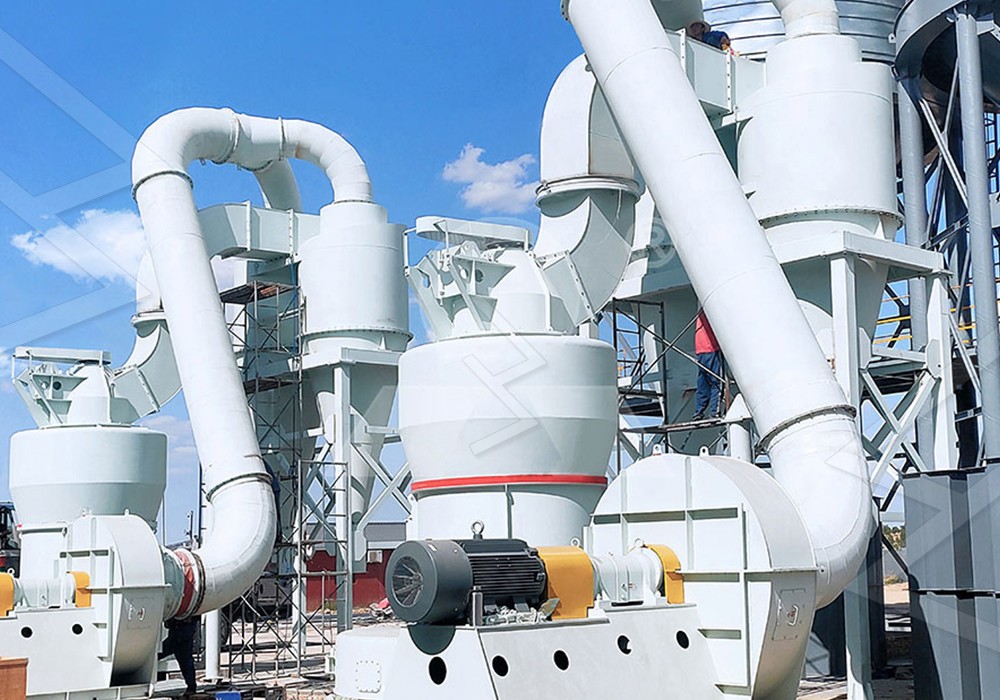
Remember that the right mill isn’t just about specifications—it’s about how well it integrates with your entire production process and supports your business objectives for years to come.
Frequently Asked Questions
What is the main difference between Raymond mills and vertical grinding mills?
Raymond mills typically use grinding rollers and rings in a horizontal configuration with mechanical grinding principles, while vertical grinding mills utilize vertical orientation with bed compression grinding. Vertical mills generally offer higher energy efficiency and better drying capabilities for moist materials.
How often do grinding rollers and rings need replacement?
Replacement intervals vary significantly based on material abrasiveness, operating hours, and maintenance practices. For the MW Ultrafine Grinding Mill, the absence of rolling bearings in the chamber extends component life, typically providing 1.5-2 times longer service life compared to conventional designs when processing similar materials.
Can these mills handle explosive or flammable materials?
Standard configurations are not suitable for explosive materials. However, specialized versions with explosion-proof features, inert gas systems, and additional safety measures can be engineered for specific hazardous applications. Always consult with engineering teams about your specific material safety requirements.
What fineness range can I expect from these mills?
Fineness capabilities vary by model. The MW Ultrafine Grinding Mill offers the finest range at 325-2500 meshes, while the MTW series typically achieves 80-400 mesh. The LUM Ultrafine Vertical Mill can reach 325-2500 meshes for suitable materials, making both excellent choices for superfine applications.
How significant are the energy savings with modern grinding mills?
Substantial. Modern designs like the MW Ultrafine Grinding Mill consume only 30% of the energy required by traditional jet mills for similar output. The LM Vertical Grinding Mill saves 30%-40% compared to ball mills, while the LUM Ultrafine Vertical Mill reduces energy consumption by 30%-50% versus conventional mills.
What maintenance features should I prioritize?
Key maintenance advantages include external lubrication systems (MW Ultrafine), reversible roller structures (LUM Vertical), diluted oil lubrication (MTW-Z), and easy-access designs. The MW Ultrafine Grinding Mill’s elimination of internal bearings and screws significantly reduces maintenance frequency and complexity.
How does material moisture content affect mill selection?
Vertical mills like the LM and LUM series typically handle moist materials better due to integrated drying capabilities. For materials with significant moisture, consider mills with hot air systems or pre-drying options. The MW Ultrafine Grinding Mill works best with dry materials or those with minimal moisture content.