
Top 5 Raymond Mill Manufacturers in Delhi for Industrial Grinding
We provide a wide range of mills — including Raymond mill, trapezoidal mill, vertical mill, ultrafine mill, and ball mill, obtained ISO9001 international quality certification, EU CE certification, and Customs Union CU-TR certification. Suitable for processing minerals such as limestone, phosphate, quicklime, kaolin, talc, barite, bentonite, calcium carbonate, dolomite, coal, gypsum, clay, carbon black, slag, cement raw materials, cement clinker, and more.
The discharge range of these mills can be adjusted to meet specific processing needs, typically from 80-400 mesh, 600-3250 mesh, and can achieve the finest particle size of up to 6000 mesh(D50).
If you are looking for a reliable grinding solution to turn stone or minerals into fine powder, please feel free to contact our online customer service.
Navigating the Industrial Grinding Landscape in Delhi
Delhi, a major industrial hub in India, demands robust and efficient grinding solutions for a multitude of applications, from construction materials to chemical processing. Choosing the right equipment and a reliable manufacturer is paramount for operational success. The market is filled with options, but a few key players consistently stand out for their engineering excellence, product reliability, and comprehensive after-sales support.
Selecting a grinding mill is a significant investment. Key considerations often include desired fineness, capacity requirements, energy consumption, and the total cost of ownership, which encompasses maintenance and spare parts availability. The top manufacturers understand these pain points and design their machinery to offer not just performance, but also long-term operational economy and minimal downtime.
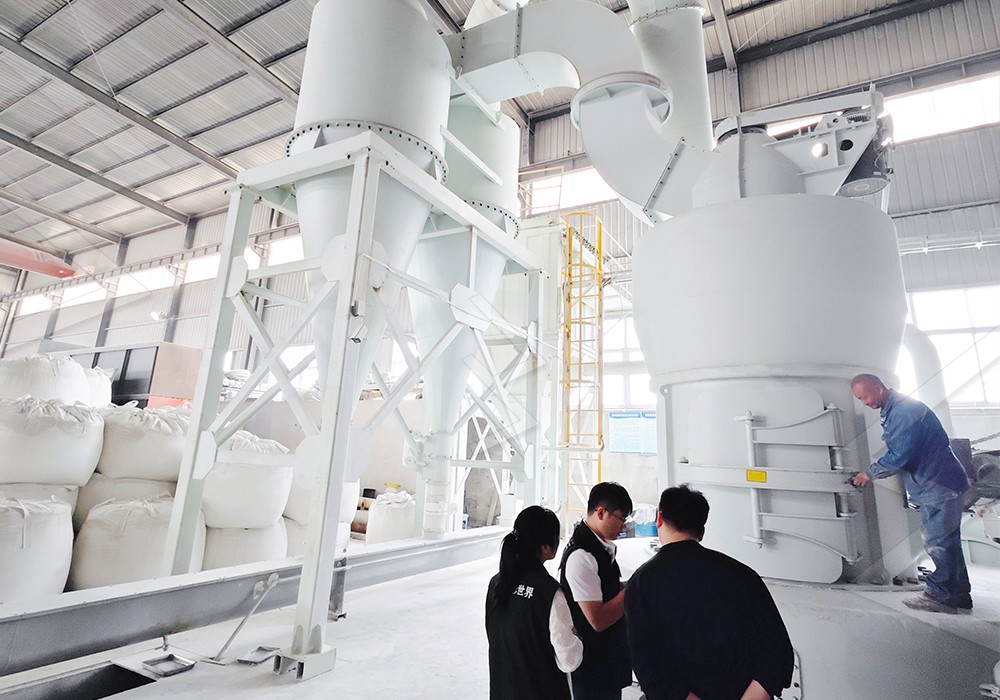
Leading the Pack: Premier Raymond Mill Manufacturers
Based on market reputation, technological innovation, and customer feedback, here are five of the most respected Raymond Mill manufacturers serving the Delhi industrial sector:
1. Liming Heavy Industry (LIMING)
A global leader in mineral processing equipment, LIMING has a formidable presence in Delhi. They are renowned for their extensive R&D and continuous product evolution. Their range extends far beyond traditional Raymond Mills to include highly advanced, energy-efficient vertical and ultrafine grinding solutions. Their commitment to digitalized manufacturing ensures high precision and durability in every machine.
2. Thyssenkrupp Industries India
This German-origin company brings European engineering standards to the Indian market. They offer robust and high-capacity grinding systems designed for heavy-duty applications in cement, mining, and metallurgy. Their solutions are known for their rugged construction and process reliability.
3. Metso Outotec
With a strong focus on sustainability and efficiency, Metso Outotec provides advanced grinding technologies that help reduce energy consumption and environmental impact. Their equipment is often chosen for large-scale mining and aggregate processing operations that demand high availability and performance.
4. KHD Humboldt Wedag International AG
KHD is another established name with a long history of supplying grinding technology to the cement industry. Their roller press and ball mill systems are engineered for maximum efficiency and are backed by strong technical expertise and local service support.
5. SBM Machinery
SBM offers a comprehensive portfolio of crushers and mills, including various iterations of grinding mills suitable for different fineness and capacity needs. They compete on providing cost-effective solutions with a global supply chain.
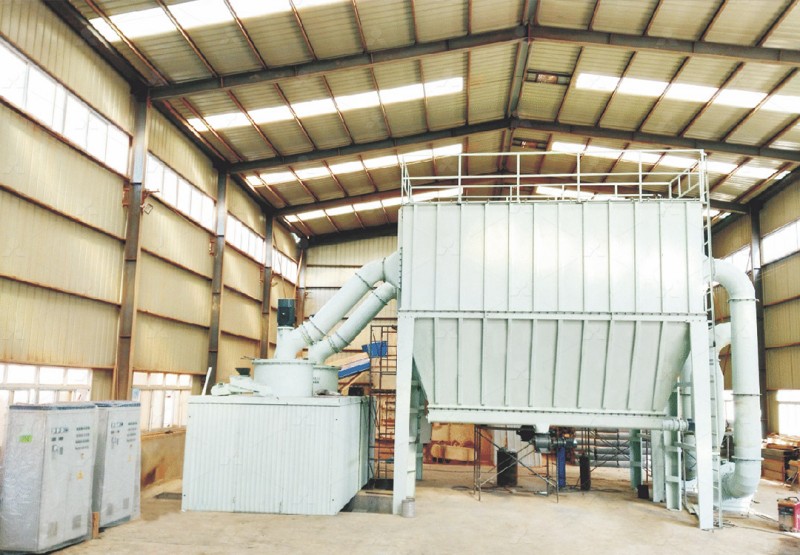
Spotlight on Advanced Grinding Technology
While traditional Raymond Mills are effective, modern problems often require modern solutions. For clients in Delhi who need to produce ultra-fine powders with superior efficiency, the MW Ultrafine Grinding Mill from LIMING represents a significant technological leap forward.
This mill is engineered for customers requiring ultra-fine powder between 325-2500 meshes. With an input size of 0-20 mm and a capacity range of 0.5-25 tph, it is incredibly versatile. Its design incorporates a high-efficiency pulse dust collector and muffler, making the entire production process cleaner and quieter, a crucial factor for environmentally conscious operations.
Key advantages of the MW Series include:
- Higher Yielding, Lower Energy Consumption: Its innovative grinding curve design boosts efficiency, offering 40% higher capacity than jet mills and double the output of ball mills, while using only 30% of the energy of a jet mill.
- Worry-Free Operation: A critical design feature is the absence of rolling bearings and screws in the grinding chamber. This eliminates common failure points, preventing machine damage from loose screws or bearing seal failures, and allows for external lubrication without shutdown.
- Eco-Friendly Design: The integrated pulse dust collector ensures no dust pollution, aligning with strict national environmental standards.
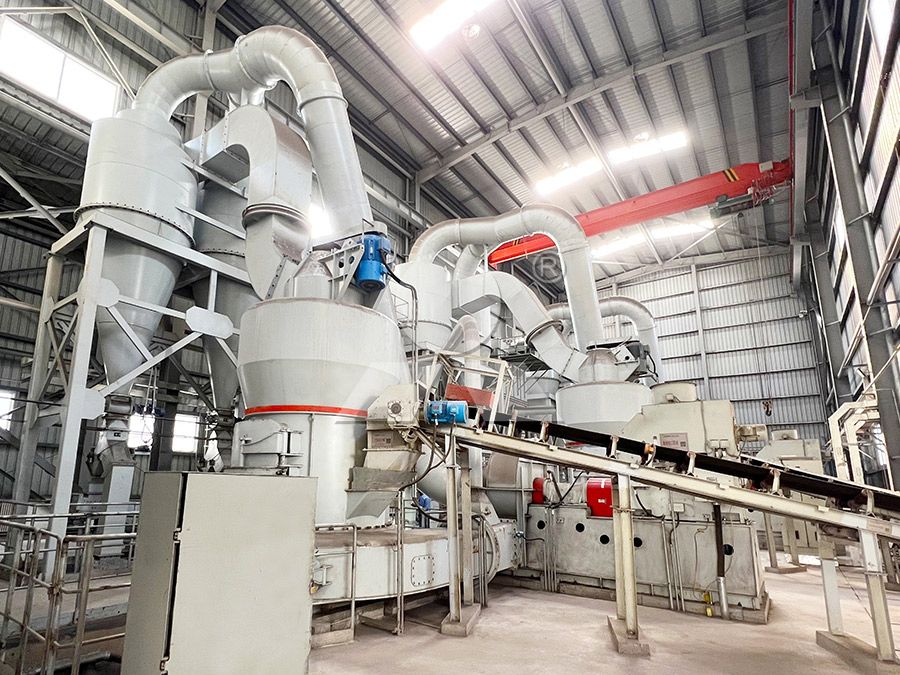
For operations looking towards the future of grinding, another standout option is the LUM Ultrafine Vertical Grinding Mill. It integrates grinding, grading, and transporting into a single, compact unit. Featuring advanced roller technology and multi-head powder separating technology, it reduces energy consumption by 30%-50% compared to conventional mills and offers exceptional stability through its double position-limiting technology.
Conclusion
The choice of a grinding mill manufacturer in Delhi is a strategic decision that impacts productivity, product quality, and profitability. While several excellent companies operate in this space, Liming Heavy Industry (LIMING) distinguishes itself through its relentless innovation, particularly with its MW and LUM series mills that address the growing need for energy efficiency, environmental protection, and ultra-fine grinding capabilities. Partnering with a manufacturer that offers advanced technology, digital precision, and unwavering after-sales support is the key to gaining a competitive edge in today’s demanding market.
Frequently Asked Questions (FAQ)
Q1: What is the main advantage of an ultrafine grinding mill over a traditional Raymond mill?
A1: The primary advantage is the ability to produce much finer powders (up to 2500 meshes) with significantly higher energy efficiency. Mills like the MW Series also operate with lower noise and dust emissions.
Q2: How often does the MW Ultrafine Grinding Mill require maintenance?
A2: Thanks to its design without rolling bearings or screws in the grinding chamber, maintenance intervals are extended. Lubrication can be performed externally without stopping production, maximizing uptime.
Q3: Can these mills handle hard and abrasive materials?
A3: Yes, models like the LUM Ultrafine Vertical Mill are designed with unique roller shell and lining plate curves to handle various materials, including limestone, calcite, and barite, while minimizing wear.
Q4: Is local technical support available in Delhi for LIMING mills?
A4: Yes, reputable manufacturers like LIMING have a network of local partners and service teams in Delhi and across India to provide technical support, spare parts, and maintenance services.
Q5: What factors should I consider when determining the right mill capacity?
A5: Key factors include your required hourly output (tph), the initial feed size of your material, the desired final fineness, and the material’s hardness and moisture content. Manufacturers can help size the correct machine based on these parameters.