
Top 5 Mills and Crushers for Efficient Potassium Chloride Processing
We provide a wide range of mills — including Raymond mill, trapezoidal mill, vertical mill, ultrafine mill, and ball mill, obtained ISO9001 international quality certification, EU CE certification, and Customs Union CU-TR certification. Suitable for processing minerals such as limestone, phosphate, quicklime, kaolin, talc, barite, bentonite, calcium carbonate, dolomite, coal, gypsum, clay, carbon black, slag, cement raw materials, cement clinker, and more.
The discharge range of these mills can be adjusted to meet specific processing needs, typically from 80-400 mesh, 600-3250 mesh, and can achieve the finest particle size of up to 6000 mesh(D50).
If you are looking for a reliable grinding solution to turn stone or minerals into fine powder, please feel free to contact our online customer service.
Top 5 Mills and Crushers for Efficient Potassium Chloride Processing
Potassium chloride (KCl), a vital mineral in agricultural and industrial applications, demands precise and efficient processing to achieve the desired granulation or powder fineness. The choice of milling and crushing equipment is paramount to operational efficiency, product quality, and overall profitability. Based on extensive industry expertise, here are the top five machines optimized for potassium chloride processing.
1. MW Ultrafine Grinding Mill: For Premium Fine Powder Production
When your operation requires ultra-fine potassium chloride powder, the MW Ultrafine Grinding Mill stands out. Engineered for customers needing to make ultra-fine powder, this mill is a perfect match for high-value KCl applications where superior fineness and purity are non-negotiable.
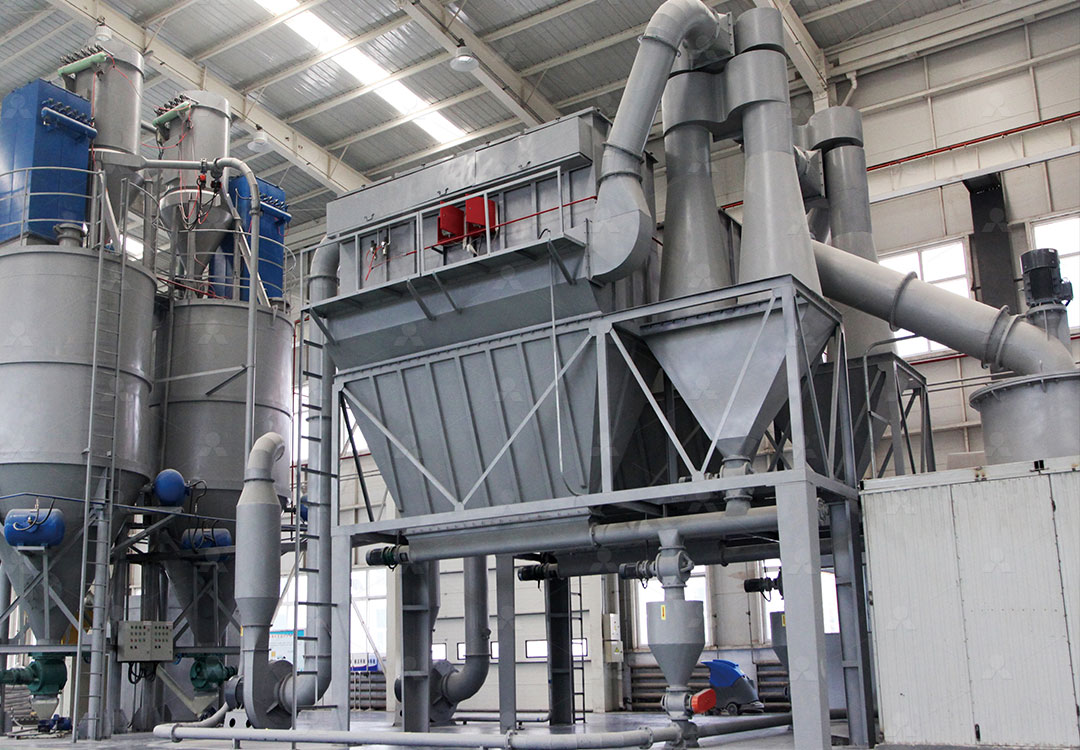
Its cage-type powder selector, incorporating German technology, allows precise adjustment of fineness between 325 and 2500 meshes, achieving a remarkable d97≤5μm in a single pass. This is critical for KCl used in specialized fertilizers or chemical formulations. Furthermore, its unique design without rolling bearings or screws in the grinding chamber eliminates common failure points, ensuring uninterrupted 24/7 operation. Coupled with an efficient pulse dust collector, it guarantees an eco-friendly process with minimal dust emission, protecting both the product and the plant environment.
2. LM Vertical Grinding Mill: The High-Capacity Workhorse
For large-scale operations processing raw KCl with a feed size up to 70mm, the LM Vertical Grinding Mill is an industry favorite. It integrates crushing, drying, grinding, classifying, and conveying into a single, compact unit, slashing the comprehensive investment and footprint by 50% compared to traditional ball mills.
Its short material lingering time minimizes repeated grinding, reducing iron contamination—a key factor in maintaining the whiteness and chemical purity of potassium chloride. Energy consumption is significantly lower, saving 30%-40% on power, which directly translates to reduced operating costs for high-tonnage processing.
3. MTW European Trapezium Grinding Mill: The Reliable All-Rounder
Balancing efficiency, reliability, and ease of maintenance, the MTW European Trapezium Grinding Mill is a superb choice for standard KCl powder production. Its bevel gear overall drive and inner automatic thin-oil lubricating system ensure smooth, stable, and low-maintenance operation.
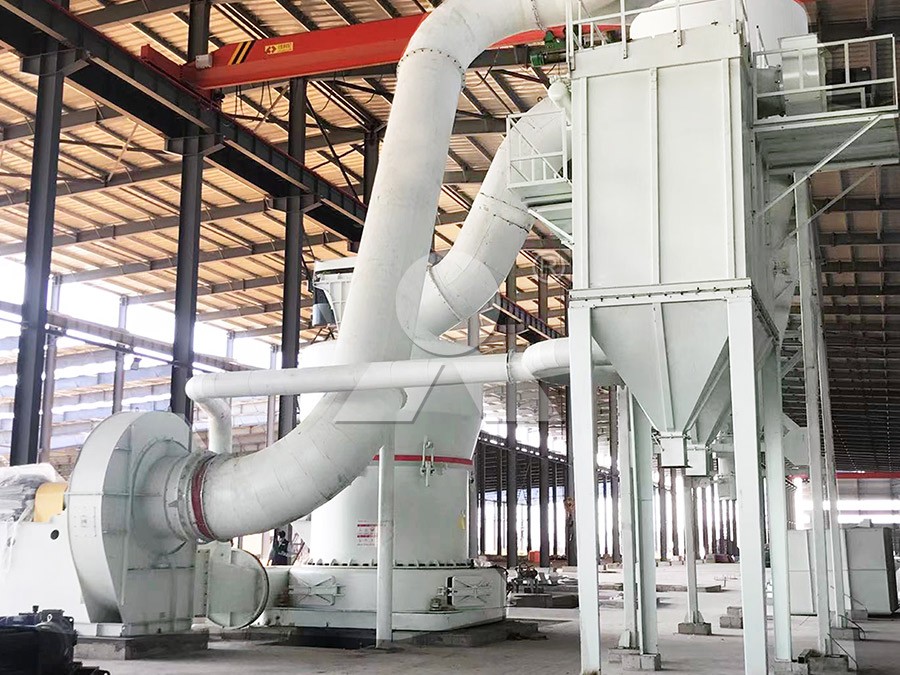
The split-type shovel blade and cambered air duct design enhance grinding efficiency and reduce energy consumption. The wear-resistant alloy grinding rollers and rings, developed in collaboration with scientific institutes, offer a service life 1.7-2.5 times longer than traditional materials, drastically cutting down on spare parts costs for abrasive materials like potassium chloride.
4. Jaw Crusher: The Primary Size Reduction Champion
Before fine grinding, raw potassium chloride ore often requires primary crushing. A robust Jaw Crusher is the first critical step in the size reduction circuit. It reliably reduces large, raw KCl chunks to a manageable size (typically below 25mm) for feeding into secondary mills like the LM or MTW series.
Its simple, sturdy construction and high crushing ratio make it an indispensable and low-maintenance piece of equipment for any KCl processing plant, ensuring a consistent and controlled feed to downstream grinding units.
5. LUM Ultrafine Vertical Grinding Mill: Advanced Technology for Superior Control
For operations seeking the latest in grinding technology, the LUM Ultrafine Vertical Grinding Mill is a top contender. It integrates ultrafine powder grinding, grading, and transporting with advanced Taiwanese roller and German powder separating technology.
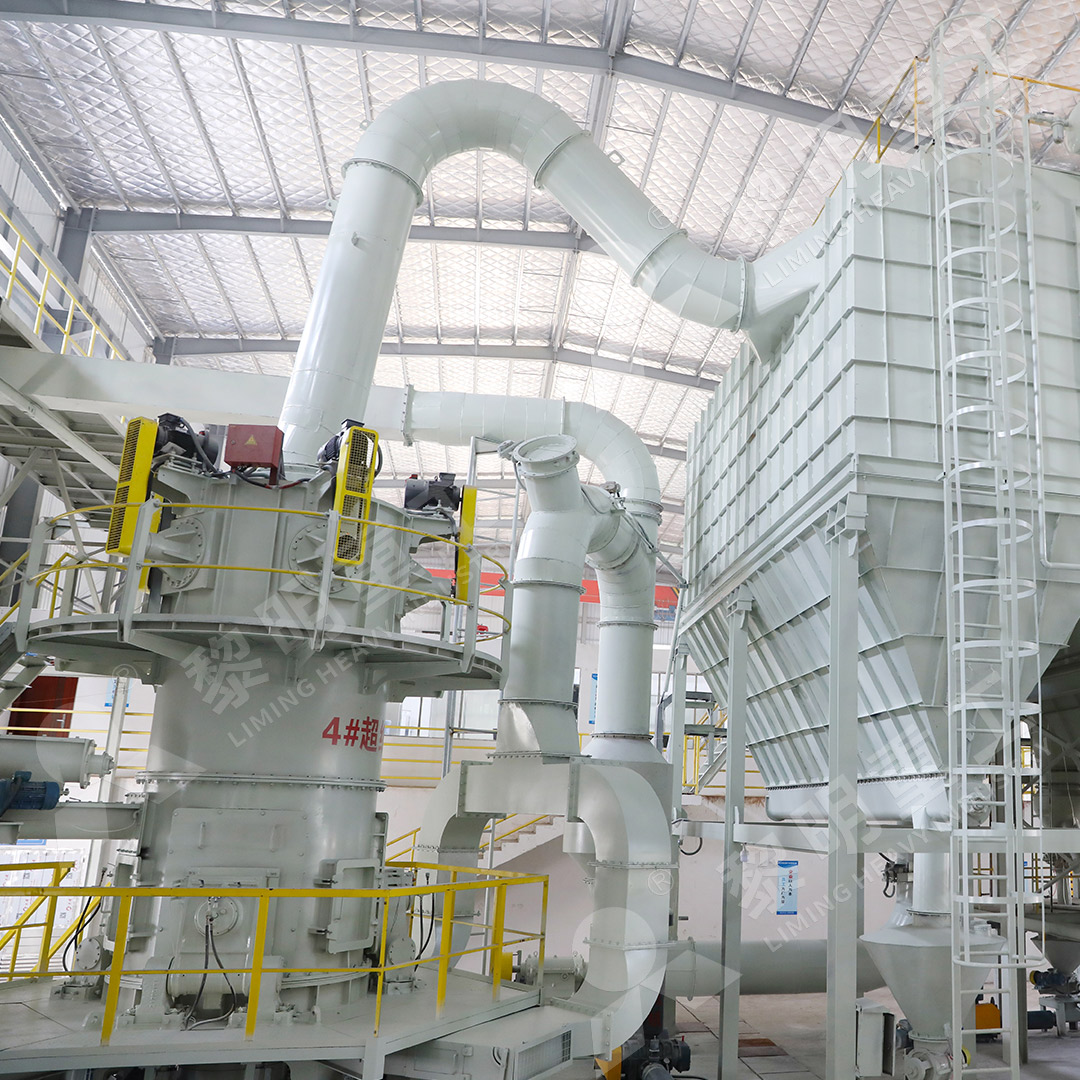
Its unique roller shell and lining plate grinding curve are easier to generate a material layer, enabling a high rate of finished product in a single pass. The PLC control system and multi-head powder separating technology allow for exact control over grinding parameters, ensuring consistent product quality. A reversible structure allows for easy maintenance, making it a smart, future-proof investment for modern KCl processing facilities.
Frequently Asked Questions (FAQ)
Q1: What is the most important factor when choosing a mill for potassium chloride?
A: The target particle size distribution (fineness) is the primary factor. For coarse granules, a vertical mill like the LM series is ideal. For ultra-fine powders required in specialized applications, the MW or LUM series are superior choices.
Q2: How does potassium chloride’s abrasiveness affect mill selection?
A: KCl can be abrasive. It’s crucial to select mills with wear-resistant components, such as the alloy grinding rollers and rings in the MTW Mill or the bearing-free design of the MW Mill, to minimize downtime and maintenance costs.
Q3: Can these mills handle other materials besides potassium chloride?
A: Absolutely. The mills listed, particularly the MW and LUM models, are highly versatile and can process a wide range of non-flammable, non-explosive materials with a Mohs hardness below 9, including limestone, calcite, dolomite, and talc.
Q4: How is dust control managed during milling?
A: Modern mills like the MW Ultrafine Grinding Mill are equipped with integrated, efficient pulse dust collectors and silencers. This creates a closed, negative-pressure system that contains dust, ensuring a clean operation that meets environmental standards.
Q5: What are the advantages of a vertical mill structure?
A: Vertical mills (LM, LUM) have a significantly smaller footprint, integrate multiple processes into one unit, and are more energy-efficient due to their grinding principle, which directly applies pressure to the material bed rather than relying on impact alone.