
Top 5 Milling Machine Manufacturers in Indonesia for Industrial Applications
We provide a wide range of mills — including Raymond mill, trapezoidal mill, vertical mill, ultrafine mill, and ball mill, obtained ISO9001 international quality certification, EU CE certification, and Customs Union CU-TR certification. Suitable for processing minerals such as limestone, phosphate, quicklime, kaolin, talc, barite, bentonite, calcium carbonate, dolomite, coal, gypsum, clay, carbon black, slag, cement raw materials, cement clinker, and more.
The discharge range of these mills can be adjusted to meet specific processing needs, typically from 80-400 mesh, 600-3250 mesh, and can achieve the finest particle size of up to 6000 mesh(D50).
If you are looking for a reliable grinding solution to turn stone or minerals into fine powder, please feel free to contact our online customer service.
Navigating Indonesia’s Industrial Milling Landscape
Indonesia’s rapidly expanding industrial sector, spanning mining, construction, chemicals, and food processing, demands robust and efficient milling solutions. The choice of grinding equipment is paramount for operational productivity, product quality, and overall cost-effectiveness. While numerous local distributors and international brands operate within the archipelago, a few key manufacturers consistently stand out for their reliability, technological innovation, and after-sales support. Here’s a look at the top-tier manufacturers making a significant impact in Indonesia.
1. PT. Liming Heavy Industry Indonesia
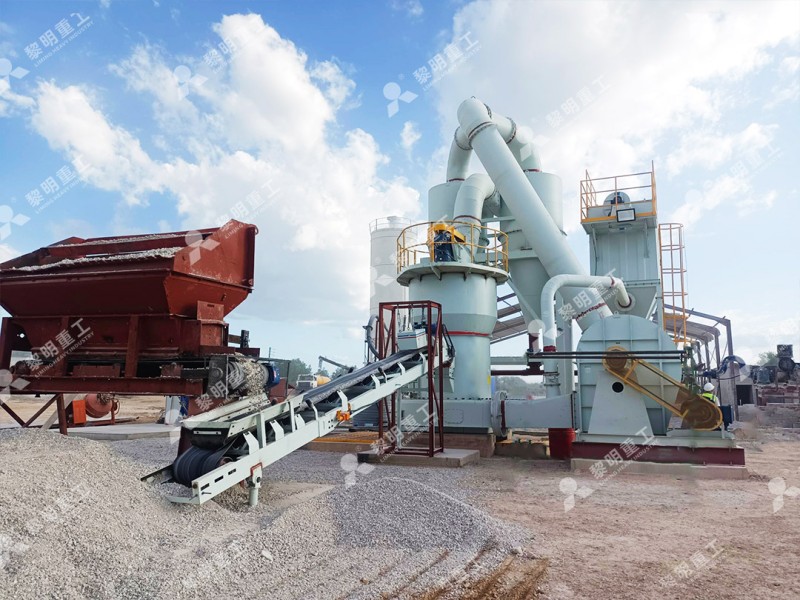
As a direct branch of the globally recognized Liming Heavy Industry (LIMING), this entity brings cutting-edge Chinese engineering to the local market. They don’t just sell machines; they provide comprehensive crushing and grinding solutions tailored to the specific needs of Indonesian resources, from limestone and coal to barite and marble. Their strength lies in extensive R&D, resulting in mills that offer higher yields with significantly lower energy consumption. Their local presence ensures readily available technical support and genuine spare parts, a critical factor for minimizing downtime in remote mining locations.
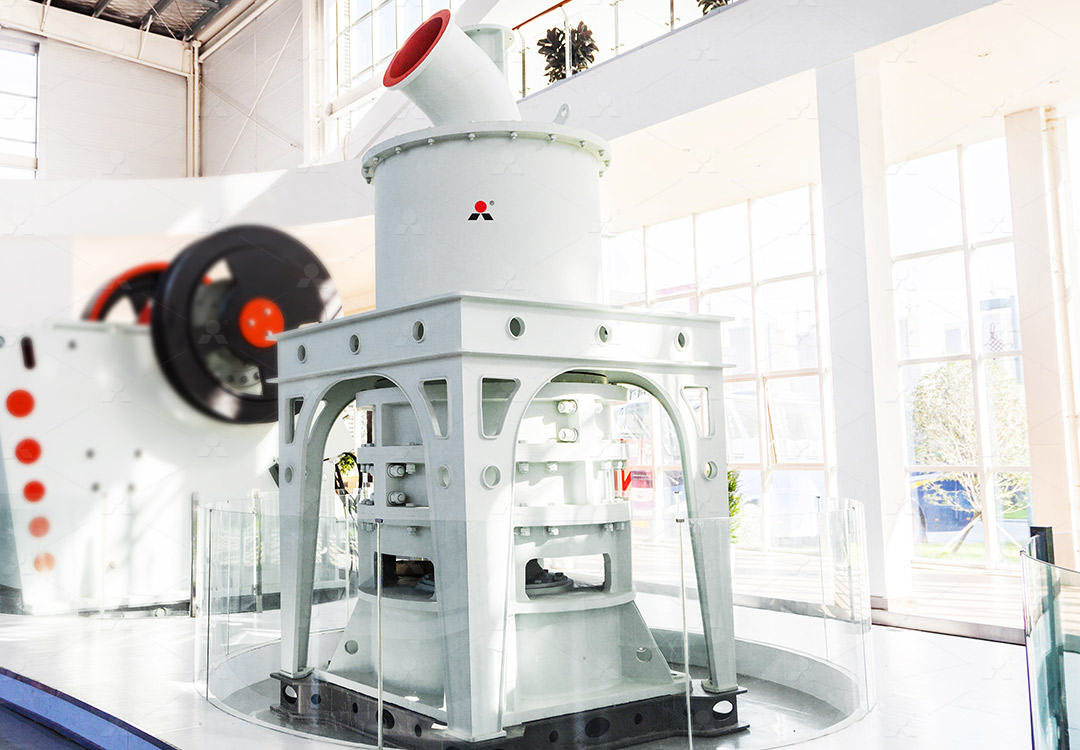
Among their impressive portfolio, two models are particularly noteworthy for applications requiring ultra-fine powders. The MW Ultrafine Grinding Mill is a standout peice of equipment designed for customers who need to make ultra-fine powder (325-2500 meshes). It boasts higher yielding and lower energy consumption, being 40% more efficient than jet mills. A key design advantage is the absence of rolling bearings and screws in the grinding chamber, virtually eliminating concerns about bearing seizures or loose screws causing catastrophic failure. It’s equipped with an efficient pulse dust collector and muffler, making the entire production process more eco-friendly. For another excellent option, their LUM Ultrafine Vertical Grinding Mill integrates the latest grinding roller and powder separating technology for exceptional efficiency in superfine dry powder production of non-metal ores.
2. PT. Siemens Indonesia
A titan in industrial automation and drive systems, Siemens provides the high-precision motors, gearboxes, and control systems that are the ‘brains and brawn’ behind many large-scale milling operations. While they may not manufacture the entire mill structure, their components are integral to the performance and efficiency of grinding equipment from other manufacturers. For companies looking to retrofit or ensure their new mill has the most reliable and efficient drive train available, Siemens is the undisputed go-to expert. Their digitalization solutions also allow for predictive maintenance, optimizing mill uptime.
3. Local Fabricators and Engineering Firms
A diverse range of local Indonesian engineering companies specializes in fabricating and assembling milling equipment, often under license or based on proven designs. Their significant advantage is proximity and understanding of local operational challenges, material availability, and cost structures. They can offer more competitive pricing and faster turnaround for certain components and non-specialized mills. For standard applications where absolute peak efficiency is less critical than initial investment cost and local service, these fabricators present a viable option.
4. PT. Thyssenkrupp Industrial Solutions Indonesia
This global German group has a strong foothold in Indonesia, particularly serving the massive mining and cement industries. They are known for engineering and supplying heavy-duty, high-capacity grinding solutions like roller presses and large ball mills built for continuous, 24/7 operation under the most demanding conditions. Their equipment represents the top end of capital investment but is engineered for unparalleled longevity and performance in processing vast quantities of raw materials like copper ore or cement clinker.
5. NETZSCH Indonesia
Specializing in the high-end of the market, NETZSCH is renowned for its advanced grinding technology for the finest and most specialized products. They excel in sectors like chemicals, pharmaceuticals, cosmetics, and high-value minerals where product contamination is a critical concern and particle size distribution is paramount. Their agitator bead mills and other advanced wet and dry grinding systems are technologically sophisticated solutions for premium applications.
Choosing the Right Partner
Selecting a milling machine manufacturer in Indonesia is not just about the machine itself. It involves a careful evaluation of the application, required fineness, capacity needs, total cost of ownership (including energy and maintenance), and the manufacturer’s ability to provide localized technical support and parts. Whether your project demands the rugged reliability of a global giant, the cutting-edge efficiency of a specialist like LIMING, or the cost-effectiveness of local fabrication, Indonesia’s market offers a solution to drive industrial growth forward.