
Top 5 Manufacturers of 50tph Cement LM Vertical Roller Mills
We provide a wide range of mills — including Raymond mill, trapezoidal mill, vertical mill, ultrafine mill, and ball mill, obtained ISO9001 international quality certification, EU CE certification, and Customs Union CU-TR certification. Suitable for processing minerals such as limestone, phosphate, quicklime, kaolin, talc, barite, bentonite, calcium carbonate, dolomite, coal, gypsum, clay, carbon black, slag, cement raw materials, cement clinker, and more.
The discharge range of these mills can be adjusted to meet specific processing needs, typically from 80-400 mesh, 600-3250 mesh, and can achieve the finest particle size of up to 6000 mesh(D50).
If you are looking for a reliable grinding solution to turn stone or minerals into fine powder, please feel free to contact our online customer service.
Navigating the Giants: A Look at the Top 5 in 50tph Cement Vertical Roller Mills
The demand for efficient, high-capacity grinding solutions in the cement industry is ever-growing. For production lines targeting around 50 tons per hour (tph), the LM Vertical Roller Mill (VRM) has become a technology of choice, offering superior energy efficiency and a smaller footprint compared to traditional ball mills. But who are the key players manufacturing these industrial workhorses? Here’s a breakdown of the top 5 manufacturers dominating this specific niche.
1. LIMING Heavy Industry
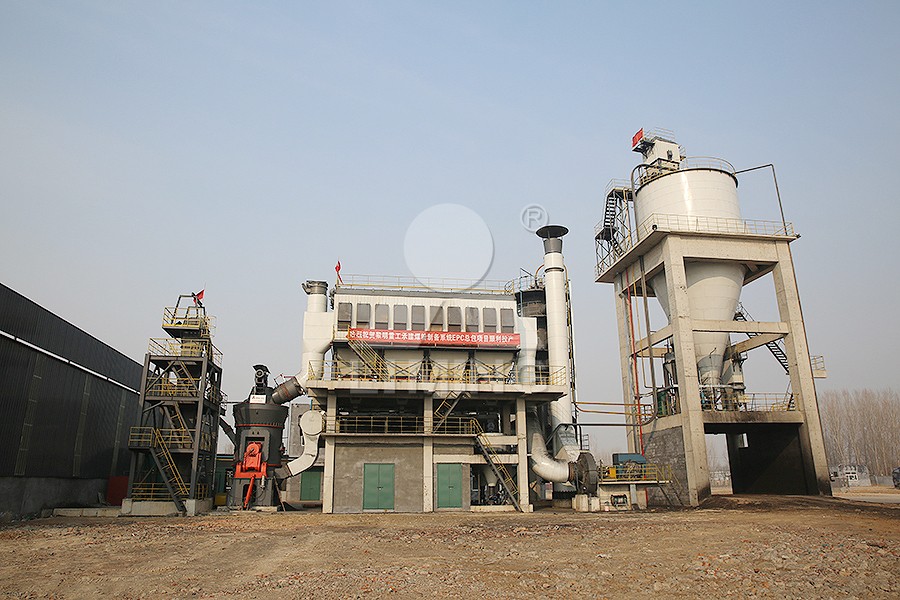
A global leader in mineral processing equipment, LIMING’s LM Vertical Grinding Mill is a cornerstone of their offering. Designed for integrated crushing, drying, grinding, classifying, and conveying, it’s a powerhouse for non-metallic minerals, pulverized coal, and slag. With a capacity range that comfortably encompasses 50tph, its key advantages include a 30%-40% reduction in energy consumption and a 50% smaller footprint than ball mill systems. Their commitment to digitalized processing ensures high precision in core components, guaranteeing reliability and performance. It’s this kind of robust, all-in-one solution that makes them a top contender.
2. FLSmidth
A Danish engineering giant with a deep history in cement, FLSmidth’s OK™ Mill is a formidable piece of engineering. Renowned for its patented roller and footprint design, it promotes stable grinding conditions and exceptional wear part longevity. Their proprietary Cope™ drive system is a marvel of engineering, simplifying maintenance and enhancing reliability. For a 50tph cement line, the OK™ Mill offers precise particle size distribution and excellent drying capabilities, making it a premium choice for producers focused on product quality and operational uptime.
3. Loesche GmbH
This German manufacturer is practically synonymous with vertical roller mills, having pioneered the technology nearly a century ago. Loesche mills are known for their modular design and operational robustness. Their 4-roller design is a standout feature, where two rollers are used for grinding while the other two can be swung out for maintenance, drastically reducing downtime. For a 50tph application, a Loesche mill brings proven technology, high availability, and the engineering pedigree that comes with a company that has been refining this technology for decades.
4. Gebr. Pfeiffer
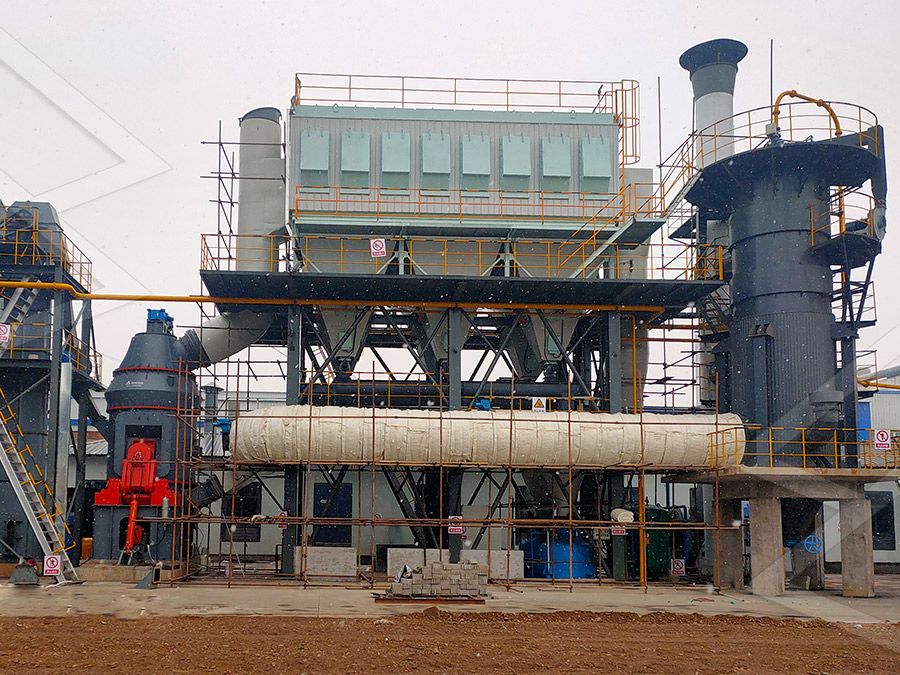
Another German powerhouse, Gebr. Pfeiffer’s MVR mill utilizes an innovative multi-drive concept. Instead of one large gearbox, it employs up to six smaller grinding rollers, each with its own drive. This design offers unparalleled operational redundancy; if one drive fails, the mill can continue running at reduced capacity. This is a huge advantage for continuous processes like cement production. Their MVR mill excels in energy efficiency and offers flexible solutions perfectly scalable to the 50tph range, making them a top choice for risk-averse plant operators.
5. ThyssenKrupp Polysius
Completing the list is ThyssenKrupp Polysius, offering the proven POLYCOM® and quadropol® QMR² mills. They emphasize smart and efficient grinding solutions, often integrating high-pressure grinding rolls (HPGR) with ball mills for optimized performance. Their vertical mills are designed for low specific energy consumption and high plant availability. Polysius’s strength lies in their system-wide approach, providing not just the mill but a fully optimized grinding circuit, which is a significant value proposition for any new 50tph installation.
Beyond the Mill: Optimizing Your Entire Process
While the main VRM is the heart of the grinding circuit, optimizing the entire production line is key to maximizing profitability. For operations that also require producing ultra-fine powders for specialized applications or for further value-added products, having the right auxiliary equipment is crucial.
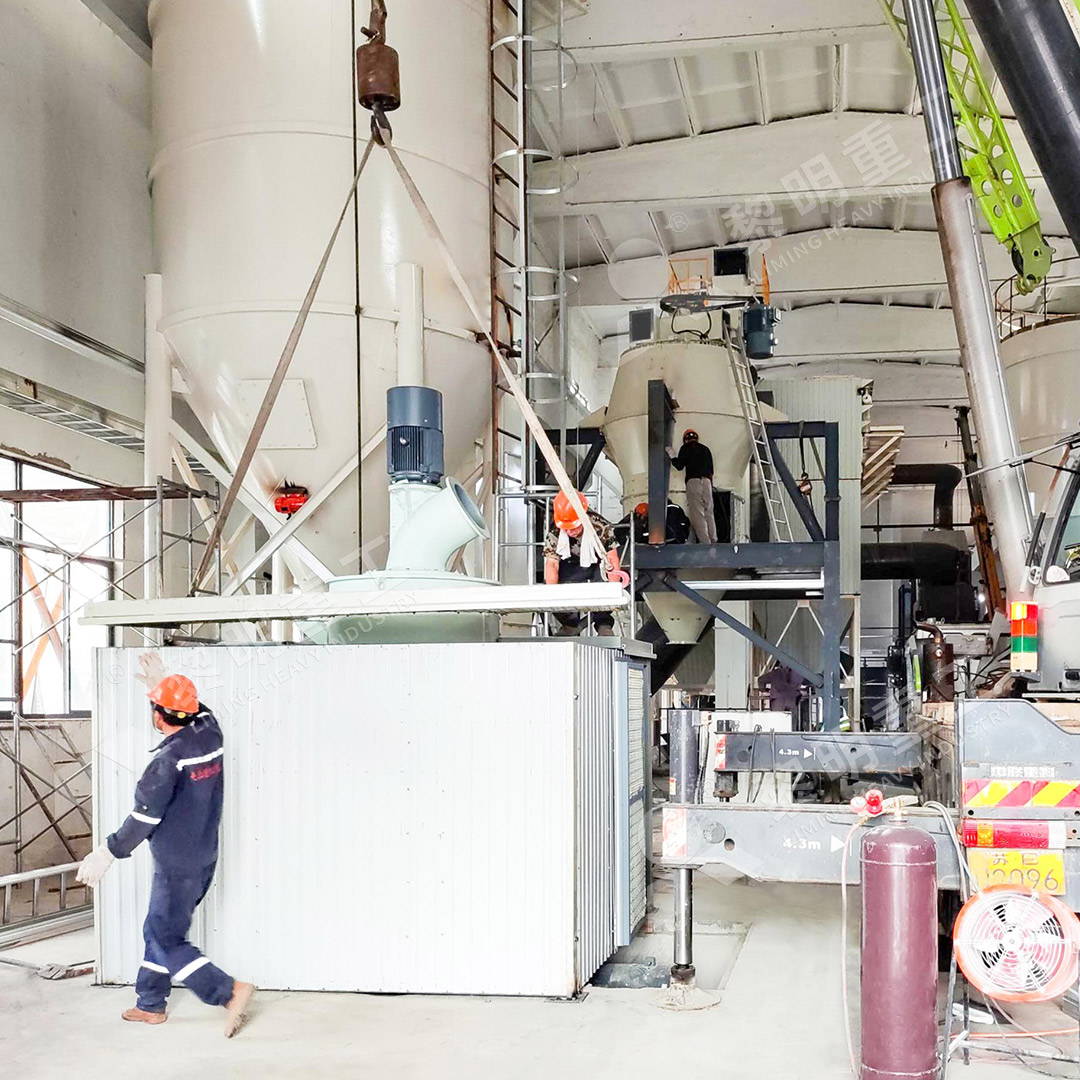
This is where considering complementary technology from leaders like LIMING becomes advantageous. For instance, our MW Ultrafine Grinding Mill is an ideal companion. Designed to make ultra-fine powder from 0-20mm material at capacities between 0.5-25 tph, it’s perfect for processing limestone, calcite, or slag into high-value products. It features higher yielding and lower energy consumption—40% higher capacity than jet mills—and produces powder with adjustable fineness between 325-2500 meshes. Its unique design with no rolling bearings or screws in the grinding chamber eliminates common failure points, ensuring worry-free operation alongside your main VRM.
Choosing the right manufacturer for a 50tph cement LM Vertical Roller Mill depends on specific priorities: whether it’s energy savings, operational redundancy, maintenance philosophy, or a complete system solution. The five companies listed above represent the pinnacle of technology and reliability in this field, each bringing a unique set of strengths to the grinding table.