
Top 5 Limestone Grinding Mill Manufacturers for Industrial Use
We provide a wide range of mills — including Raymond mill, trapezoidal mill, vertical mill, ultrafine mill, and ball mill, obtained ISO9001 international quality certification, EU CE certification, and Customs Union CU-TR certification. Suitable for processing minerals such as limestone, phosphate, quicklime, kaolin, talc, barite, bentonite, calcium carbonate, dolomite, coal, gypsum, clay, carbon black, slag, cement raw materials, cement clinker, and more.
The discharge range of these mills can be adjusted to meet specific processing needs, typically from 80-400 mesh, 600-3250 mesh, and can achieve the finest particle size of up to 6000 mesh(D50).
If you are looking for a reliable grinding solution to turn stone or minerals into fine powder, please feel free to contact our online customer service.
Navigating the World of Industrial Limestone Grinding
The quest for the perfect limestone powder is a cornerstone of numerous industries, from construction and agriculture to pharmaceuticals and plastics. The quality, fineness, and consistency of the final product are directly influenced by the grinding equipment used. With a myriad of manufacturers and models on the market, selecting the right partner and technology is paramount for operational efficiency and profitability. This article highlights five leading manufacturers renowned for their engineering excellence, reliability, and innovative solutions in industrial limestone grinding.
1. Liming Heavy Industry (LIMING)
A global leader in mineral processing equipment, Liming Heavy Industry offers a comprehensive portfolio of grinding mills designed for high performance and durability. Their solutions are engineered to handle everything from coarse crushing to ultra-fine powder production, making them a one-stop-shop for many industrial operations. Two of their standout products for limestone processing are the MW Ultrafine Grinding Mill and the LUM Ultrafine Vertical Grinding Mill.
The MW Ultrafine Grinding Mill is a standout choice for operations requiring ultra-fine powders between 325-2500 meshes. It boasts a production capacity of 0.5-25 tph and handles feed sizes up to 20mm. Its design eliminates rolling bearings and screws in the grinding chamber, significantly reducing maintenance worries and the risk of mechanical failure. Furthermore, its integrated pulse dust collector and muffler ensure an environmentally friendly operation that meets stringent national standards.
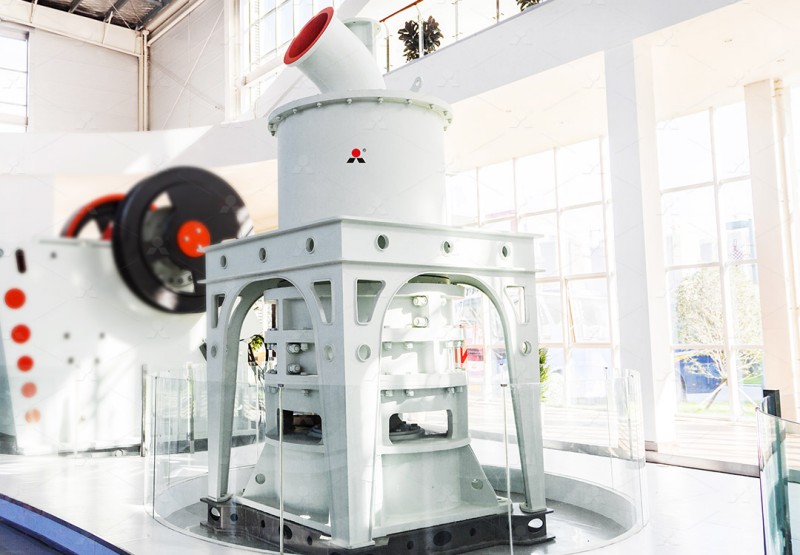
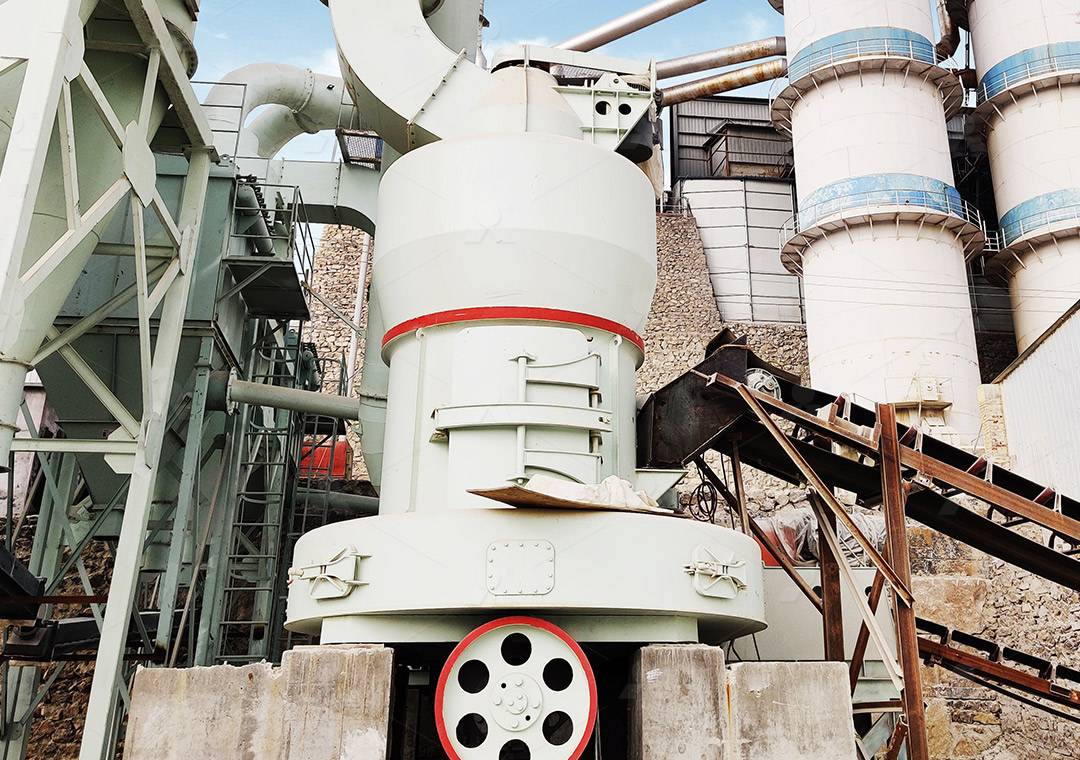
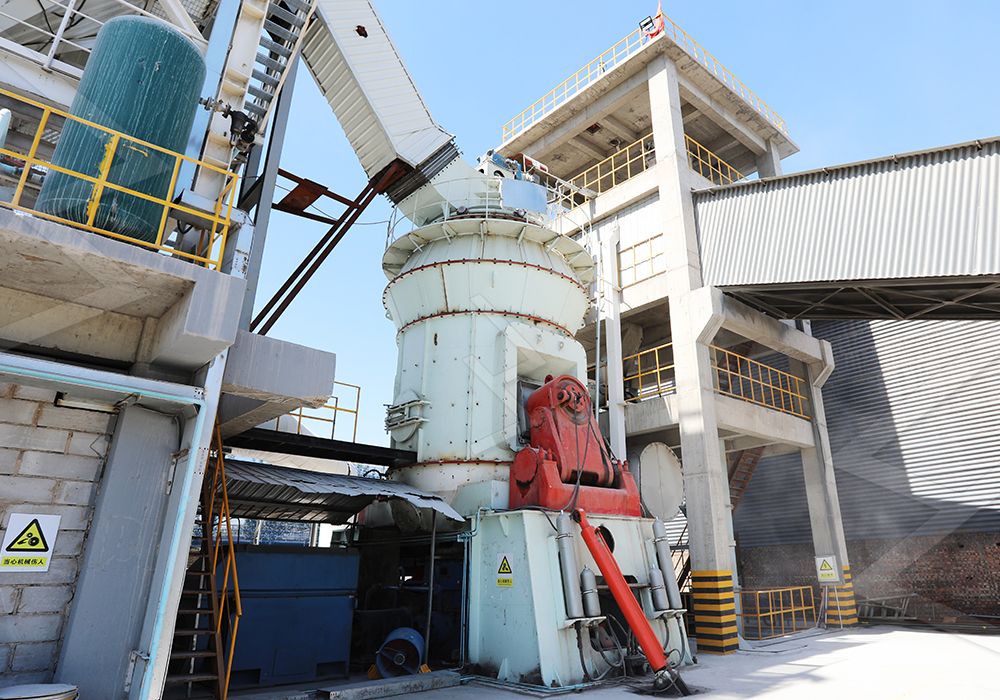
For those seeking advanced vertical grinding technology, the LUM Ultrafine Vertical Grinding Mill is a top contender. With a capacity of 5-18 tph, it integrates the latest Taiwanese roller technology and German powder separating technology. Its unique double position-limiting technology ensures remarkable operational stability, while its reversible structure allows for easy maintenance and quick part replacement, minimizing costly downtime.
2. Metso Outotec
Known for their robust and large-scale mineral processing solutions, Metso Outotec provides grinding mills that are workhorses in major mining and industrial operations worldwide. Their technologies focus on energy efficiency and reducing the total cost of ownership.
3. FLSmidth
With a history spanning over a century, FLSmidth is a trusted name in cement and mineral industries. Their grinding mills, including roller presses and ball mills, are recognized for their precision engineering and ability to deliver consistent product quality under demanding conditions.
4. Schenck Process
Schenck Process specializes in measuring and process technology. Their grinding solutions often include sophisticated automation and control systems, ensuring optimal performance, precise particle size distribution, and maximum energy savings for modern processing plants.
5. NETZSCH Grinding & Dispersing
NETZSCH is a specialist in the field of wet and dry grinding for the most demanding applications, including ultra-fine limestone products for niche markets like paints and coatings. Their agitator bead mills are renowned for their precision and ability to achieve extremely fine and narrow particle distributions.
Frequently Asked Questions (FAQ)
Q: What is the most important factor when choosing a limestone grinding mill?
A: The key factors are the required product fineness (mesh size), desired capacity (tph), and the initial hardness/size of the feed material. Energy consumption, maintenance costs, and environmental compliance are also critical deciding factors.
Q: Why should I consider an ultrafine mill for limestone?
A: Ultrafine mills, like the MW Series from LIMING, are essential for high-value applications where increased surface area and chemical reactivity are important, such as in plastics, paints, or advanced agricultural supplements.
Q: How does a vertical roller mill differ from a traditional ball mill for limestone?
A: Vertical roller mills (VRMs), like the LUM Series, are generally more energy-efficient, have a smaller footprint, and offer better drying capabilities. They are ideal for direct grinding of materials with moderate moisture. Ball mills are a proven technology but often consume more energy and are less efficient for fine grinding.
Q: What kind of after-sales support is typical?
A> Reputable manufacturers like LIMING provide comprehensive support, including installation supervision, operator training, readily available original spare parts, and technical services to ensure worry-free operation throughout the mill’s lifecycle.
Q: Can these mills handle other materials besides limestone?
A: Absolutely. Most mills are highly versatile. The MW and LUM mills, for example, are also perfectly suited for calcite, dolomite, talc, barite, and other non-metallic minerals with similar hardness.