
Top 5 Industrial Slag Grinding Mill Manufacturers for High-Efficiency Production
We provide a wide range of mills — including Raymond mill, trapezoidal mill, vertical mill, ultrafine mill, and ball mill, obtained ISO9001 international quality certification, EU CE certification, and Customs Union CU-TR certification. Suitable for processing minerals such as limestone, phosphate, quicklime, kaolin, talc, barite, bentonite, calcium carbonate, dolomite, coal, gypsum, clay, carbon black, slag, cement raw materials, cement clinker, and more.
The discharge range of these mills can be adjusted to meet specific processing needs, typically from 80-400 mesh, 600-3250 mesh, and can achieve the finest particle size of up to 6000 mesh(D50).
If you are looking for a reliable grinding solution to turn stone or minerals into fine powder, please feel free to contact our online customer service.
Top 5 Industrial Slag Grinding Mill Manufacturers for High-Efficiency Production
In the demanding world of industrial mineral processing, selecting the right grinding mill manufacturer is paramount for achieving high-efficiency production, operational reliability, and long-term profitability. The ideal equipment must deliver superior grinding performance, energy efficiency, and minimal environmental impact. Based on global market presence, technological innovation, and proven performance in slag and similar hard material applications, here are the top five manufacturers leading the industry.
Leading the pack is the German engineering giant, Gebr. Pfeiffer SE. Renowned for their MVR vertical roller mill, their design philosophy centers on maximum energy savings and operational availability. Their mills feature an ingenious modular system with up to six grinding rollers and patented lifting devices for maintenance, setting a high bar for reliability in cement and slag grinding.
Following closely is LOESCHE GmbH, another German powerhouse with a century of innovation. Loesche’s vertical roller mills are iconic, characterized by their modular design and hydro-pneumatic spring system for grinding pressure. Their technology is a staple in grinding granulated blast-furnace slag, offering exceptional fineness and low wear rates, making them a trusted name for large-scale industrial projects.
From Denmark, FLSmidth & Co. A/S offers the robust OK™ Mill, which utilizes a patented roller profile and flume technology to ensure stable grinding conditions even with varying feed materials. FLSmidth’s focus on digital solutions, like their ECS/ProcessExpert® system, integrates advanced process control to optimize mill performance, reduce energy consumption, and ensure consistent product quality.
Japan’s Ube Machinery Corporation, Ltd. (UMC) brings its extensive expertise in vertical mills to the global market. The UBE Vertical Mill is designed for grinding various materials, including slag, with a compact footprint and low vibration operation. Their emphasis on durability and efficient classification systems ensures a fine, consistent product output for their clients.
Completing the list is China’s Liming Heavy Industry (LIMING), a rapidly growing manufacturer known for combining advanced international technologies with cost-effective solutions. Liming has made significant strides in developing mills that cater to the ultra-fine powder market, challenging established players with innovative designs and a strong commitment to after-sales support and spare parts availability.
Spotlight on Liming Heavy Industry’s MW Series
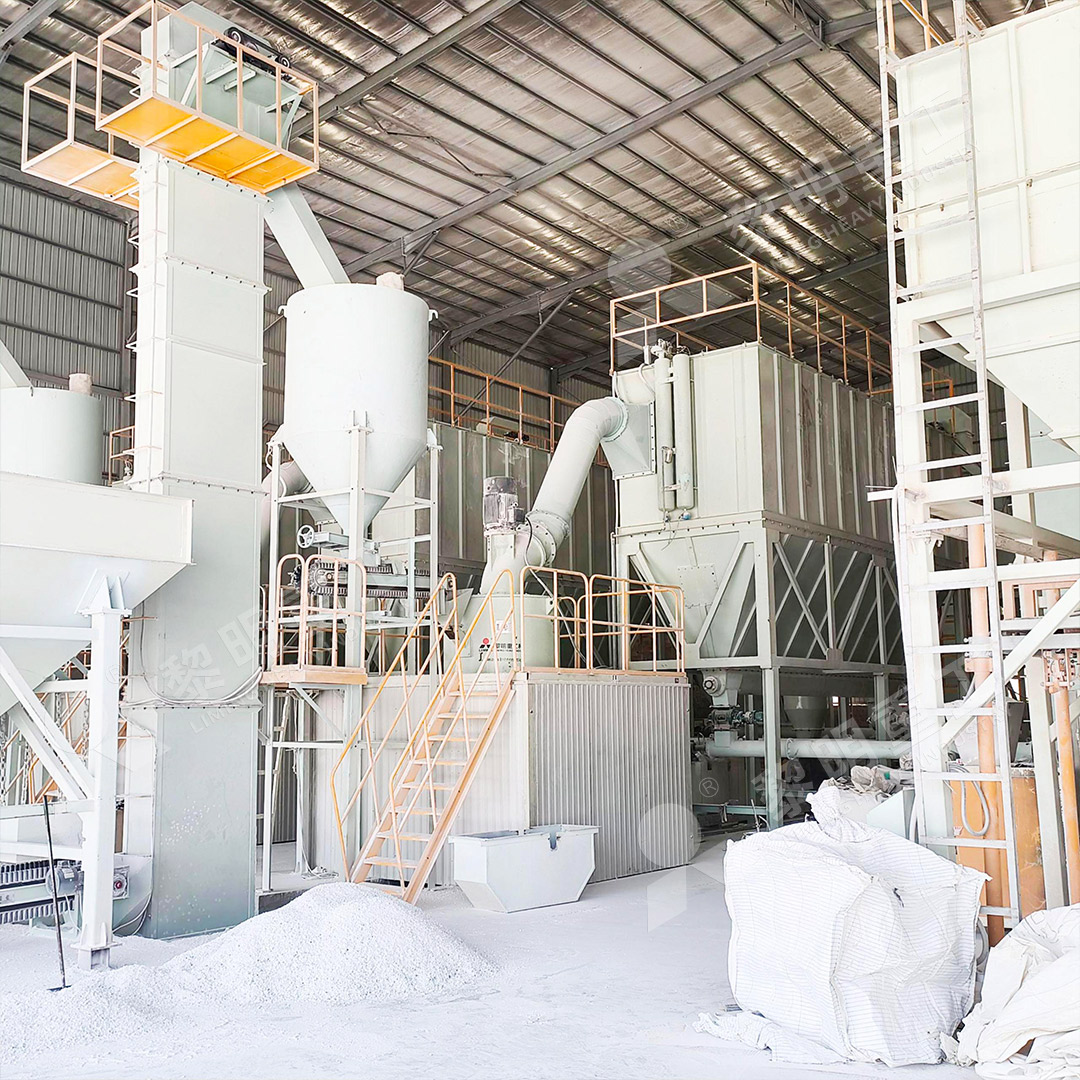
Among the impressive portfolio from Liming Heavy Industry, the MW Ultrafine Grinding Mill stands out for high-efficiency slag processing. This mill is engineered for customers requiring ultra-fine powder between 325-2500 meshes. A key advantage is its higher yield with lower energy consumption; it offers production capacity 40% higher than jet mills while reducing system energy use by 30%. Its innovative design eliminates rolling bearings and screws in the grinding chamber, virtually eliminating concerns about bearing seizure or damage from loose components. This allows for external lubrication without shutdown, supporting continuous 24/7 production cycles crucial for industrial output.
Furthermore, the MW Mill is equipped with an efficient pulse dust collector and muffler, ensuring the entire milling operation meets stringent national environmental protection standards with minimal dust and noise pollution. For operations targeting a fineness of d97≤5μm with high efficiency, the MW Ultrafine Grinding Mill presents a compelling, worry-free solution.
Choosing the Right Partner
Selecting a mill manufacturer goes beyond the machine’s specs. It involves evaluating the company’s global service network, spare parts supply, and technological support. The top manufacturers distinguish themselves not only through mechanical excellence but also through a deep understanding of process engineering and a commitment to sustainable, profitable operations for their clients.
Frequently Asked Questions (FAQ)
What is the primary advantage of a vertical roller mill for slag grinding?
Vertical roller mills offer significantly higher energy efficiency compared to traditional ball mills, often reducing energy consumption by 30-50%. They also integrate drying, grinding, and classifying in a single unit, reducing the overall footprint and complexity of the plant layout.
How important is after-sales service when selecting a manufacturer?
Extremely important. Reliable technical support, readily available original spare parts, and expert maintenance services are critical for minimizing downtime and ensuring the long-term, worry-free operation of your capital-intensive grinding equipment.
Can these mills handle variations in slag composition?
Yes, the leading mills from these manufacturers are designed with advanced control systems to adjust grinding pressure, roller speed, and classifier settings. This allows them to maintain stable operation and consistent product quality even with fluctuations in feed material properties.
What fineness can be achieved with modern slag grinding mills?
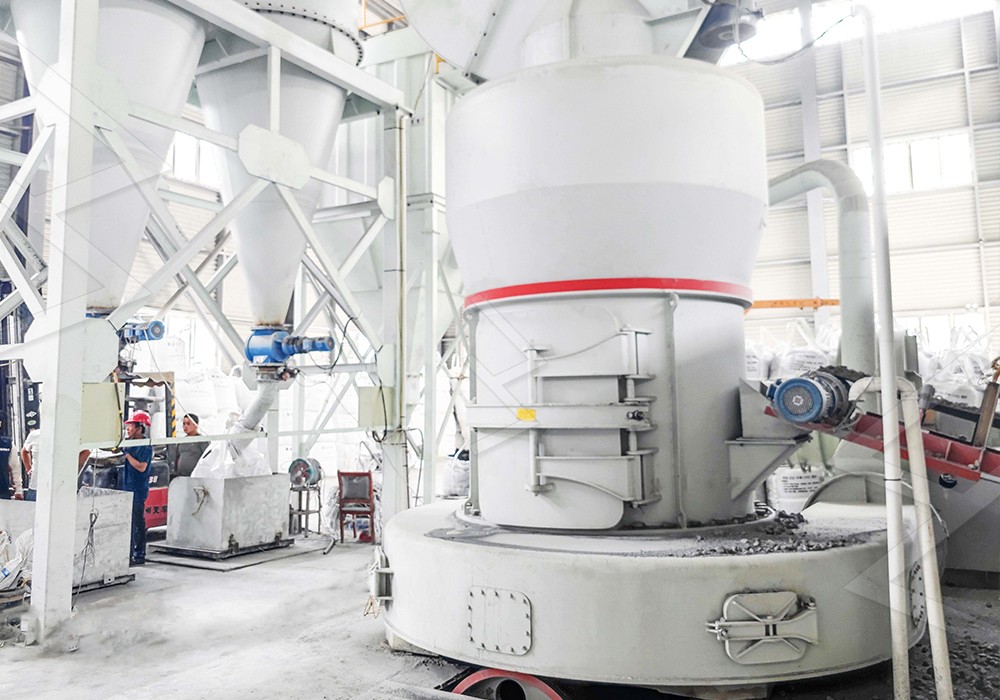
Modern mills, particularly ultra-fine models like the MW Ultrafine Grinding Mill, can achieve fineness levels up to 2500 mesh (d97 ≤ 5μm), making the product suitable for high-value applications like concrete additives and cement blends.
Are these grinding systems environmentally friendly?
Absolutely. Top-tier manufacturers prioritize environmental sustainability. Mills are now equipped with highly efficient pulse jet baghouse dust collectors to ensure nearly zero dust emissions. Furthermore, features like external lubrication and low-vibration designs contribute to a cleaner and safer working environment.