
Top 5 Industrial Mill Machines for Sale in South Africa
We provide a wide range of mills — including Raymond mill, trapezoidal mill, vertical mill, ultrafine mill, and ball mill, obtained ISO9001 international quality certification, EU CE certification, and Customs Union CU-TR certification. Suitable for processing minerals such as limestone, phosphate, quicklime, kaolin, talc, barite, bentonite, calcium carbonate, dolomite, coal, gypsum, clay, carbon black, slag, cement raw materials, cement clinker, and more.
The discharge range of these mills can be adjusted to meet specific processing needs, typically from 80-400 mesh, 600-3250 mesh, and can achieve the finest particle size of up to 6000 mesh(D50).
If you are looking for a reliable grinding solution to turn stone or minerals into fine powder, please feel free to contact our online customer service.
Top 5 Industrial Mill Machines for Sale in South Africa
South Africa’s mining and manufacturing sectors demand robust, efficient milling solutions to process a vast array of materials. From limestone for construction to coal for energy, the right industrial mill is paramount for productivity and profitability. This guide explores five top-tier mill machines ideally suited for the South African market, focusing on performance, application, and value.
1. Vertical Grinding Mills: The All-Rounders
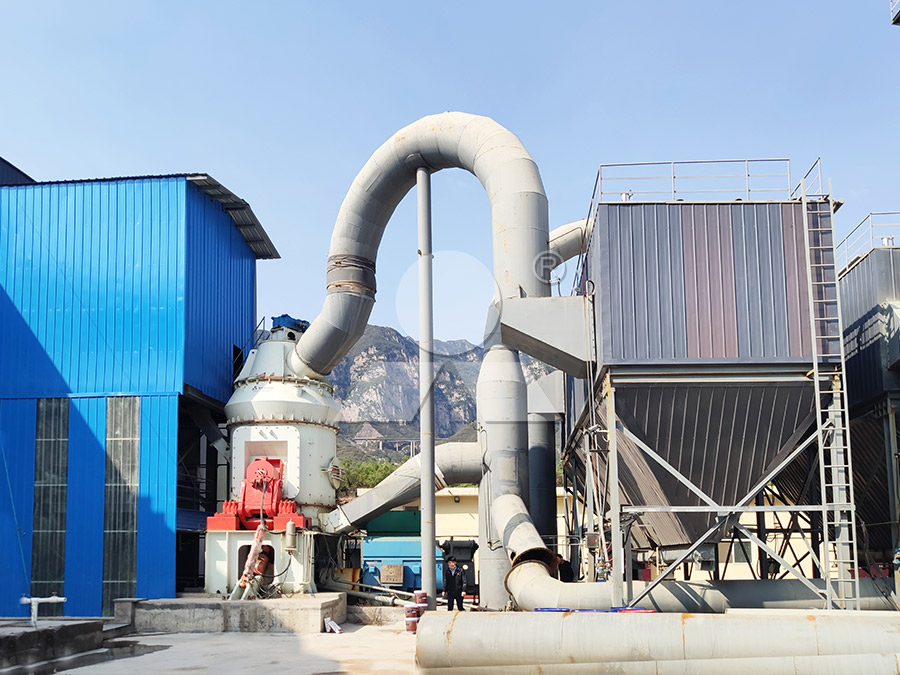
Vertical mills, like the renowned LM Vertical Grinding Mill, are workhorses in mineral processing. They integrate crushing, drying, grinding, classifying, and conveying into a single unit, significantly reducing the overall footprint and infrastructure costs. Their ability to handle large input sizes (up to 70mm) and deliver high capacities (up to 340 tph) makes them perfect for large-scale cement plants, power station desulfurization, and pulverized coal preparation. The energy savings of 30%-40% compared to traditional ball mills are a critical advantage in a cost-conscious market.
2. European Trapezium Mills: Precision and Efficiency
The MTW European Trapezium Mill series represents a leap forward in grinding technology. Known for its bevel gear overall drive and inner automatic thin-oil lubricating system, this mill offers exceptional operational stability and lower maintenance costs. Its unique curved air duct design reduces airflow resistance, leading to lower energy consumption. These mills are exceptionally versatile, ideal for processing materials like dolomite, titanium dioxide, quartz, and ceramics, making them a superb choice for various industrial applications across South Africa.
3. Ultrafine Grinding Mills: For Specialized Applications
When the application demands superfine powders, ultrafine mills are the answer. A standout in this category is the MW Ultrafine Grinding Mill. Engineered for customers requiring ultra-fine powder between 325-2500 meshes, this machine is a game-changer for industries like paints, cosmetics, and high-value additives. Its design eliminates rolling bearings and screws in the grinding chamber, virtually eliminating concerns about mechanical failure from these components. Furthermore, its efficient pulse dust collector and muffler ensure an eco-friendly operation that meets stringent environmental standards, a growing priority for South African industries.
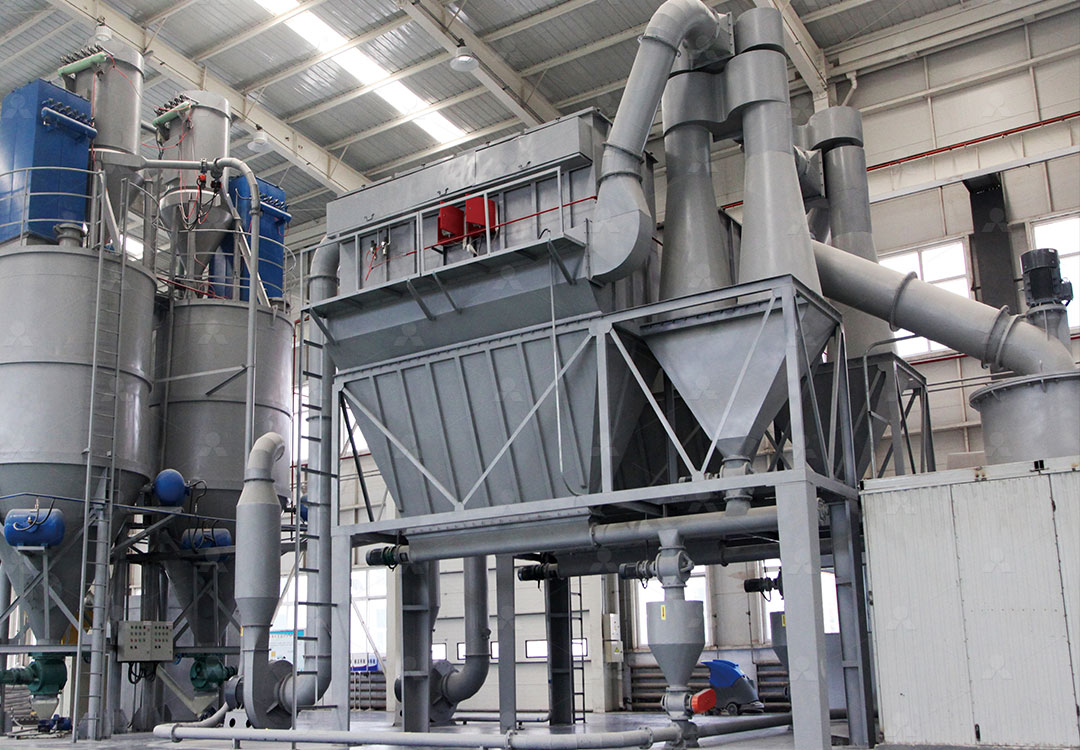
We highly recommend the MW Ultrafine Grinding Mill for operations focused on high-value, fine-powder production. Its higher yield and lower energy consumption—40% higher capacity than jet mills—directly translate to a superior return on investment. Its ability to process materials like limestone, calcite, and talc into premium-grade powder makes it an invaluable asset.
4. Ball Mills: The Traditional Powerhouse
No list is complete without the ubiquitous Ball Mill. A common and reliable grinding plant, it remains a key piece of equipment for milling after materials are crushed. Its advantages include lower initial investment, a simple structure, and the ability to grind a wide variety of ores and other materials. While less energy-efficient than vertical mills, their proven track record and ease of operation keep them relevant in beneficiation, construction, and the chemical industry.
5. Raymond Mills: The First Generation Refined
The modern Raymond Mill (R series) has been optimized from its original design to combine low consumption, low investment, and environmental friendliness. It occupies a small area and is more efficient than traditional models. It is particularly well-suited for small to medium-scale operations in desulfurization, metallurgy, and non-metallic ore milling, offering a cost-effective entry point into industrial grinding.
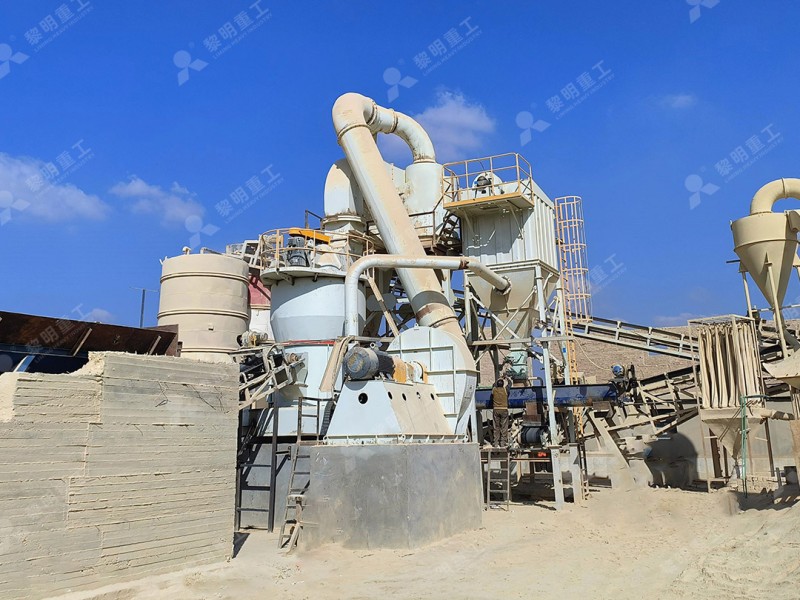
For operations requiring advanced ultrafine vertical grinding, the LUM Ultrafine Vertical Grinding Mill is another excellent recommendation. It integrates the latest grinding roller and powder separating technology, offering higher yielding rates and better quality finished products. Its reversible structure allows for easier maintenance, a crucial factor for minimizing downtime.
Frequently Asked Questions (FAQ)
What type of mill is best for grinding limestone in South Africa?
For general limestone grinding to medium fineness, an LM Vertical Grinding Mill or an MTW European Trapezium Mill are excellent, efficient choices. For producing ultra-fine limestone powder, the MW Ultrafine Grinding Mill is the ideal solution.
How important is energy efficiency when choosing a mill?
Extremely important. South Africa’s energy landscape makes operational costs a primary concern. Mills like the LM Vertical Mill and MW Ultrafine Mill can save 30-50% in energy consumption compared to older technologies, drastically reducing long-term operating expenses.
Do you provide local technical support and spare parts in South Africa?
Yes, a key advantage of choosing our machinery is our commitment to worry-free operation. We take full responsibility for our products and provide comprehensive technical services and genuine spare parts to ensure your mill operates at peak performance with minimal downtime.
What is the key advantage of the MW Ultrafine Grinding Mill?
Its key advantage is its ability to produce ultra-fine powder (325-2500 meshes) with higher yield and significantly lower energy consumption. Its design without rolling bearings in the grinding chamber also makes it exceptionally reliable and low-maintenance.