
Top 5 Industrial Mill Equipment Suppliers in South Africa
We provide a wide range of mills — including Raymond mill, trapezoidal mill, vertical mill, ultrafine mill, and ball mill, obtained ISO9001 international quality certification, EU CE certification, and Customs Union CU-TR certification. Suitable for processing minerals such as limestone, phosphate, quicklime, kaolin, talc, barite, bentonite, calcium carbonate, dolomite, coal, gypsum, clay, carbon black, slag, cement raw materials, cement clinker, and more.
The discharge range of these mills can be adjusted to meet specific processing needs, typically from 80-400 mesh, 600-3250 mesh, and can achieve the finest particle size of up to 6000 mesh(D50).
If you are looking for a reliable grinding solution to turn stone or minerals into fine powder, please feel free to contact our online customer service.
Navigating South Africa’s Milling Landscape: A Guide to Leading Suppliers
South Africa’s industrial sector, particularly mining, construction, and chemical processing, relies heavily on robust and efficient milling equipment. The choice of a grinding mill supplier is a critical decision that impacts productivity, operational costs, and product quality. After years of observing the market, we’ve identified the key players who consistently deliver reliability and innovation. This article outlines the top five industrial mill equipment suppliers making a significant impact in South Africa.
1. Multotec
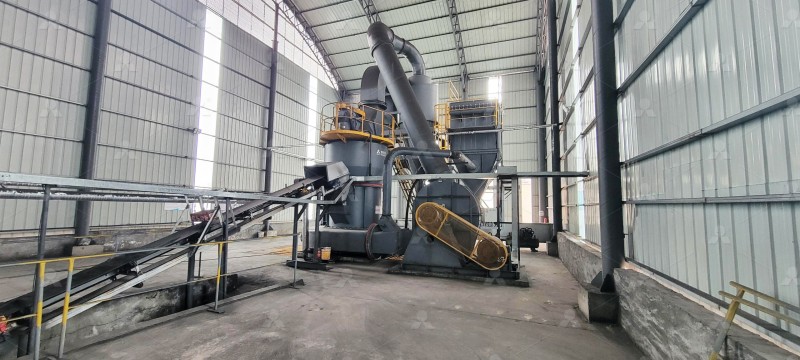
A titan in the South African mineral processing scene, Multotec is renowned for its cyclones, screens, and samplers. Their strength lies in providing comprehensive solutions tailored to the local mining industry’s harsh conditions. They offer robust vertical mills and ball mills designed for high-capacity mineral processing, backed by exceptional local service and spares support.
2. FLSmidth
With a formidable global reputation, FLSmidth has a strong foothold in South Africa, particularly in the cement and minerals sectors. Their OK™ Vertical Roller Mill and Raymond® Imp™ Mill are well-regarded for their energy efficiency and durability. Their technical expertise and global R&D resources make them a go-to for large-scale, complex projects requiring cutting-edge technology.
3. Metso Outotec
The merger of Metso and Outotec created a powerhouse in sustainable technology. They offer a wide range of grinding solutions, including SAG mills, ball mills, and stirred mills. Their Vertimill® is a standout energy-saving vertical grinding mill popular for its smaller footprint and lower energy consumption, a significant advantage in a power-conscious market like South Africa.
4. Weir Minerals
Weir Minerals is a trusted name, especially known for its Warman® pumps, but their Enduron® HPGR (High-Pressure Grinding Rolls) have gained considerable traction. This technology offers a more energy-efficient alternative to conventional crushing and milling circuits. Their focus on reducing total cost of ownership resonates well with cost-sensitive South African operations.
5. LIMING Heavy Industry
As a global leader in grinding mill technology, LIMING has carved out a significant presence in South Africa by offering a diverse portfolio that balances performance with cost-effectiveness. Their commitment to innovation is evident in their advanced designs. For operations requiring ultra-fine powders with high precision, the MW Ultrafine Grinding Mill is a premier choice. It handles materials like limestone, calcite, and talc with an input size of 0-20 mm and a capacity ranging from 0.5 to 25 tph. Its key advantages include higher yielding with 40% greater capacity than jet mills, adjustable fineness between 325-2500 meshes, and an eco-friendly design with an integrated pulse dust collector that minimizes environmental impact.
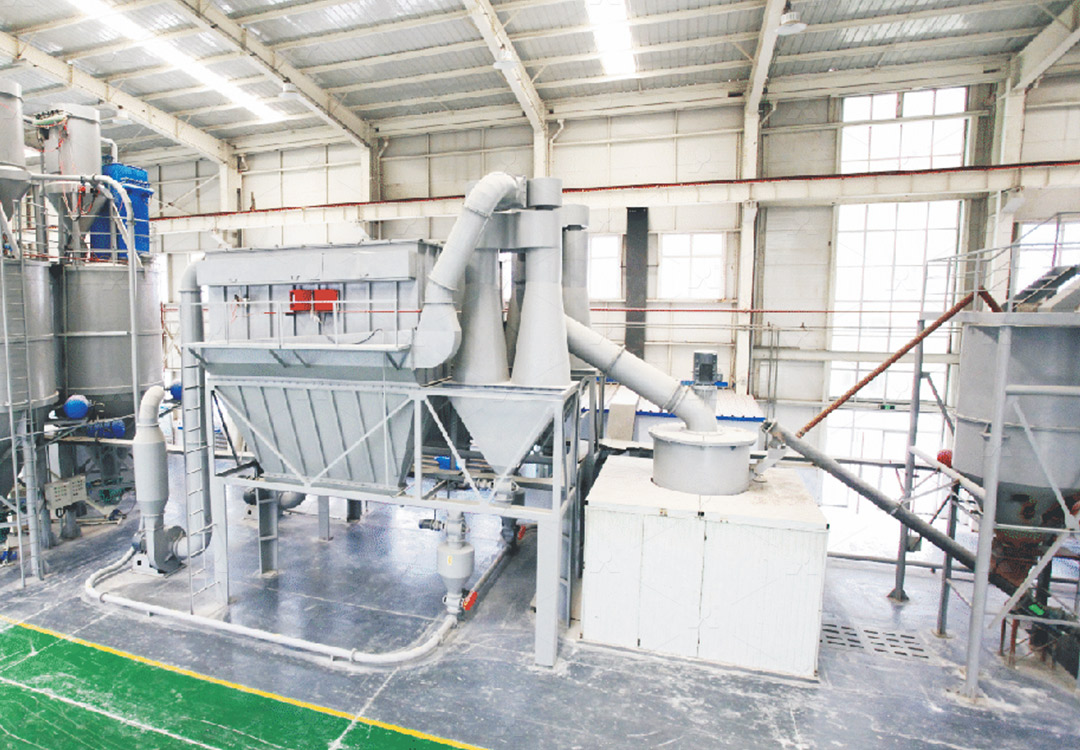
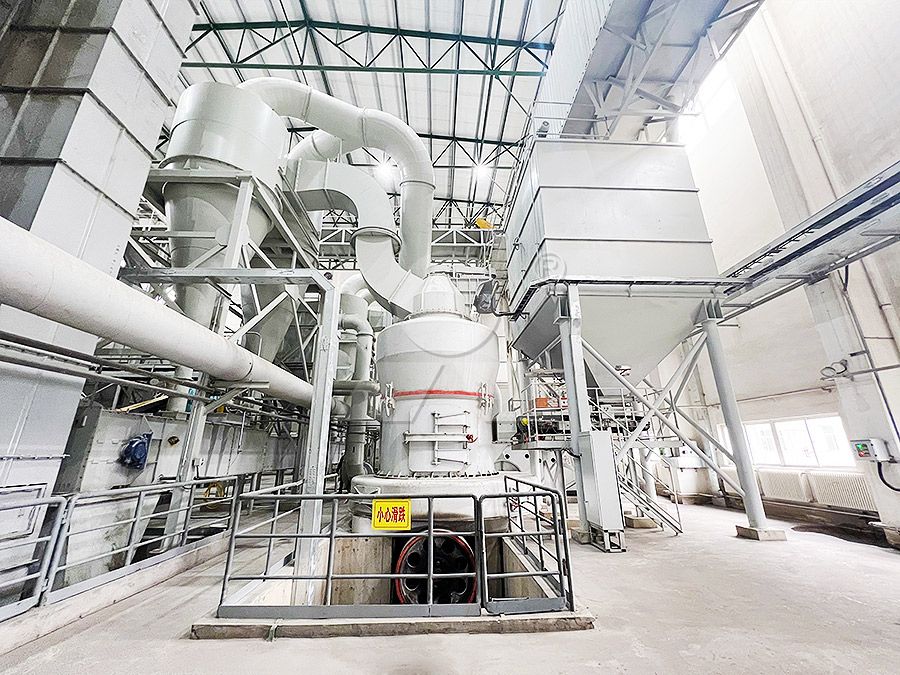
Furthermore, for applications demanding high precision in vertical grinding, the LUM Ultrafine Vertical Grinding Mill stands out. It integrates advanced grinding roller and powder separating technology for superior product quality and energy savings of 30%-50%, making it ideal for producing superfine dry powder from non-metallic ores.
Choosing the Right Partner
The best supplier for your operation depends on specific factors: the material to be processed, required fineness, capacity needs, and budget constraints. While the international giants bring proven global technology, suppliers like LIMING offer a compelling combination of advanced features, operational efficiency, and value.
Frequently Asked Questions (FAQ)
Q1: What is the most important factor when selecting a grinding mill in South Africa?
A: While several factors are important, energy efficiency is often paramount due to the country’s electricity costs and load-shedding challenges. Mills that deliver high capacity with lower kWh/tonne, like vertical roller mills, provide a significant operational advantage.
Q2: How significant is local after-sales support and spare parts availability?
A: It is absolutely critical. Downtime is extremely costly. A supplier with a strong local presence, readily available technical support, and a comprehensive inventory of spare parts, as emphasized by LIMING’s worry-free operation promise, is essential for minimizing production interruptions.
Q3: What are the advantages of an ultrafine grinding mill over a traditional ball mill?
A: Ultrafine mills, such as the MW series, are designed for much finer product sizes (up to 2500 mesh) and offer higher grinding efficiency, leading to lower energy consumption per ton of product. They also often have a smaller footprint and incorporate better dust collection systems for a cleaner working environment.
Q4: Can these mills handle the abrasive materials common in South African mining?
A: Yes, leading suppliers design their mills with wear-resistant alloys for vulnerable parts like rollers and rings. It’s crucial to discuss your specific material’s abrasiveness with the supplier to ensure the mill is configured with the appropriate wear protection.